In brief
The Houthi movement in Yemen announced an attack on two Saudi oil tankers, the Encelia and Layla, in the Red Sea. This claim comes as the United States intensified air operations against Iranian military targets, marking the 12th consecutive night of strikes. Iranian state media reported explosions and casualties in the Strait of Hormuz. The incident underscores the growing risk of maritime disruption, with the Houthi claim possibly the first major attack since their maritime embargo on Saudi shipping. The situation has escalated tensions between Iran and the U.S., while the Houthi’s blockade of the Bab al‑Mandab Strait threatens global shipping lanes.
Yemen’s Houthi fighters say they targeted two Saudi oil tankers, the Encelia and the Layla, in the Red Sea.
The claim follows the United States’ 12th consecutive night of strikes on Iran, after Iranian forces reportedly fired on commercial vessels in the Strait of Hormuz. Iranian state media cited two deaths and an explosion that ignited a tanker fire.
Houthi military spokesman Yahya Saree alleged the attack was a response to Saudi vessels violating a U.N.‑approved naval blockade. He promised continued naval operations to enforce the block.
The U.S. Central Command confirmed it launched air strikes to degrade Iran’s maritime and air‑defence assets, per instructions from President Donald Trump. Trump warned of retaliatory strikes on Iranian infrastructure if Iranian forces attacked ships.
British maritime agencies reported an unknown projectile struck the Encelia 130 km from Al Shuqaiq, Saudi Arabia. The attack caused a fire but no casualties. Vanguard, a risk‑management firm, also confirmed the hit.
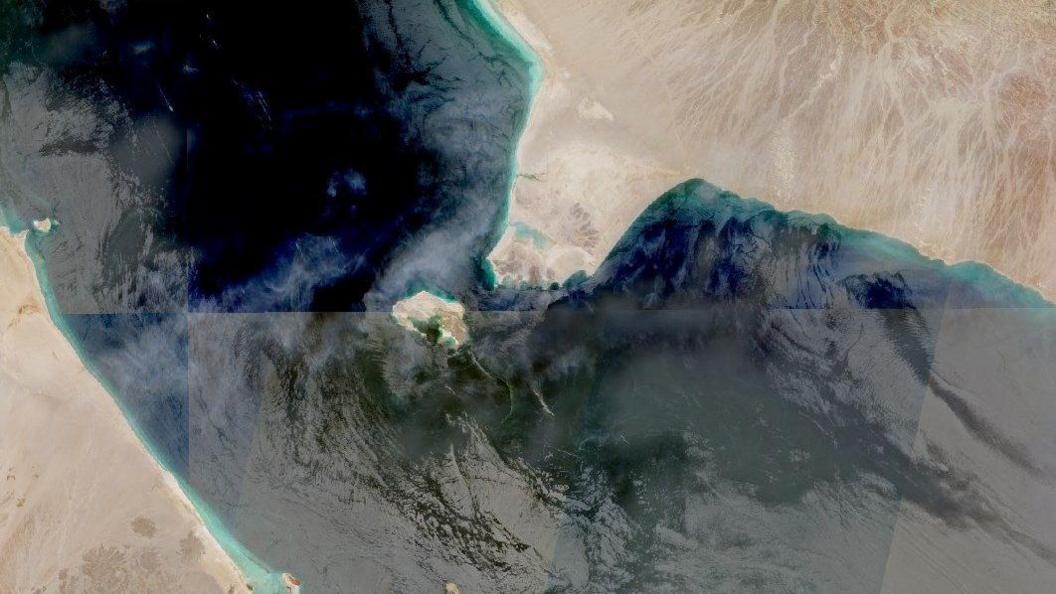
Earlier this week, the Houthis closed the Bab al‑Mandab Strait, a key gateway to the Red Sea, further restricting shipping lanes vital for Saudi exports, which has already boosted global fuel prices.
With peace talks stalled, the risk of wider conflict looms as maritime chokepoints become a battleground between regional powers and the U.S., adding an urgent layer to global supply chains.