In brief
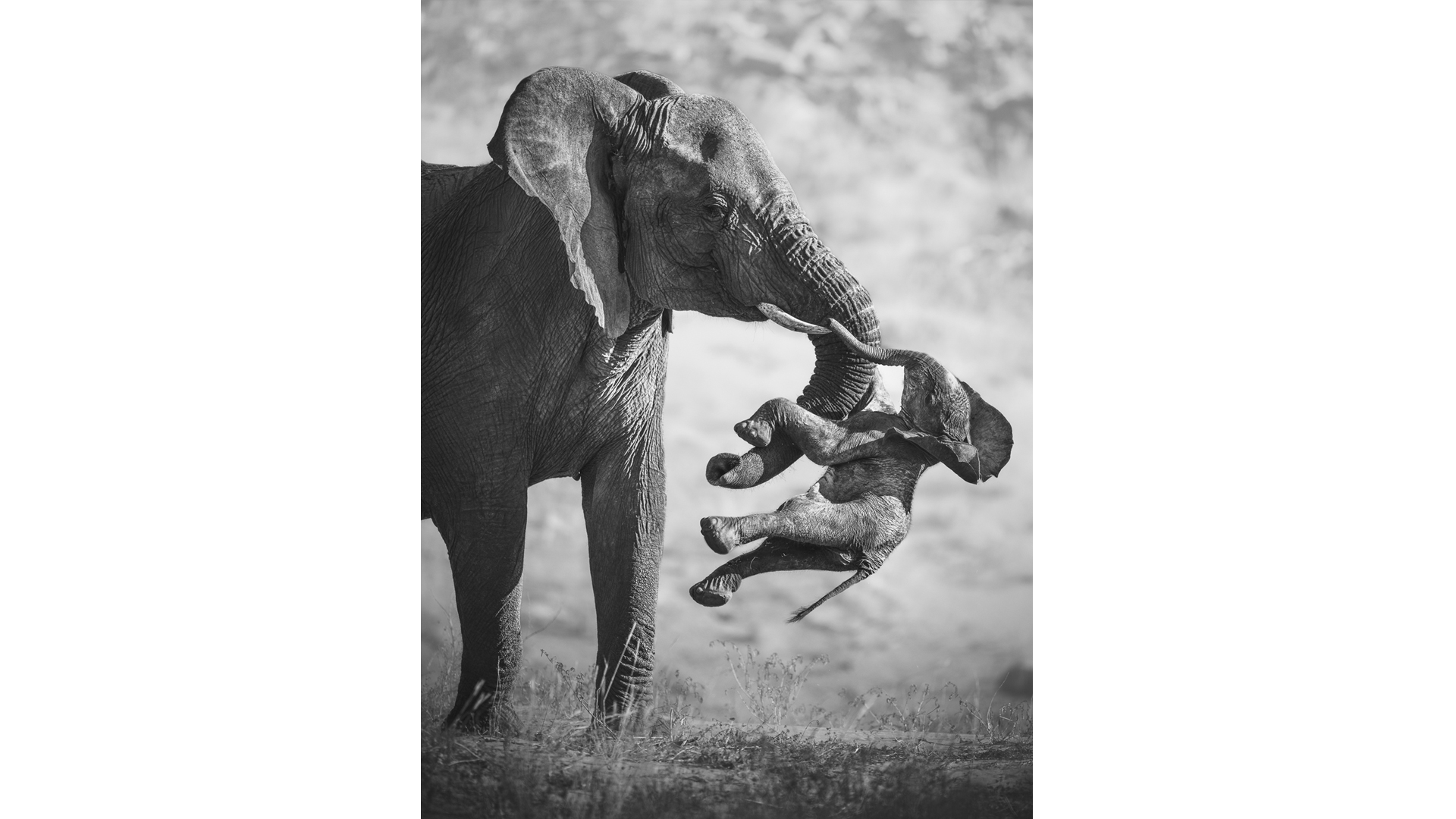
Federico Veronesi’s stark black‑and‑white photograph of an adult elephant lifting a dead calf won the top prize at the Wildlife Photographer of the Year 2026 contest. The image, shot in Namibia’s Huab River Valley, reveals the depth of animal feelings and calls for greater empathy toward wildlife. Winners in other categories captured a dung beetle, a bumblebee, a young bull elephant, an octopus, and shoebill storks, showcasing the contest’s global diversity. The exhibition will open at the Natural History Museum on 16 October, where the full collection of winning images is on display.
This week the prestigious Wildlife Photographer of the Year 2026 contest announced its winners, and the top prize went to Italian photographer Federico Veronesi for a stark, black‑and‑white image of an adult elephant lifting the body of a dead calf on a dry riverbed in Namibia’s Huab River Valley.
Veronesi found the scene after following a trail of drag marks across the sand, and later confirmed with local researchers that the elephant had been a mother who had lost a calf several years before. He says the photograph shows the depth of emotions that animals can experience and hopes it will remind people that wildlife are complex individuals with memories and feelings.
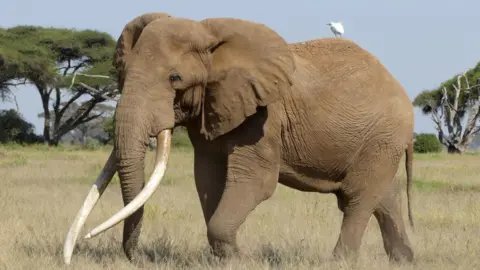
Other winners illustrated the breadth of the competition. Young photographer Oscar Whitfield from Zimbabwe captured a dung beetle carrying a ball of dung at Zambezi National Park; 12‑year‑old Amelie Davis of the UK photographed a single wingbeat of a bumblebee in Surrey; 21‑year‑old James Lewin from the UK showed a young bull elephant spraying zebras near a waterhole in Kenya; 16‑year‑old Aaron Sanders captured an octopus eye in Cornwall’s kelp beds; and South African Isak Pretorius photographed shoebill storks at Uganda’s Mabamba Swamp.
The exhibition of the winning entries will open at the Natural History Museum on Friday 16 October. The exhibition promises a chance to see the full range of images that captured the world’s wildlife in 2026.