In brief
The proposal for Hamas to dismantle its armed forces in exchange for Israeli withdrawal from occupied Gaza corners has been presented by UK and US diplomats. The plan is encased in a web of political mistrust, war‑torn infrastructure and the looming Israeli elections, making its implementation uncertain. While many Palestinians see a chance to rebuild life amid rubble, critics argue the deal falls short of addressing the root causes of the conflict and the lack of a Palestinian political horizon.
The idea that Hamas could surrender its weapons, while Israel pulls back from 70% of Gaza, offers a rare glimmer against a bleak backdrop of war crimes, mass displacement and ongoing death tolls. Yet the path to a workable deal is riddled with trust breaks, deep‑seated mistrust among leaders, and the fragile realities of two sides still mired in conflict.
Hamas has historically denied any move toward disarmament; only in the weeks after the US‑flavoured “Board of Peace” proposal did its leadership signal willingness, with Egyptian and Turkish intermediaries shepherding the talks. The back‑stop condition remains the Israeli withdrawal – a concession that Israeli officials and most of the Jewish electorate demand a full, unconditional disarmament first.
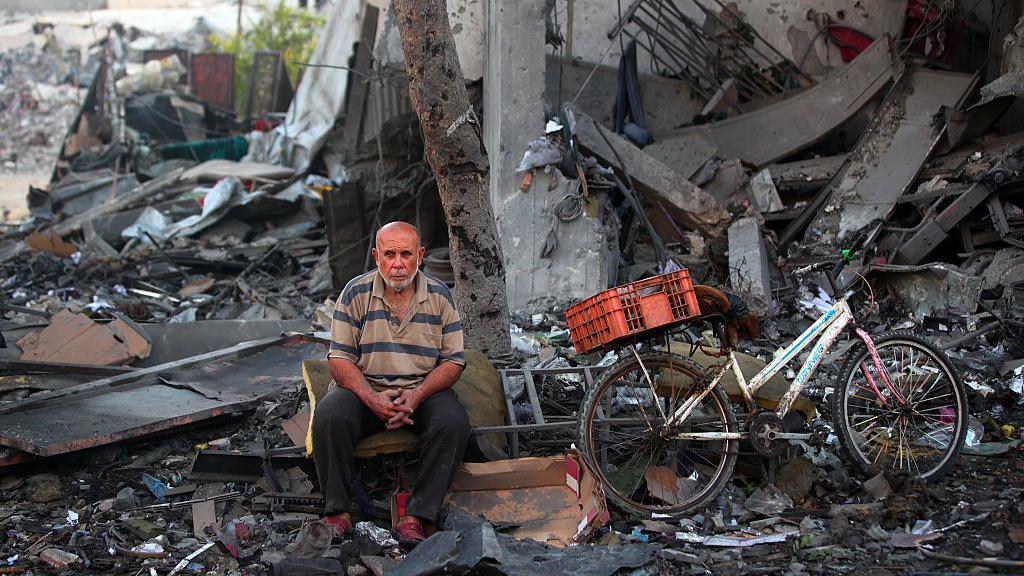
Meanwhile, Gaza’s residents endure relentless destruction: 70% of homes are now rubble, i‑lert casualties—incl. 20,000 children—have surged, and human‑itarian corridors have been cut by both combat strikes and bulk demolition operations. The length and intensity of the siege, the looming Israeli general election, and the pressure from the US mid‑term electoral calendar add layers of volatility to any negotiation.
Israeli Prime Minister Benjamin Netanyahu faces an electoral crisis; a loss could trigger his long‑running corruption trials, while a win may enable a bold re‑assertion of power. US President Donald Trump seeks a hawkish foreign policy that could shift focus if the Gaza ceasefire stalls or fails, straining his own campaign in a country still dealing with Iran’s influence.
The embargo on a Palestinian state outlook further muddies prospects. Settler violence in the West Bank, a surge in ethnic cleansing allegations, and the strategic moves of social‑political leaders paint a bleak picture of an enduring conflict that can only shift if the international community offers secure guarantees of civilian protection and the political pathway for Palestinians.
For the plan to survive, a step‑by‑step approach—small trust‑building actions, transparent monitoring of weapons disarmament, and gradually scaling Israeli withdrawals—is essential. The next actions, whether at Washington or in Tel Aviv, could either cement a new chapter of peace or extend the cycle of violence that has plagued Gaza for decades.