In brief
For the first time in 12 years of Prime Minister Narendra Modi’s rule, a cabinet minister stepped down after a year‑long nationwide protest. Youth activists in Delhi and other cities used Instagram reels, sit‑ins and public chants to demand changes to the NEET exam system, triggering police crackdowns that ultimately backfired. The resignation of Dharmendra Pradhan has become a sign that the government may now be vulnerable to mass mobilization, but fear of a “witch hunt” remains as authorities prosecute protest leaders. The movement highlights India’s growing political consciousness among the country’s 90‑million 15‑to‑29‑year‑olds.
Protest Milestone: Pradhan Resigns
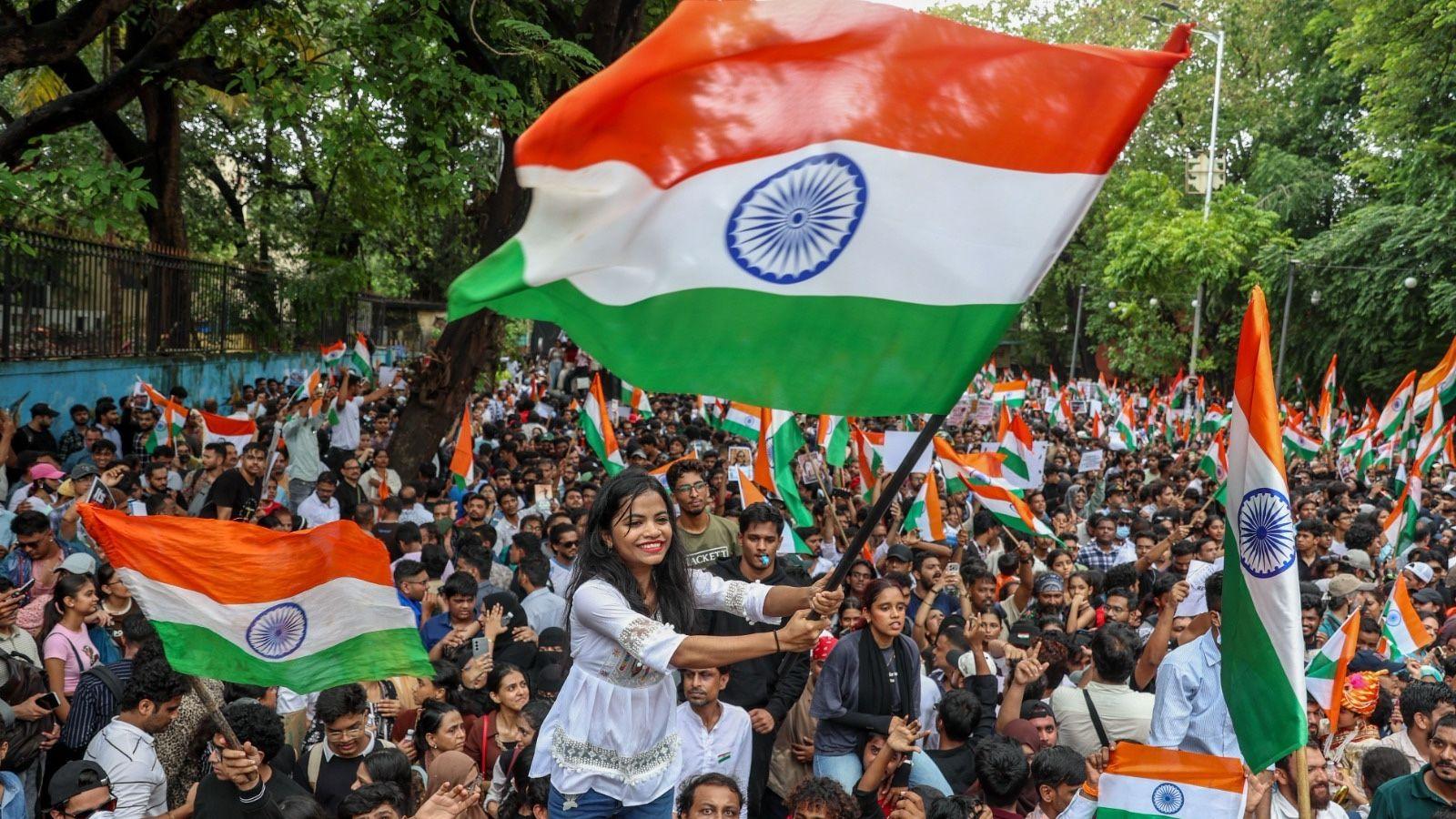
After 12 years of Narendra Modi’s rule, only one cabinet minister had ever resigned – the case of sexual misconduct. Now, after a week of street pressure, Education Minister Dharmendra Pradhan chose to step down, a moment that 22‑year‑old activist Sakhi describes as “the first time we can make things happen through protests”.
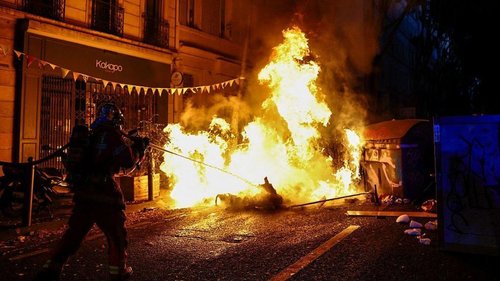
The resignation followed a sharp police response to a protest in Delhi where activist Sonam Wangchuk was forcibly removed and hospitalised while hunger‑striking. Violent police tactics – baton charges, tear gas and pellet guns – were recorded on social media and amplified, turning the crackdown into a rallying point.
Across the country, students streamed videos of officers threatening them with fake drug cases and detaining them in police vans. An 18‑year‑old videographer, Harshvardhan Kadam, filmed one such incident on the Mumbai protest March 23, and the reel has been viewed 10 million times, leading to the constable’s suspension.
Social Media as the New Frontline
Sakhi’s Instagram account was a data‑hoard for images and footage of police force and protester defiance. Her reels, with millions of views, served to bypass mainstream media and inked a new narrative of youth dissent. The government’s acknowledgment of Pradhan’s exit shows that “resignations do not happen in our government” was no longer a safe phrase in an era where the youth speak on hashtag platforms.
The Root of the Protests: NEET Paper Leak
The catalyst for the recent wave was the NEET exam scandal – rumors of a leaked question paper forced almost two million students to retake the exam. The fallout saw more than 20 students commit suicide, the families holding the administration accountable. The “Cockroach Janta Party” sat‑in in Delhi amplified the agitation, demanding Pradhan’s resignation, education reforms and compensation for bereaved families.
Nationwide Echoes and Government Response
From Mumbai to Patna, the protest sentiment grew stronger. Varuni Poorva, an aspiring professor from Patna, has been a student activist for a decade and now fears a “witch hunt” after the crackdown. Police have charged over 100 protesters with serious offences, including attempted murder, and have arrested more than 40.
Human Rights Watch notes that under Modi authorities routinely prosecute activists, journalists and peaceful protesters on fabricated counter‑terrorism and hate‑speech laws, raising concerns about the future of civic activism in India.
Despite those concerns, the youth have found a changed political climate: the bold chants at protest sites above now read “Pradhan was just an example. It’s Modi’s turn next”. The movement signals that the government may respond to mass action in ways it has never before had to: by stepping back or confronting the protesters openly.