In brief
Following the catastrophic impact of Hurricane Rafael, which brought winds reaching up to 185 km/h (115 mph) and caused a countrywide blackout, officials in Cuba are now focused on power restoration efforts. President Miguel Díaz-Canel announced that the nation's electricity system has suffered severe disruptions, the second major failure in just a few weeks due to adverse weather.
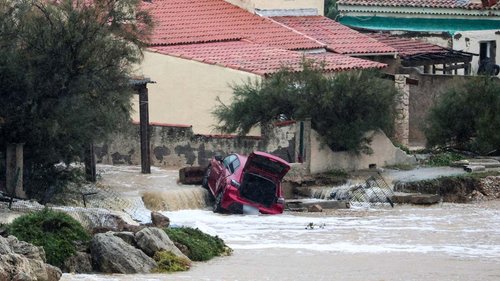
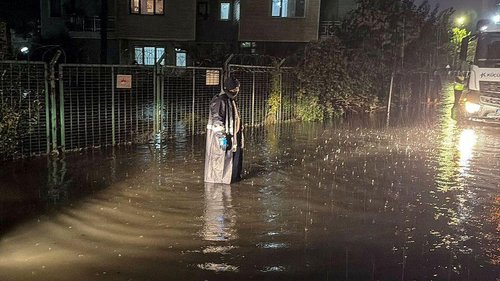
Ahead of the storm, authorities evacuated approximately 70,000 residents amid fears of storm surges, flash flooding, and mudslides, but fortunately, there have been no reported fatalities. President Díaz-Canel highlighted that the provinces of Artemisa and Mayabeque, along with the capital, Havana, experienced the brunt of the hurricane's destructive force. He stated, “Every step from this point forward is geared towards recovery. Together we will do it."Widespread flooding and property damage were reported throughout western Cuba, leaving a significant portion of the 10 million population without power. As residents in Havana began the clean-up on Thursday, they utilized shovels, brooms, and buckets to remove debris and assess the damage. Electricity pylons littered major roads, and community members dealt with the aftermath by clearing fallen branches and wreckage from their homes.Local resident Elias Perez expressed the challenge of living without electricity, stating, "If you don't have gas, you have to improvise with coal." He shared that he and his wife managed with coal for cooking, highlighting the resilience and adaptation required during such crises. This blackout follows a previous incident last month, where millions faced four days without power due to failures in Cuba's antiquated energy infrastructure during Hurricane Oscar, a less severe storm. Natalia Martinez from Artemisa noted the community's habits of persistence, saying, "We know how to survive; we're in the dark all the time, you know." The road to recovery for Cuba remains steep as the nation grapples with the impacts of another devastating hurricane and the ongoing challenges of its aging power system.