In brief
Police in Hong Kong raided two independent bookstores, arresting five people accused of selling books deemed "seditious" and inciting hatred against the government. The seized papers were taken by officers, and the suspects could be sentenced to up to seven years under the national security law. The raid follows earlier book store crackdowns and signals increased pressure on freedom of expression. Amnesty International warns that such arrests create a climate of intimidation and self‑censorship among writers and publishers.
Police raided two independent bookshops in the Mong Kok area of Hong Kong on Tuesday, arresting five people allegedly selling books that were deemed "seditious" and that could incite hatred against the territory’s government, judiciary and law enforcement agencies.
The five suspects – two men (aged 37 and 57) and three women (aged 30 to 59) – are charged with acting with seditious intent under Hong Kong’s national security legislation. If convicted the offence carries a maximum sentence of seven years’ imprisonment.
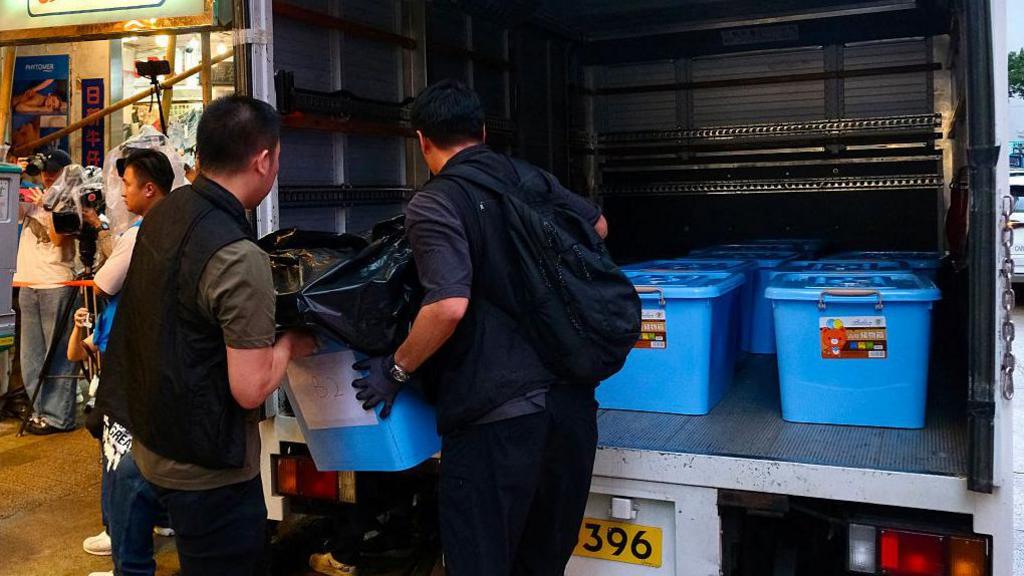
In pictures, officers can be seen loading confiscated books and other items into a van after leading a female suspect in handcuffs away from the "Have A Nice Stay" bookstore, which was founded in 2022 by former journalists and sold titles on democracy, authoritarianism and media literacy.
The shop announced last week that it would close in August for financial reasons, citing an elusive "red line" that governs what materials is deemed problematic. The authorities targeted Greenfield Book Store in the same neighbourhood, though neither shop will participate in this year’s Hong Kong Book Fair.
This raid follows earlier incidents earlier in the year, where two workers were arrested at the Yuet‑Shan store in June and four were taken from Book Punch in March. Amnesty International said the actions illustrate a chilling reality in Hong Kong: individuals can be criminalised simply for the content of their bookshelves.
"Uncertainty over so‑called "red lines" has left booksellers and writers guessing which titles could provoke investigation, arrest or closure," the NGO warned. "The result is fear and self‑censorship," it added.