In brief
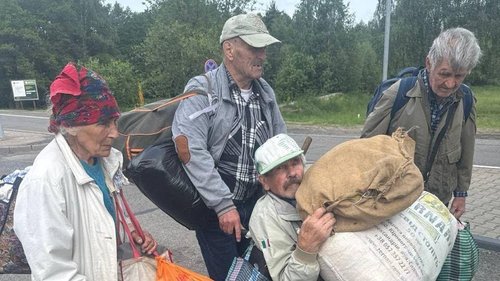
As tensions remain high, many displaced individuals question the motives and implications of the new ceasefire agreement.
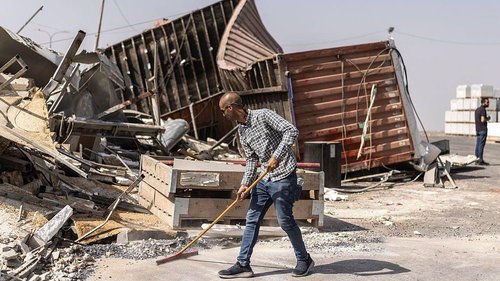
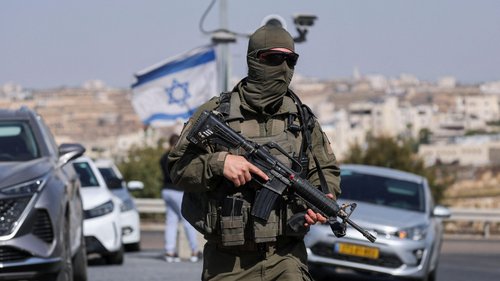
In an unprecedented turn of events, Prime Minister Benjamin Netanyahu announced a ceasefire deal amid ongoing military operations, claiming significant achievements in combatting threats from Hezbollah in Lebanon and groups in Gaza. Despite Netanyahu's assertions of military success, the announcement has ignited widespread anger and distrust among displaced residents from northern Israel, many of whom are skeptical of returning home due to prevailing fears of Hezbollah's resurgence.Netanyahu framed the ceasefire as a strategic move that would enable Israel to refocus efforts on perceived Iranian threats, asserting that the Israeli military had incapacitated Hezbollah's capabilities to an extent that they were "set back tens of years." However, this narrative faces scrutiny, not least from his political adversaries who accuse him of capitulating under pressure. Internal polling indicates a mixed national sentiment, with a significant percentage of Netanyahu’s core supporters voicing opposition to the ceasefire.Many displaced individuals, like Rona Valency of Kibbutz Kfar Giladi, crave a return home but are candid about their anxiety towards Lebanese residents resettling across the border. “The only thing I can hope for is that Hezbollah will not infiltrate these villages and build a new network,” she lamented, expressing a longing for safety. Her husband, Onn, echoed similar sentiments emphasizing the necessity for a robust military presence to maintain security: “I trust only our army,” he asserted, highlighting the deep-seated mistrust in external forces.Despite notable military successes against Hezbollah, tensions remain palpable, and the socioeconomic strife generated by the war has left many citizens displaced and despondent. Calls for Netanyahu to persevere in military efforts against perceived threats, particularly in light of his commitment to achieving "total victory" in Gaza, have surfaced as residents grapple with the complexities and consequences of prolonged conflict.As the situation evolves, PulseWire will continue to provide live updates and on-the-ground perspectives from affected individuals and communities.