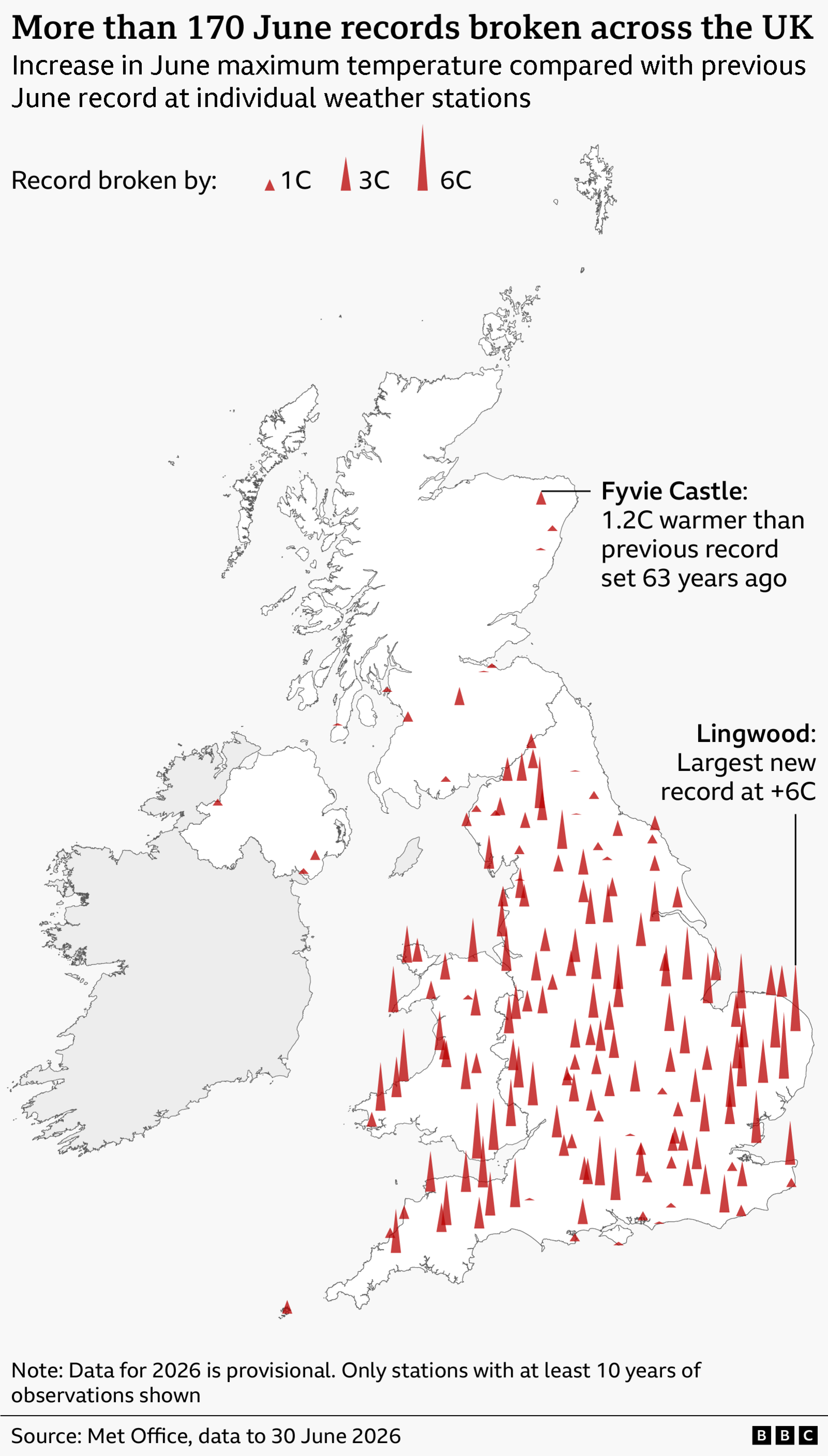
In the first week of July, the UK and Europe are already displaying the new climate, with two successive heatwaves in May and June that shattered all previous temperature records. The June event – described by the United Nations weather agency as an "extraordinary" outage – brought maximum temperatures that towered above the long‑term averages, leaving red marks on an interactive UK chart that highlights the spike of warm days.
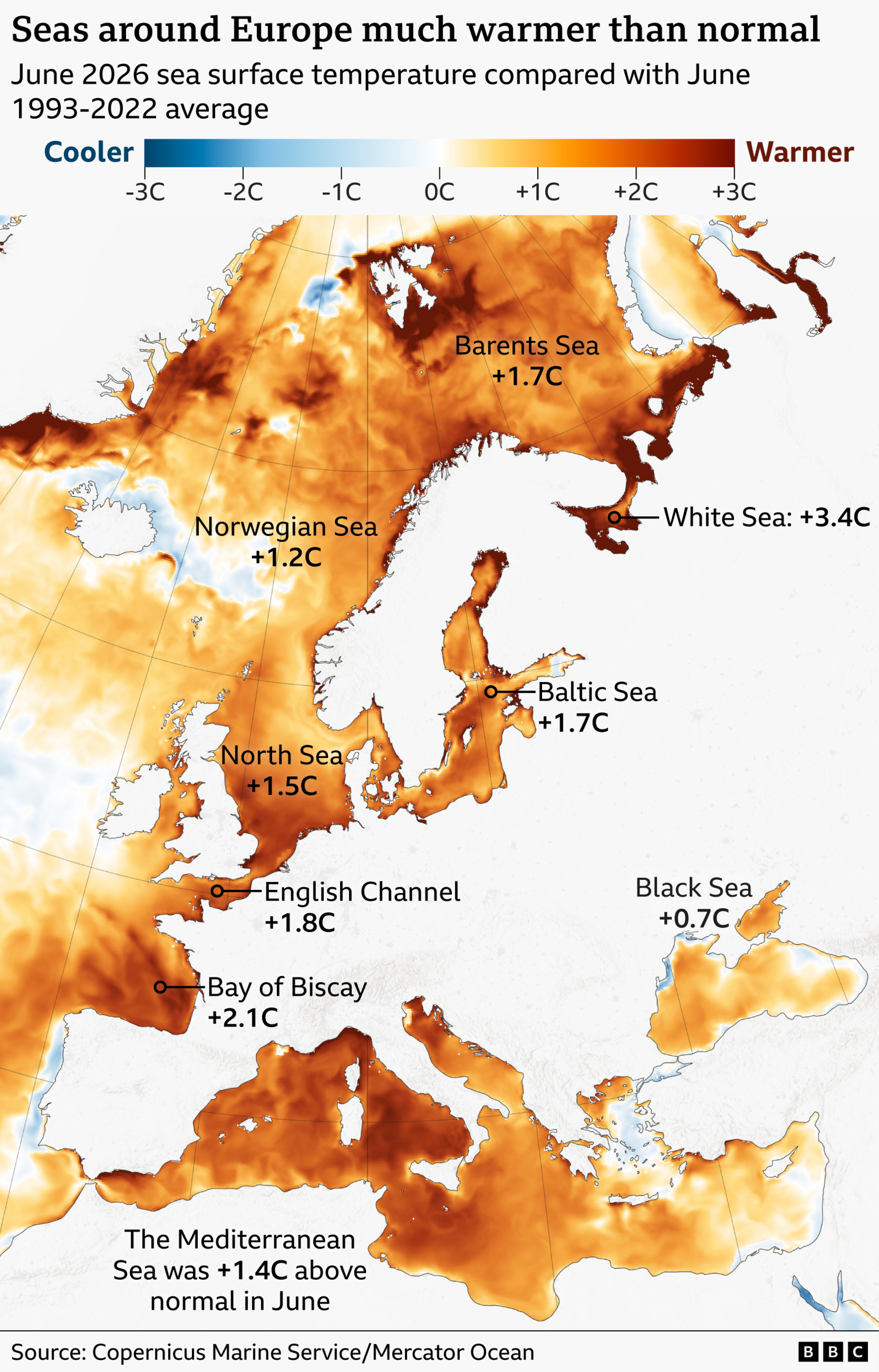
The heat dome that hit Europe in June was a double‑whammy of high temperatures and high humidity. High humidity prevented the body from cooling off by sweat and kept night times well above 20 °C, with Cardiff recording the warmest June night ever – a night that never dropped below 23.5 °C.
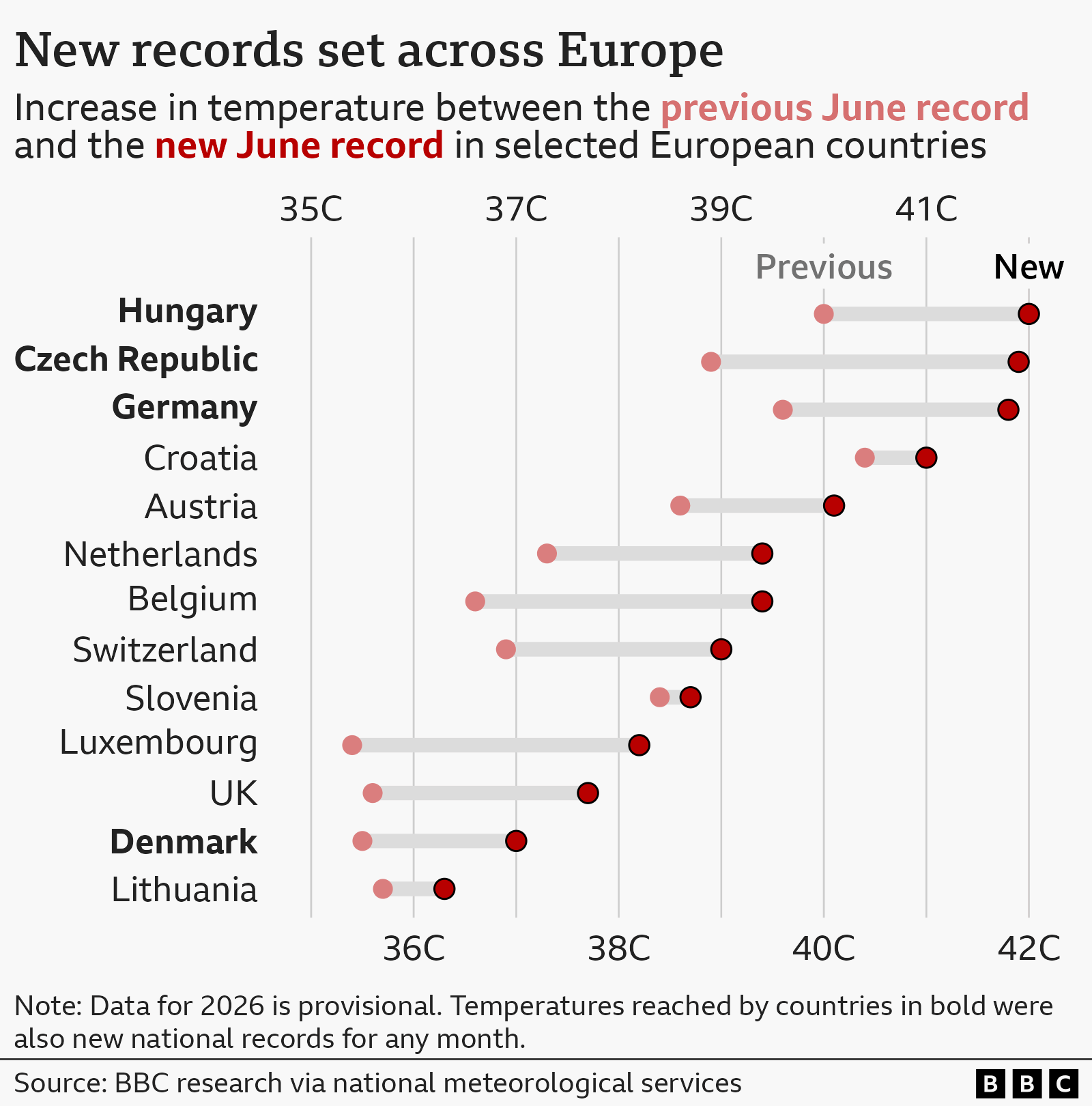
Across the continent, 14 countries broke their June records, and a number of nations set new all‑time highs – Hungary 42 °C, Czech Republic 41.9 °C, Germany 41.8 °C and Austria 40.1 °C. These increases are larger than ever before, and scientific analysis posits that the warming trend drives such extreme spikes.
Scientists agree that carbon‑emission driven warming is making heatwaves hotter and more intense. “The only way to explain these strong heatwaves is by including this long‑term warming trend,” noted a leading climate researcher. With global net‑zero targets still a long way off, European summers will likely keep getting hotter on average.
As the heatwave continues, residents across the UK and Europe are urged to stay hydrated, avoid outdoor exertion during daytime hours, and seek cool shelters during the night. The record set in June may not be the hottest yet, but it marks a clear trend that will shape how communities adapt to future heat.