In brief
Documents released by the Justice Department regarding Jeffrey Epstein have revealed sensitive information, including uncensored photos and the names of abuse victims. Mistakes in redaction efforts have been criticized, raising concerns about the safety and privacy of the victims involved. Calls for accountability and corrective measures are being made by victims and their legal advocates.
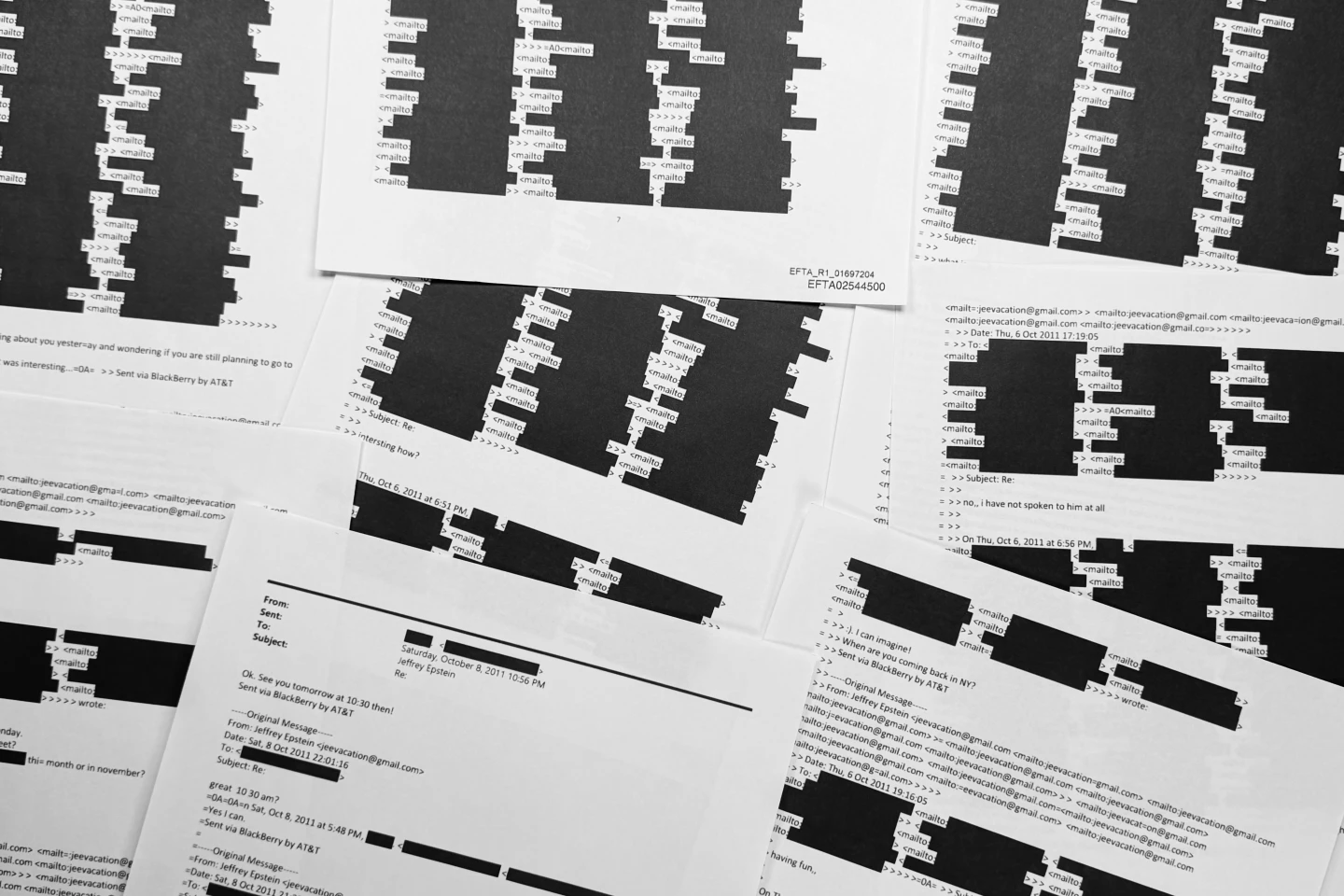
NEW YORK (AP) — The release of documents by the U.S. Justice Department as it complied with a new law on Jeffrey Epstein has led to revelations of numerous failures in safeguarding victim privacy. Among the problematic disclosures were nude photos, names, and faces of sexual abuse victims, and sensitive personal information such as Social Security numbers and bank account details.The legislation was designed to protect the identities and privacy of Epstein's victims. However, an investigation by The Associated Press and other organizations found widespread instances of incorrect or missing redactions, allowing vulnerable details to surface unshielded.For instance, among the released materials was a chart detailing victims, featuring unredacted images of an underage girl who had been compelled to provide sexualized massages. Additionally, police reports bearing the names of multiple victims, including those who have not publicly identified themselves, were released without any redactions.Despite the Justice Department's commitment to rectify these issues, many sensitive images—including explicit selfies—remained accessible as of recent audits, raising alarms among advocates for the victims.Lawyers representing victims are demanding that the Justice Department take immediate action to remove these files from public access and appoint an independent reviewer to ensure effective compliance with privacy protections.In light of these blunders, legal representatives and some victims have expressed their frustrations, noting that the irregularities stem not solely from technicalities but from an overarching failure to protect the individuals promised safety by a government institution.The Justice Department has acknowledged lapses, indicating the significant challenges posed by the volume of documents that needed to be reviewed in a limited timeframe. The agency has been working to release corrected versions of the files but faced criticism for the apparent haste under which the redactions were completed.With ongoing court hearings and public scrutiny surrounding Epstein's past and the implications of this document dump, the handling of personal information remains a key concern for victim advocates, showing the complexities involved in balancing legal transparency and victim rights.