Emily Wilson Criticises Nolan’s The Odyssey
Sir Christopher Nolan’s latest epic, The Odyssey, has racked up glowing reviews and box‑office success, yet esteemed scholar Emily Wilson has taken a different stance. Wilson, whose 2017 English translation of Homer's poem the director cited as an influence, released a blistering critique in the London Review of Books.
“I would be ashamed to have written this script,” Wilson laments, branding the film’s structure as gimmicky. She charges that “the writing is abysmal; none of the characters has convincing motivation, there are no sex scenes, and every food looks horrible.” The translator argues that the movie falls short of the psychological, emotional, political and ethical depth that the source material offers, despite brightening public interest in Homer.
In her words, the three‑hour spectacle fails to fully realise the potential of its “grandiosity”, leaving characters underdeveloped and narrative intentions muddled. Wilson’s critique, however, acknowledges that the film has sparked renewed readership of her translation, which has sold in swarms.
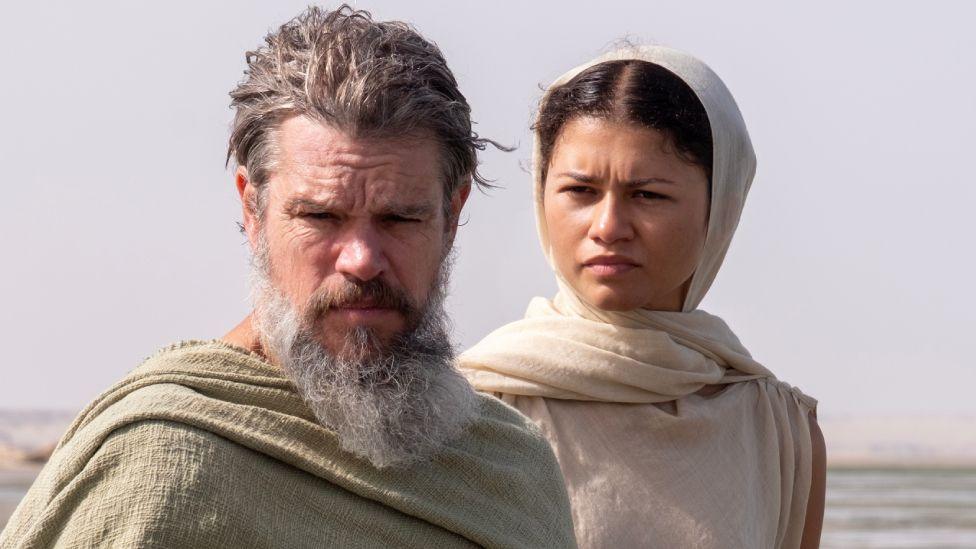
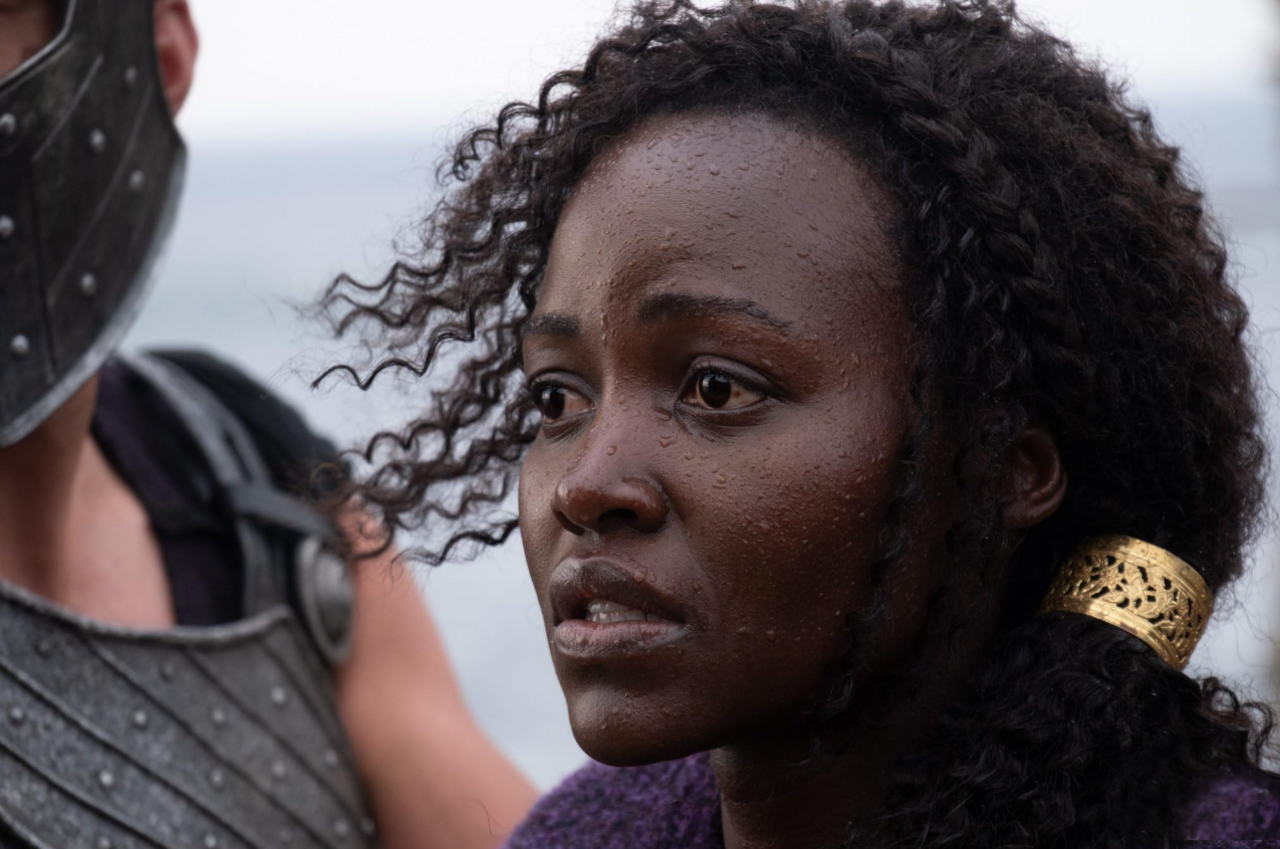
Contrarily, major outlets including Telegraph, Metro, Times and Standard have praised the film, calling it “film of the year”, “a masterpiece in every way”, and “a colossal piece of cinema”. They emphasise the movie’s visual fireworks, star‑studded cast—Matt Damon, Zendaya, Tom Holland, Anne Hathaway, Robert Pattinson, Lupita Nyong'o—and its sweeping scale.
While Wilson’s academic review highlights a perceived loss in character depth and emotional gravity, film critics celebrate its monumentality and spectacle. The debate encapsulates the broader conversation about faithfulness versus artistic licence when translating timeless stories to the block‑buster screen.