EU Urges Emergency Meeting Over Ceuta Migrant Surge
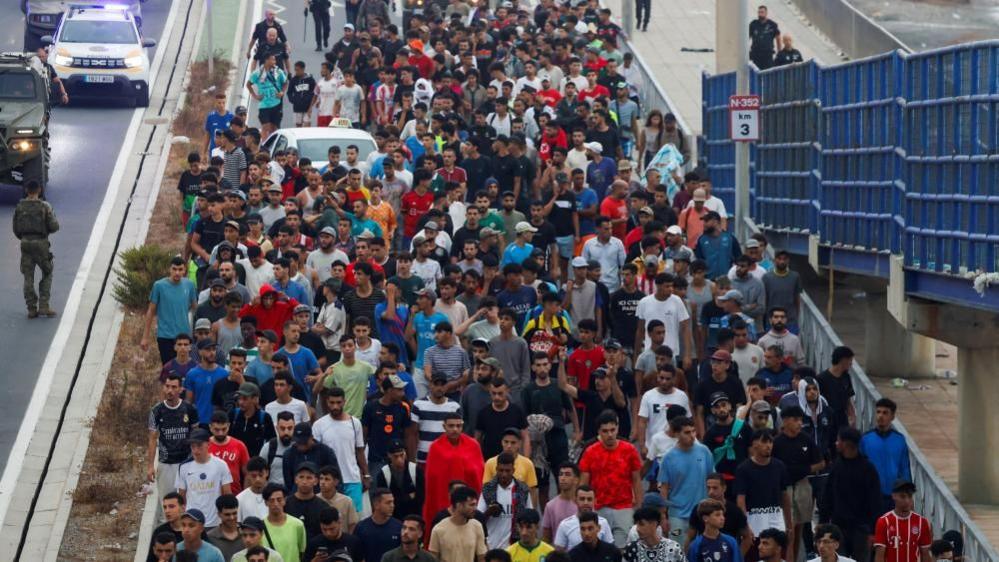
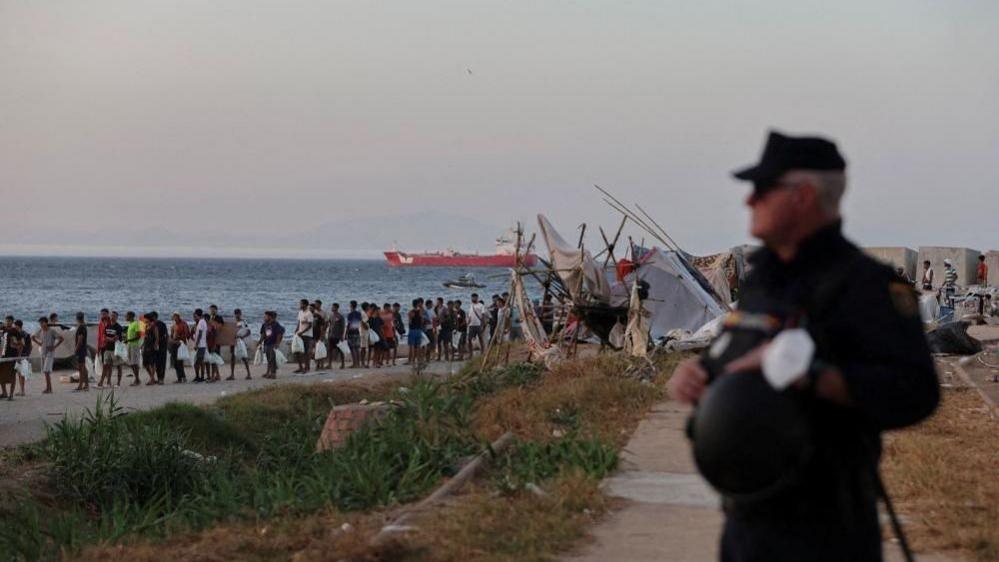
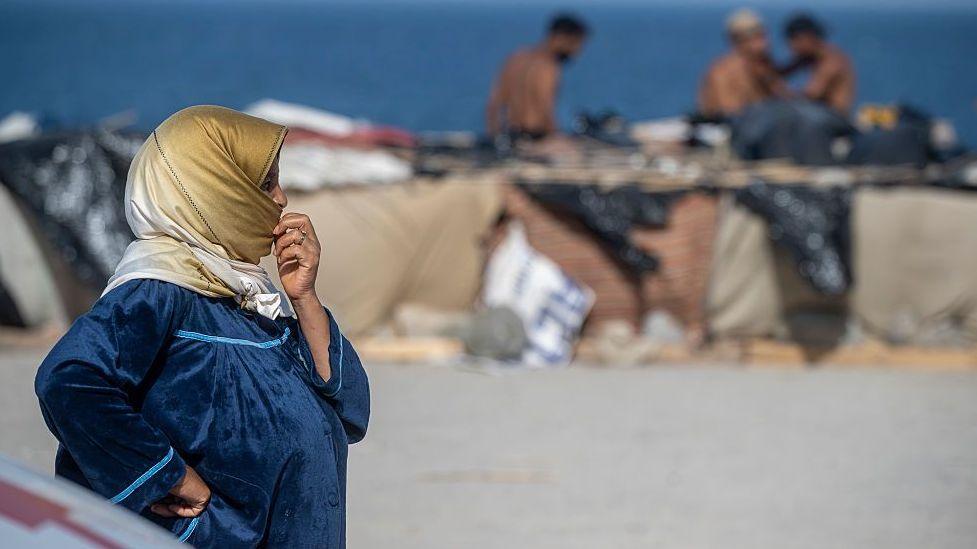
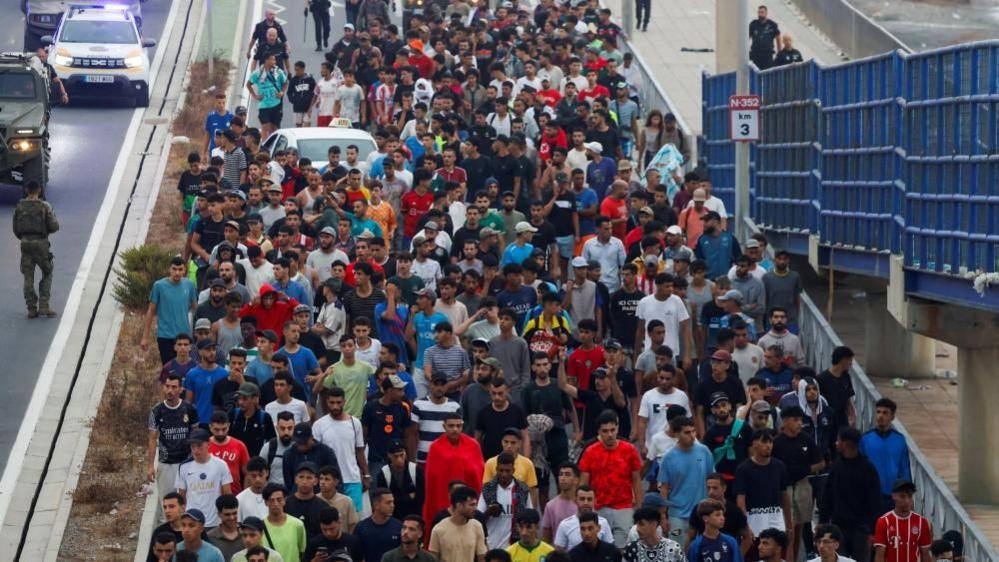
The European Union convened an emergency meeting on Tuesday after reports that roughly 60,000 migrants crossed the shoreline of Spain’s northern enclave of Ceuta from Morocco on 30 July. The sudden influx followed a 24‑hour period of intense swimming and rescue operations, and the incident prompted 22 member states to sign a joint letter demanding coordinated border‑control measures.
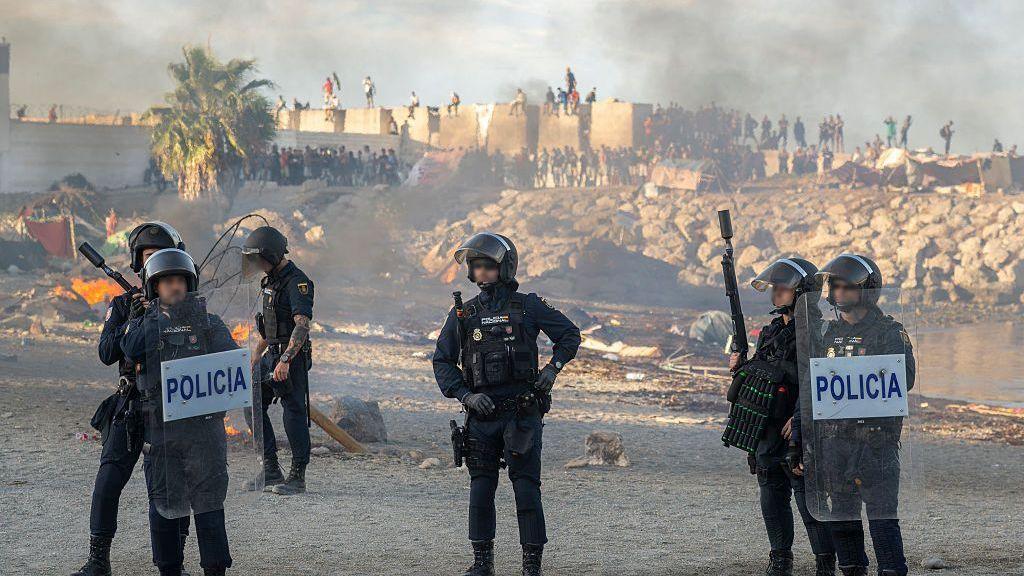
Spain – the enclave’s sole land link – shut the border briefly, deploying police to escort the migrants through a temporary fence. Officials said almost every person who entered Ceuta that day had already departed, but 67 deaths were recorded in the surge, highlighting the human cost of the crossings.
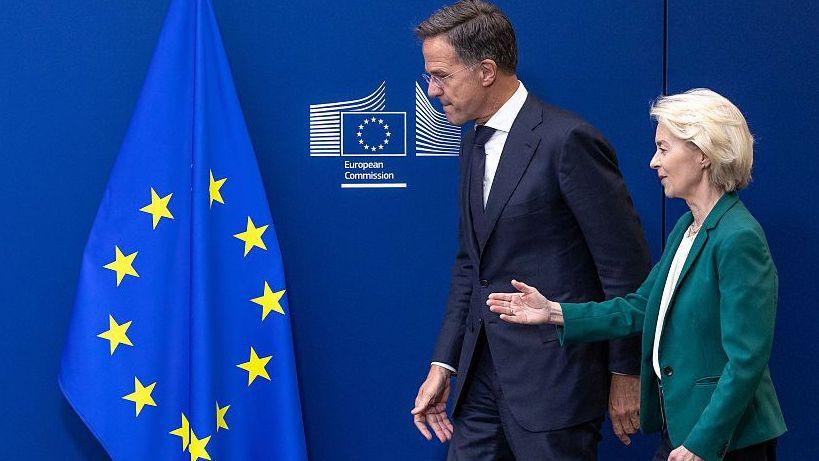
The joint letter, addressed to EU President Antonio Costa, European Commissioner Ursula von der Leyen and Irish Taoiseach Michael Martin, warned that the perception the EU allows illegal entry could “encourage further attempts and undermine confidence in our common migration policy.” The signatories include the Netherlands, Finland, Belgium, Denmark and Germany.
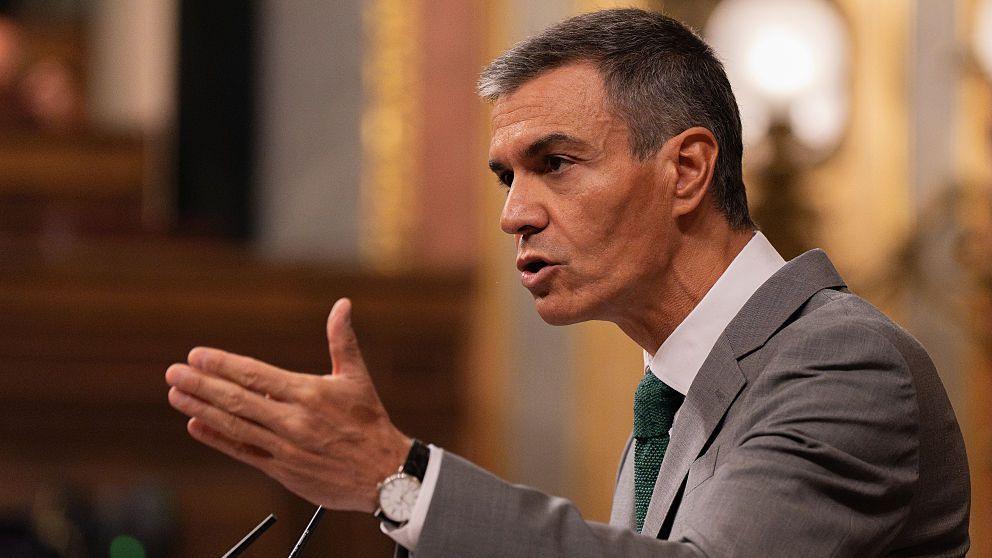
Prime Minister Pedro Sánchez criticised other European governments for what he called “prejudiced, fake‑news‑driven” attacks, noting that Ceuta is not in the Schengen area and that Spain had re‑established full border control within 48 hours. Italy’s Prime Minister Giorgia Meloni and Finland’s Mette Frederiksen announced temporary re‑introduction of border checks, while Portugal and France signalled willingness to investigate similar measures.
At the meeting, EU leaders reviewed proposals to strengthen external borders and to curb “hybrid threats” that could create a false sense of ease in entering the Union. They also considered the long‑standing debates around the special status of Ceuta and Melilla, Spain’s two enclaves on the Moroccan coast that have historically been focal points for migration.