In brief
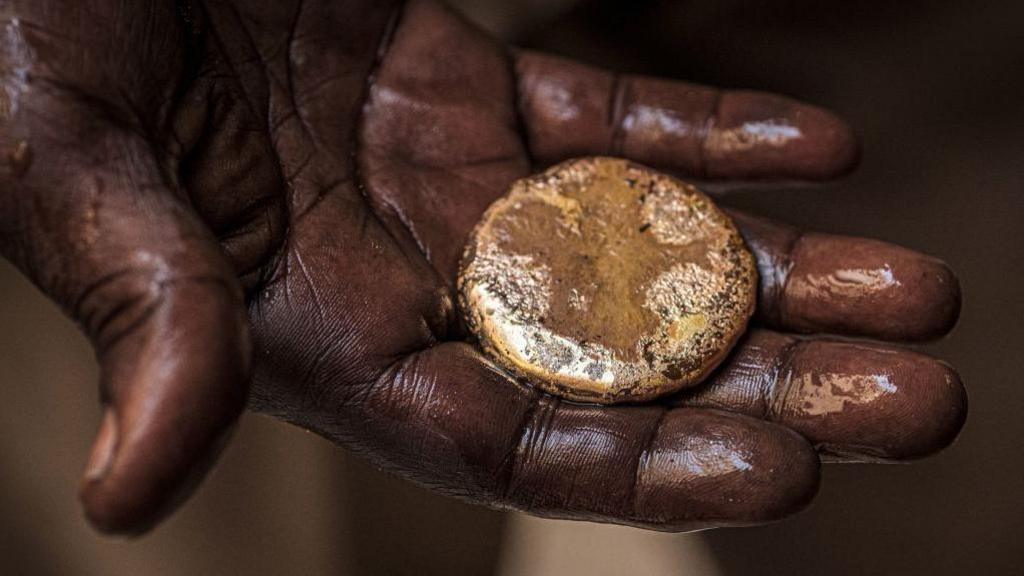
The European Union announced a ban on the purchase, import and transfer of gold from Sudan in an effort to curb the war’s funding. Sudan is one of Africa’s largest gold producers and its reserves have become a key revenue source for both the army and the paramilitary Rapid Support Forces. The ban extends to mercury and cyanide used in gold mining, signalling a comprehensive approach. Experts warn that broader enforcement at international trading hubs is essential for the sanctions to be effective.
The European Union has banned the purchase, import and transfer of gold from Sudan.
This move follows the outbreak of a brutal civil war in April 2023, where the Sudanese army and the paramilitary Rapid Support Forces (RSF) have been fighting for control over the country’s vast gold reserves.
Sudan is among Africa’s largest gold producers, and analysts estimate that 50‑70% of its ore is smuggled out each year for the benefit of warring factions. The gold reaches international markets via neighbouring Egypt, Chad and Libya before heading to refining hubs in Dubai, UAE.
The EU’s sanctions also include a ban on exports of mercury and cyanide, chemicals widely used as gold‑processing agents, while leaving humanitarian‑and‑public‑health supplies exempt.
According to the EU Council, the measures aim to remove the financial arteries sustaining the conflict. "The ban and other restrictions are designed to curb sources of financing for the conflict and increase pressure on those fuelling the war," the statement read.
Under the new rules, EU individuals and companies cannot purchase, import or transport gold originating in Sudan. However, experts caution that sanctions alone may fall short unless major global gold trading hubs tighten enforcement against illicit Sudanese gold.
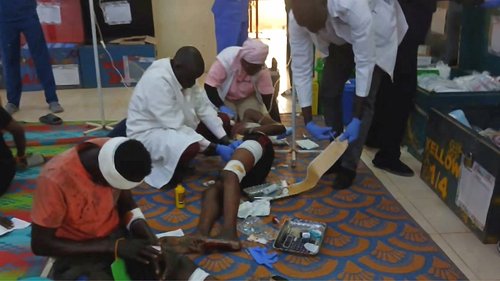
The conflict has already displaced more than 14 million people, and aid agencies warn that over 28 million Sudanese face acute hunger. International pressure is mounting on foreign actors to exit the war and cut the flow of revenues that keep it alive.
Learn more about Sudan’s gold production and its role in the war.