In brief
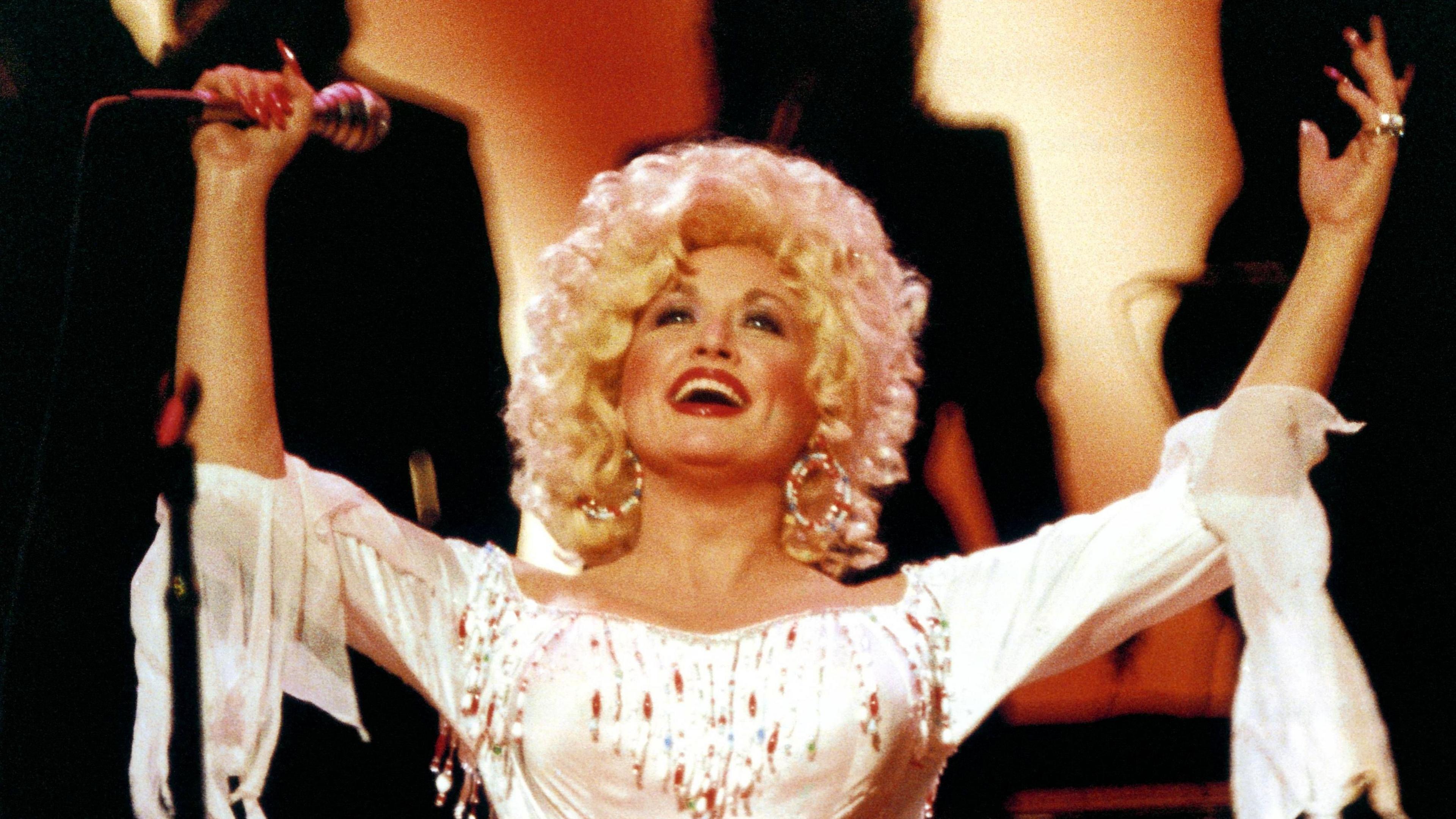
Dolly Parton’s songwriting began in childhood and evolved into a 1980 hit, "9 To 5", born from the buzz of her acrylic nails while filming the film of the same name. The song’s playful beat and sharp commentary on women’s roles in the workplace set a precedent for her music’s activist edge. Parton forged a solo career after a respectful split with Porter Wagoner, fought fiercely over publishing rights—most notably with Elvis Presley—and used her earnings to fund education for under‑privileged children in Nashville. Beyond the charts, she delivers philanthropic initiatives that spread literacy, supports Covid vaccination, and inspires generations of performers like Taylor Swift and artists worldwide. Her legacy is both a trailblazing milestones in country music and a testament to her unwavering determination to use her voice for empowerment.
Dolly Parton’s songwriting journey began in early childhood, but it was in 1980 that she crafted the theme for the film 9 To 5 while filming the movie. Away from the set, her guitar was barred, so she tapped the beats with her acrylic nails—creating a rhythm that mirrored the typewriter used by her fictional star and struggled with workplace sexism.
The song soon became a hit, topping the U.S. singles chart and earning Parton an Oscar nomination for best song. It served not only as a catchy showcase but also as a feminist anthem that addressed wage and gender inequalities, echoing her own encounters with sexism in the music industry.
Parton’s rise from the Porter Wagoner Show in 1967 to a solo superstar involved a pivotal moment when she wrote “I Will Always Love You” for the Shirt of her mentor. After a lawsuit over the deal, she retained full rights to the song, keeping the publishing control that later allowed her to lodge rights in her name when Elvis Presley requested a share. She resisted giving half the rights to Presley’s manager, a decision that kept her income to reinvest in making education affordable for disadvantaged children in Nashville.
Her philanthropy, which covers a vast array of causes such as distributed books to child readers and active Covid‑19 vaccine promotion, provides a backdrop to her musical influence. Artists such as Taylor Swift credit Parton as inspiration for standing firm over their masters and safeguarding their own royalty income.
Musically, her catalogue ranges from the homespun stories of Coat of Many Colors to the autobiographic narrative of My Tennessee Mountain Home, emphasizing personal heritage and childhood resilience.
She also writes with diaristic honesty—songs like “Jolene” and “All I Can Do” reflect her ability to connect with listeners through vulnerability and humor. Her work waves a feminist banner by advocating equality through titles such as “Just Because I’m a Woman” and “When Possession Gets Too Strong.”
Parton’s lasting influence stretches from music halls to the literary world—her 200 million books distributed to under‑privileged kids epitomizes the breadth of her legacy. The combination of artistry, entrepreneurship, and a steadfast sense of her own worth now informs contemporary movements, encouraging the next generation of artists not to fear the power of a single voice.
In a world that still fights for equality and recognition, Dolly Parton’s music remains a beacon for a resilient cultural legacy that continues to inspire women, musicians, and humanity at large.