In brief
Investigators found the phone book of ex‑Assad spy chief Hussam Luka in an abandoned Damascus apartment, its pages filled with names and redacted phone numbers. The ledger led a BBC journalist to search for contacts across Syria, Lebanon and Russia, eventually locating Luka in suburban Moscow. Despite repeated calls, Luka’s phone refuses to answer, and Russian authorities have declined to comment on an extradition request. The case highlights the difficulty of pursuing alleged war crimes perpetrators who have escaped to close allies. The story underscores a call from Syrian families for justice and the continuing shadow of Assad’s security apparatus.
Published 8 hours ago

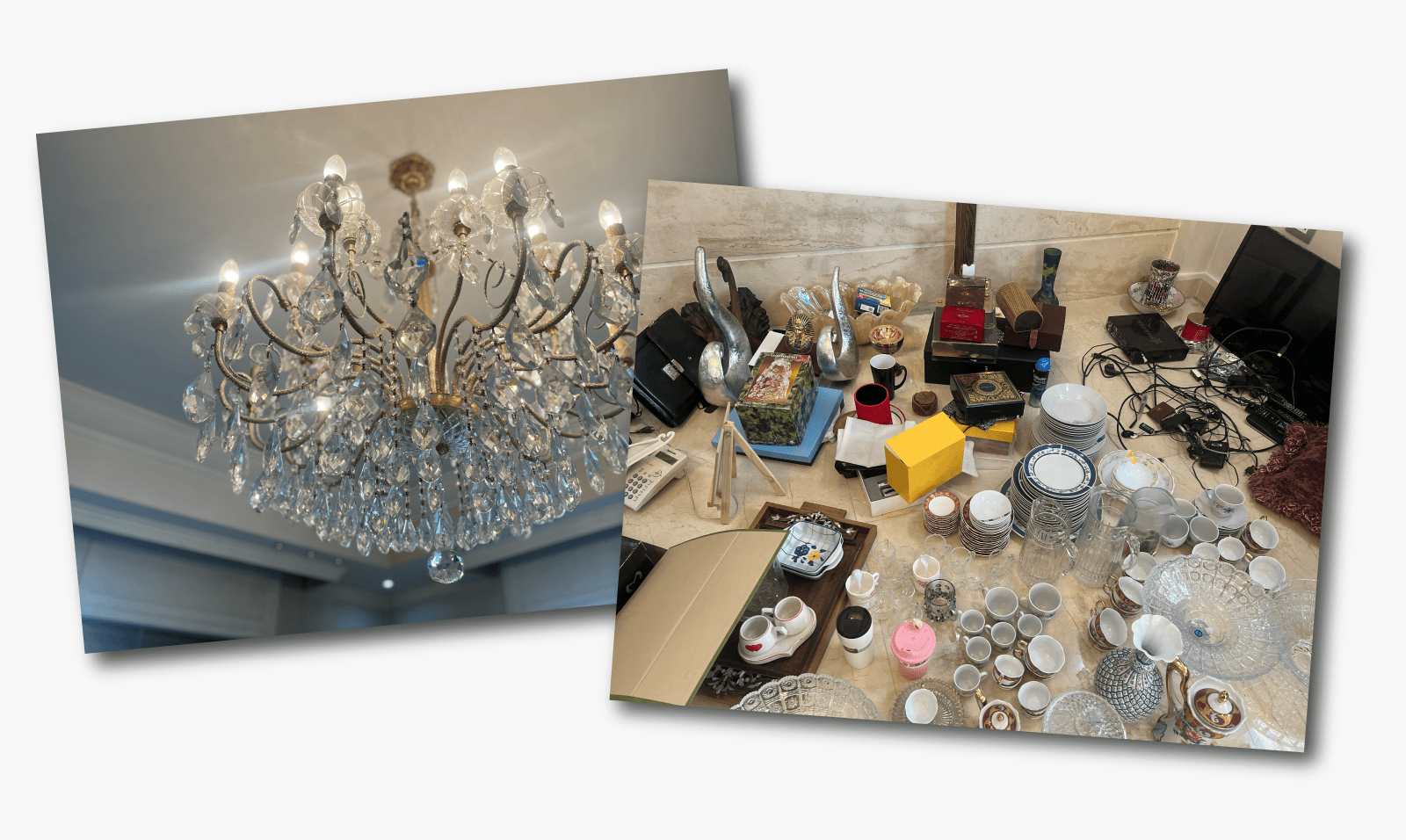
Hussam Luka’s apartment was luxurious and full of miscellaneous goods
In the dusty loft of an abandoned luxury apartment in Damascus, armed men sifted through designer coats and stashed photos of one slender man in various scenes. The identity of the man was obscured by black-and‑white silhouettes and red flags, until gold medals and gilded certificates revealed his name: Hussam Luka.
Luka, known as “The Spider,” was a top aide to former president Bashar al‑Assad and the head of the regime’s most feared civilian intelligence apparatus. He was implicated in systematic torture, mass atrocities, and the infamous “Eid” massacre in Homs that killed 28 civilians, including 17 children.
When Assad’s regime collapsed in December 2024, Luka vanished overnight. Following his disappearance, a loyalist’s apartment was seized by rebels who searched for clues as to where the spy chief had gone.
The phone book we found in the apartment – redacted names and first three digits of each phone number.
The book, almost 155 pages long, listed hospital staff, military commanders and close family members – all identified by a single letter and a code. 51 numbers out of the 155 seemed operational when called, yet most answered with silence or a polite refusal to discuss any contacts.
The fight for justice intensified when a BBC journalist, whose own name once appeared on a GSD wanted list, physically went to Syria to trace the red‑cited contacts.
Doctors and other contacts were reluctant to reveal anything beyond a vague direction to a pharmacy that supposedly belonged to Luka’s daughter. Humour as a wardor's stronghold: a guard’s testimony provided a lead to a personal bodyguard, Mahmoud, who confirmed Luka’s departure from Damascus, leaving behind a safe filled with money.
Mahmoud was elusive – giving only a driver’s contact, who in turn would not answer. After weeks of follow‑up, investigators narrowed Luka’s possible escape routes to neighboring Lebanon and then Russia. Sources claimed Luka had been seen in Lebanon with a Russian passport under a different name, before supposedly heading to Moscow.
In a risky phone interview, investigators spoke with a number identified as Luka’s. The voice on the line answered a battery of questions that only a former spy chief could know, yet it refused to offer a direct conversation. Two separate numbers – one linked to a specific Russian location – eventually supplied the couple of camping mountainous suburb of Moscow, contradicting the image of a comfortable exile so far from Damascus.
The BBC concluded that “the evidence that Luka is in Moscow is difficult, and Russia is highly unlikely to extradite officials from the regime that it long supported.” Russian authorities did not respond to requests for a comment on Luka’s presence, leaving Syrian families in a storm of hope for justice that may never surface.
The case echoes the story of seven‑year‑old Wael, who died in the “Eid” massacre. Mohammed Towakatli, who lost his son, says civilians still “fly through their memories of rotating grass and street.” “He was just a child… all he cared about was playing,” Towakatli says, seeking to keep the memory alive while demanding justice for Luka and the other former regime officials.
If Louise’s psych” The story remains a twisting reminder that those who once held the world’s security will not be forgotten, and the winding shadows will forever be chasing them.