In brief
With the College of Cardinals preparing for a historic conclave, eight prominent figures are being closely watched as potential successors to Pope Francis. Among them are both established Vatican insiders and dynamic leaders from regions like Asia and Africa, reflecting the Church's global nature.
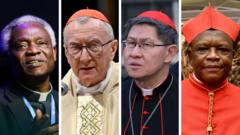
The Vatican is abuzz with speculation about who will be named the next pope following the passing of Pope Francis. This election carries great significance not only for the Catholic Church but also for the 1.4 billion Catholics around the world. The process is set to unfold in the historic Sistine Chapel, where the College of Cardinals will convene and engage in debates before casting votes for a new leader.One notable distinction in this conclave is that 80% of the cardinals are Pope Francis's appointees, representing a broad and diverse perspective. For the first time in history, less than half of the voting cardinals hail from Europe, raising questions about whether the Church could see an African or Asian pope, or perhaps an experienced figure familiar with Vatican politics.Among the frontrunners is **Cardinal Pietro Parolin**, a 70-year-old Italian and former Vatican secretary of state, known for his diplomatic skills. While some see his global outlook as beneficial, his critics are wary of potential compromises on Catholic doctrine. Another compelling candidate is **Cardinal Luis Antonio Gokim Tagle**, aged 67 and hailing from the Philippines. With strong ties to the Catholic community there, his social focus has earned him the nickname "Asian Francis," but his traditional views on issues like abortion and same-sex marriage reflect the Church's enduring stances.The cardinals may also consider **Cardinal Fridolin Ambongo Besungu**, a strong advocate from the Democratic Republic of Congo, who supports the Church amidst increasing persecution from extremist groups and has voiced a commitment to religious plurality.Meanwhile, **Cardinal Peter Kodwo Appiah Turkson** of Ghana stands out as a direct contender. At 76, he represents the influential demographic shift toward Africa within the Church, despite claiming not to seek the papacy amid past comparisons to a potential candidate.Other names include **Cardinal Peter Erdo** from Hungary, who has a keen understanding of Church relations with Orthodoxy, and **Cardinal Reinhard Marx**, Germany's leading cleric known for reform-oriented views. The Vatican's landscapes could shift as figures like **Cardinal Marc Ouellet** and **Cardinal Robert Sarah** emerge, despite their varying degrees of influence and age.While **Cardinals Robert Prevost** of the U.S. and **Michael Czerny** from Canada are also in the conversation, they represent the ongoing tension between progressive and traditionalist factions within the Church.As this conclave approaches, the outcome remains uncertain, reminding all that the dynamics of papal selection continually evolve, reflecting the global and multifaceted nature of the Catholic Church today.