Cows Outnumber Pupils: The Quiet Pull‑Down of Rural Kenyan Schools
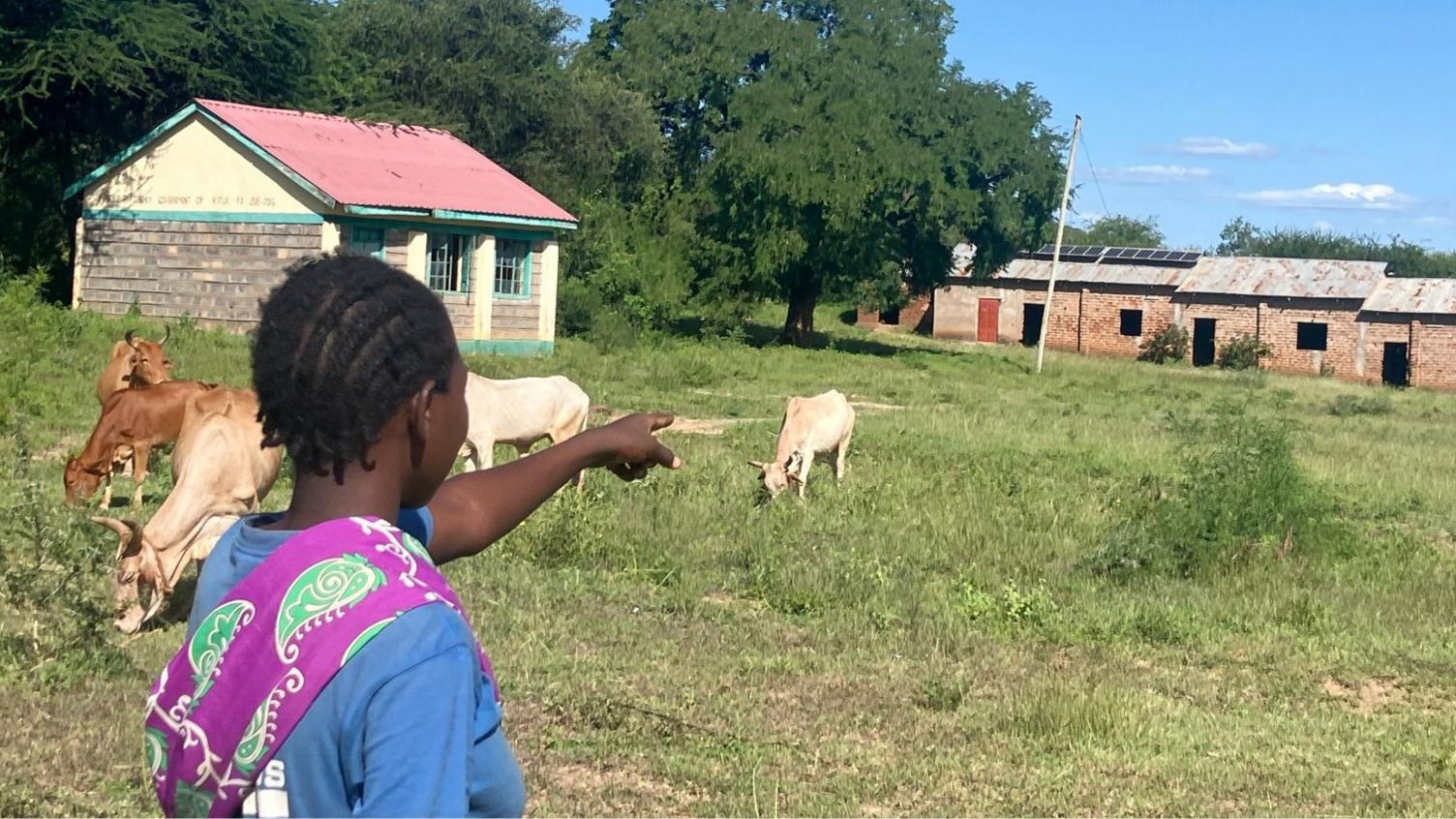
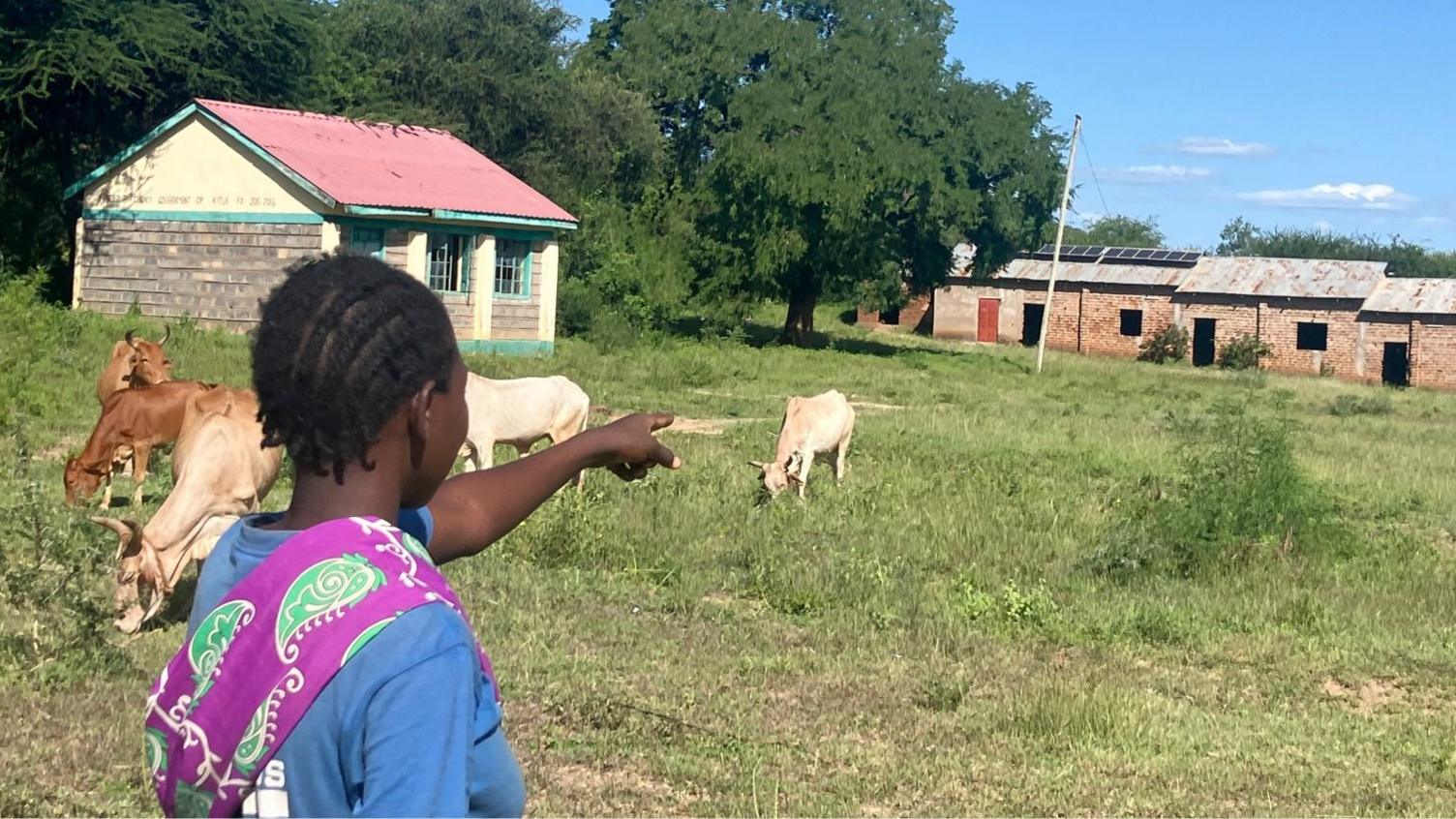
In the quiet morning of Kaliluni Primary School in southern Kenya, one steps into an empty courtyard. Broken classroom doors gape open to rows of vacant chairs, and as a young girl points to a patch of grass, the only witnesses are the cows that graze nearby. Three years ago, more than 200 children filled the same space with laughter; today, only five pupils remain – and on the day the BBC team came, even those students were absent.
The decline reflects a broader national trend: rural schools are being squeezed by a new Competency‑Based Education (CBE) curriculum that demands more teachers, laboratories, and teaching materials than many rural institutions can supply. According to Wycliffe Muia, the report’s correspondent in Kitui county, the shift was meant to “strengthen schools for low‑income communities”, but for places like Kaliluni it’s actually doing the opposite.
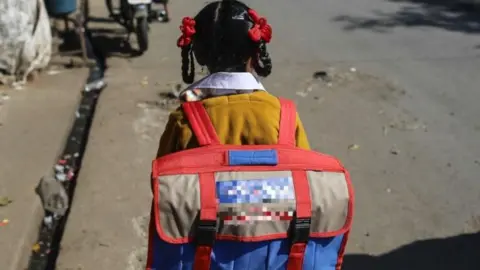
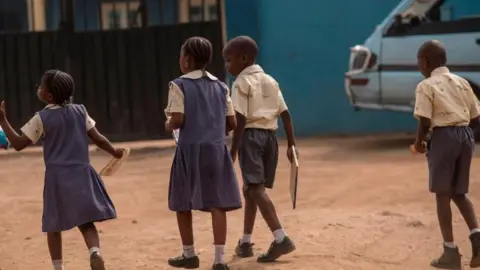
Maureen Mwisiwa, a 12‑year‑old student, now walks 3km to the nearest school; her mother plans to shift them to a facility farther away, as the local school’s limited enrolment means it can’t keep a headmaster or a senior teacher on staff. “I was hoping the government would restore operations here – bring more teachers and facilities to accommodate the new curriculum – but there is no hope,” her mother says.
Education Minister Julius Ogamba has acknowledged the rural enrollment problem, announcing that 2,145 public primary schools will close or merge, and that a minimum of 45 students is required for a primary school to stay viable. He said, “It makes no sense to have a school with just 10 students when you need a headmaster, a classroom, a watchman and a teacher.” Yet teachers on the ground, like a seasoned Machakos class instructor, complain that “we’ve been crisis‑managing the transition, which is not sustainable.”
The CBE curriculum should strengthen schools, especially for low‑income communities, not weaken them — Tabitha Katingu, a parent in Kitui county.
The impact spills beyond Kaliluni. Other primary schools, such as the recently closed Sooma and Manooni, have also seen dwindling enrollments (down to six and three pupils respectively). Such closures leave students without a local option, forcing longer commutes, overburdening neighbouring schools, and raising safety concerns.
Migration and low fertility are also to blame. Rural families are moving to towns for better job prospects, and the birth rate has fallen among young people who fear they can’t financially support a family. As a result, more than half of Kenya’s population could live in cities by 2050, according to UN‑Habitat.
While the government’s audit continues, many educators warn that without proper implementation plans, cost assessments, and teacher distribution, the CBE reform will fail to serve children in underserved areas. The policy’s success hinges on equitably sharing resources so every child has access to a suitable classroom, qualified teachers, and learning materials.
Follow PulseWire on Twitter @PulseWireNews for live updates and community‑fact‑checked stories about Kenya’s education crisis.