In brief
Protestant and Catholic leaders in Minnesota are calling for U.S. District Judge Jerry Blackwell to grant them immediate access to detainees at the Bishop Henry Whipple Federal Building, the center of heightened ICE operations. The request emerges amid claims of unconstitutional restrictions that inhibit spiritual care for immigrants. As discussions unfold, government attorneys argue that many of the previous restrictions have been lifted. The clergy, supported by various faith groups, stress the importance of pastoral care during a time of crisis for detainees.
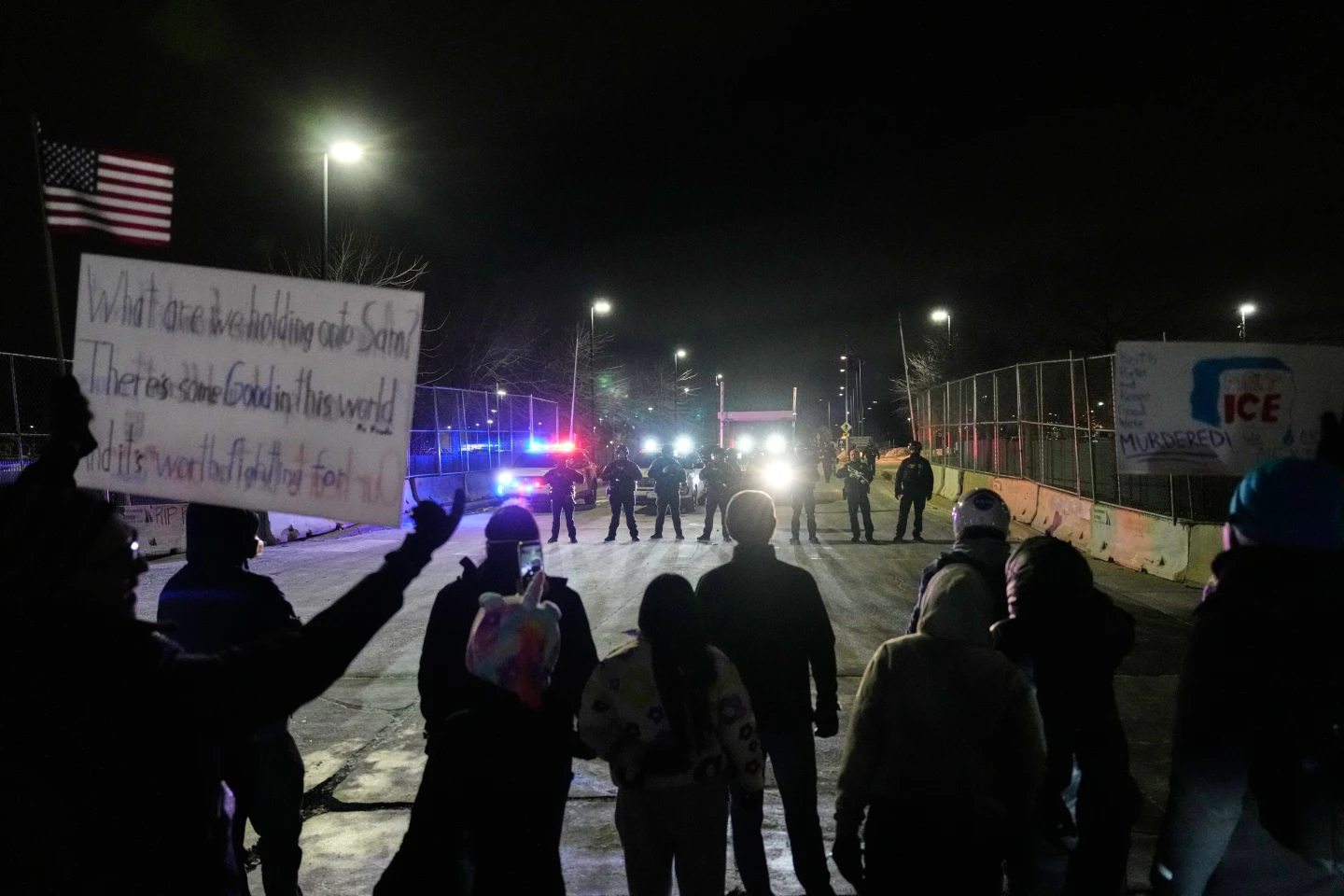
MINNEAPOLIS (AP) — A coalition of Protestant and Catholic clergy is pressing for court-ordered access to minister to immigrants detained at a federal holding facility, located within the Bishop Henry Whipple Federal Building in Minnesota, a site synonymous with intensified immigration enforcement under the Trump administration.
The clergy, represented by their attorneys, are set to appear before U.S. District Judge Jerry Blackwell on Friday, asking for an injunction that would require the Department of Homeland Security to facilitate immediate in-person visits to all detainees. Over 3,000 federal enforcement officers were involved in a recent crackdown, leading to heightened tensions and protests in the area.
The lawsuit claims the facility undermines the legacy of Bishop Henry Whipple, a 19th-century proponent of human rights, asserting that it has become a center for the deprivation of fundamental rights by the federal government.
Government lawyers argue the request is largely moot as the intense Operation Metro Surge reportedly ended recently and visitation restrictions have begun to ease, with clergy allowed access for over two weeks. They indicated that previous challenges to visitation stemmed from concerns about safety at the facility during periods of unrest.
Catholic and Episcopal bishops, along with other clergy and the Minnesota Council of Churches, are backing the request, emphasizing their right to provide pastoral support at times of distress, especially during significant religious observances such as Lent and Ramadan.
The current case reflects ongoing nationwide efforts among religious leaders to gain greater access to immigrant detainees, which has become increasingly contentious amid the current immigration policies. Previous lawsuits have led to successful visitation rights in other regions, such as an ICE facility in Broadview, Illinois, where a similar legal battle was waged.
The clergy's lawsuit highlights an alleged violation of both the freedom of religion and the Religious Freedom Restoration Act, citing multiple instances where access was denied for religious services. In particular, the restrictions were described in the complaint as a violation of the clergy’s rights to minister to those in immediate need of spiritual guidance during profound crises.
Moreover, access issues have extended to attorneys and even lawmakers. Recently, three members of Congress were barred from visiting the facility, and it was only after repeated attempts that they reported inadequate conditions upon gain entry.
The case illustrates the broader struggles surrounding immigrant rights and religious freedoms, raising questions about who holds authority over access within federal detention systems. The outcome could potentially impact hundreds of detainees seeking spiritual and legal assistance.