In brief
In Beijing’s Yizhuang district robotaxis are already weaving through traffic alongside ordinary cars. Chinese firms like Baidu, WeRide and Pony AI combine their battery, sensor and software networks—built for electric vehicles—to tackle autonomous driving. While the testing environment is dense and challenging, safety glitches and regulatory hurdles threaten to slow global expansion. Yet a growing ecosystem and government support give Chinese players a head‑start against U.S. rivals such as Waymo and Amazon’s Zoox.
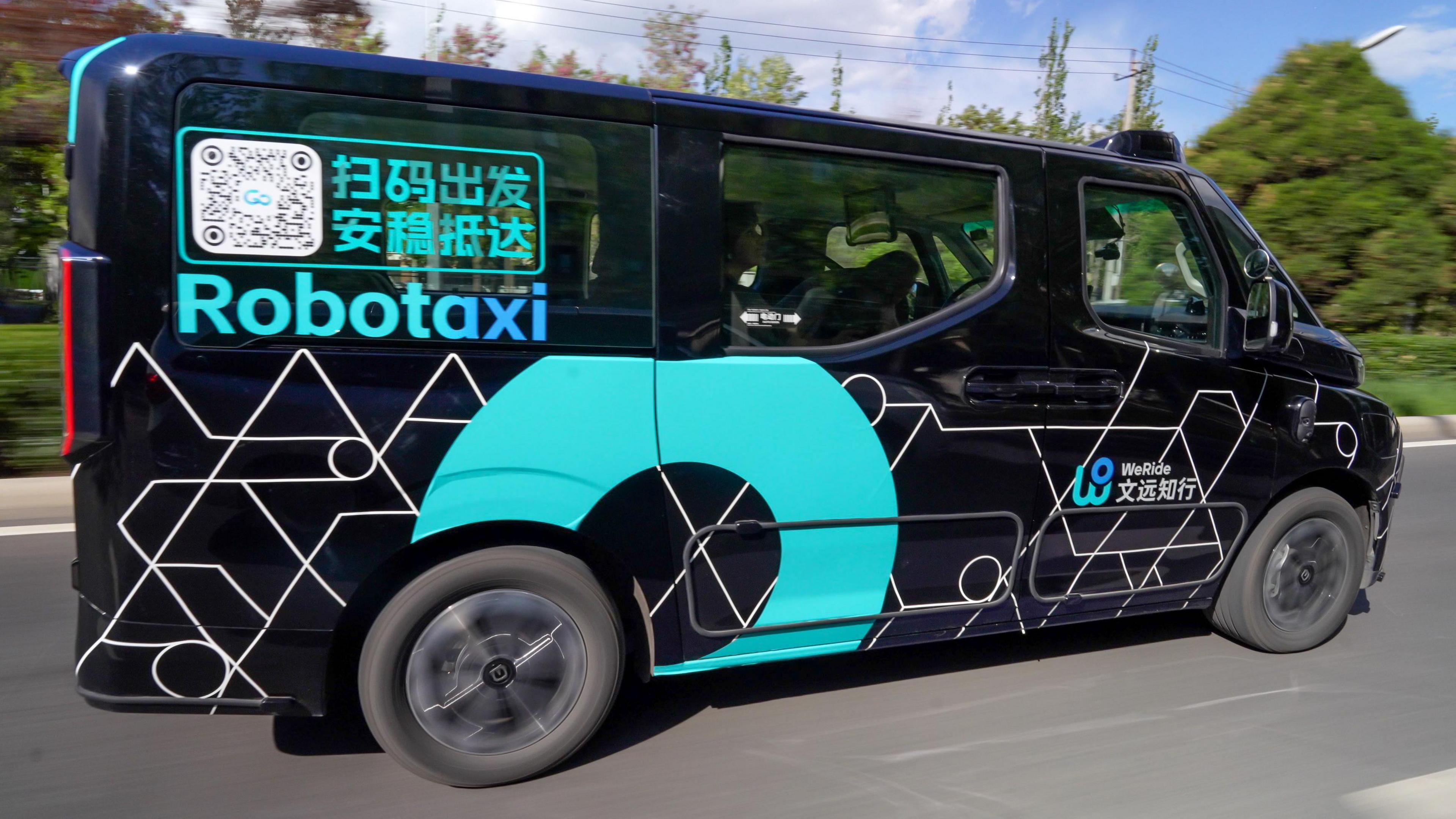
In Beijing’s Yizhuang district the streets are peppered with driverless vehicles. Robotaxis weave through traffic alongside ordinary cars, while autonomous delivery vans glide along dedicated lanes carrying packages to pickup points. The area has become a testing ground for companies such as Baidu, WeRide and Pony AI, which have already launched commercial robotaxi services on city routes.
A Self‑Driving Ecosystem Built on EV Foundations
Chinese autonomy firms have a distinct advantage: an industrial ecosystem that helped turn China into the world’s biggest electric‑vehicle market. Established carmakers—BYD, Chery, Geely and SAIC—build the chassis, while specialist tech firms develop the software. Autonomous cars share many components—batteries, sensors and chips—with electric vehicles, allowing faster, cheaper scalability.
Kyle Chan of the Brookings Institution notes the pace of innovation is “unmatched elsewhere”. He adds that the overlap between EV and autonomous tech is a “productivity force” that fuels rapid development.
Complex Traffic, Rich Data, and Global Ambitions
Beijing’s dense mix of buses, scooters, cyclists, pedestrians and unpredictable traffic offers a living laboratory for AI. Maeve Zhang, chief marketing officer at WeRide, says the diversity of road‑users generates “vast amounts of data” to feed and refine machine‑learning models. However, extreme weather conditions—severe heat in the Middle East, heavy rain in Southeast Asia, and winter snowfall in Switzerland—pose additional challenges for sensors and battery performance.
Chinese firms are already expanding overseas, competing with U.S. giants like Waymo, which leads commercial robotaxis in several U.S. cities. Despite lower manufacturing costs, Waymo’s superior user experience and app infrastructure give it a competitive edge. Partnerships between Western ride‑hailing companies—Uber, Lyft—and Chinese firms have created “automatic access to millions of customers” that would be hard to acquire otherwise.
Safety, Regulation and New Productive Forces
Earlier this year Baidu’s Apollo Go estranged around 100 robotaxis in Wuhan due to a software glitch that locked doors; services were halted for weeks. Similar incidents have plagued other companies—GM’s Cruise shut down after a 2023 crash, and California regulators revoked its permit. These episodes underline how fragile public trust is and why robotaxi rollout demands strict regulatory compliance, detailed mapping and local operations teams.
Unlike EVs, robotaxis generate large amounts of location data that can raise national‑security concerns abroad, creating geopolitical barriers to export. Despite this, WeRide reports regulators are becoming more receptive, citing positive policies both at home and in selected overseas markets.
Looking Ahead
China is investing heavily in AI‑powered, battery‑driven mobility to build a digitally connected economy. Although robotaxi technology is still maturing, the combination of an existing EV supply chain, aggressive testing environments, and government backing could allow Chinese companies to become the next big market disruptors in autonomous driving—if they can keep safety records clean and navigate the regulatory maze.