In brief
U.S. President Donald Trump has announced a 50‑percent tariff on $20 billion of Canadian dairy and related products, citing Canada’s supply‑management system as a key irritant. The policy, which fixes quotas and prices, has long been defended by Canadian farmers and politicians, with Quebec premier Christine Fréchette stating it is non‑negotiable. Critics argue the system inflates costs and stifles trade, pointing to high milk prices in Canada and calls for reform from commentators such as Jen Gerson. The looming tariff threatens to strain Canada‑U.S. trade ties, with Canadian politicians weighing the risk to the industry against political gains. For now, the supply‑management model remains intact despite growing pressure to adapt to international trade demands.
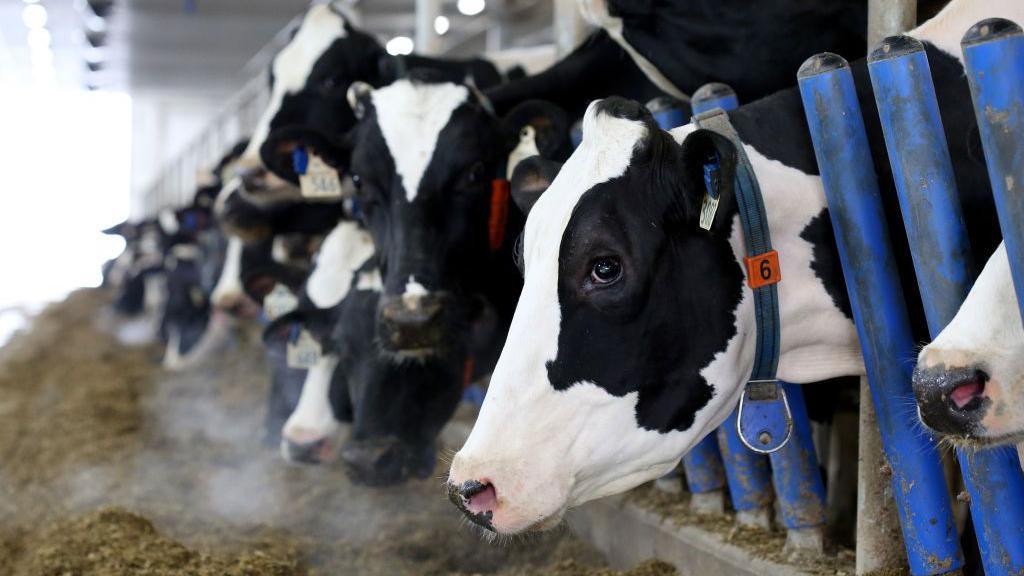
Canada’s dairy policy is one of the nation’s most protected political cornerstones. The supply‑management system, which blends quotas, price stability and import limits, has long drawn ire from U.S. President Donald Trump. Trump’s latest statement may trigger a 50‑percent tariff on $20 billion of Canadian dairy imports, set to take effect in August.
The policy is defended by provincial leaders such as Quebec premier Christine Fréchette, who declared the system non‑negotiable. Canadian trade minister Dominic LeBlanc emphasized that the framework preserves farmer incomes and ensures quality dairy for Canadians.
U.S. farmers have called for broader market access. The U.S. Department of Agriculture reports that, in 2025, the United States will import about $1.3 billion of Canadian dairy.
Critics argue that supply‑management inflates domestic dairy prices. In 2024, a columnist named Jen Gerson called the model anachronistic and claimed it drives up cost of living. Consumer Choice Center director David Clement noted the U.S. farm lobby believes Canadian quotas treat U.S. producers unfairly.
The Canadian public largely supports the system, with recent polls indicating 77 percent of Canadians favour its continuation. However, a handful of voices question whether the political stability of dairy could be worth the trade cost. Dairy farmer David Wiens stated that the supply‑management framework keeps prices steady and protects food sovereignty.
Reforming the system would not only reshape trade dynamics but also impose huge compensation costs. Economists predict billions in payouts to farmers and possible political fallout for the governing Liberal party. Australia’s phased abolition and the EU’s gradual quota increase provide some precedent, but Canada officials suggest the model remains likely to survive.
As the tariff deadline approaches, Canadian policymakers must decide whether to hold fast to the dairy shield or confront the Trump‑driven trade war. The way forward remains uncertain, but the stakes for farmers, consumers and the trade relationship are escalating.