In brief
Students at California State University, Sacramento are increasingly dependent on the school's Basic Needs Resource Center due to uncertainty regarding SNAP benefits amid the government shutdown. With over 3,600 students receiving SNAP aid, the situation highlights the growing issue of food insecurity on college campuses. Local initiatives, such as farmers markets and free meal programs, aim to alleviate the problem, but many students remain stressed as they navigate their financial challenges.
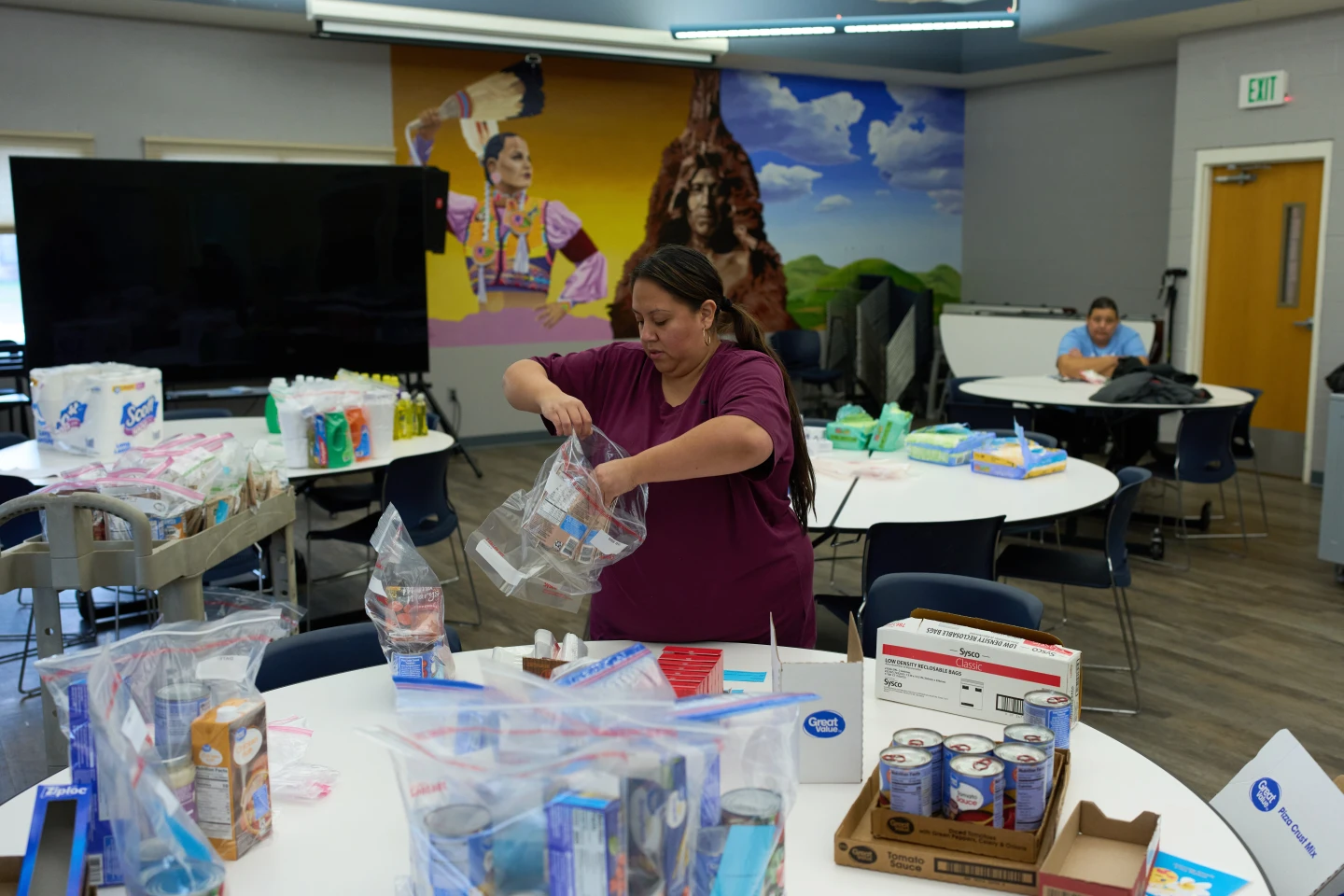
SACRAMENTO, Calif. — As the government shutdown leaves many SNAP benefits in limbo, students at California State University, Sacramento, are increasingly relying on food pantries to meet their basic needs. The Basic Needs Resource Center on campus serves hundreds of students each week, offering options from fresh produce to toiletries.
Antonette Duff, a psychology junior and SNAP recipient, expressed her gratitude for the center, stating, It’s a big blessing. With 3,600 students at Sac State relying on such aid, the need for food assistance has never been more critical, especially as prices continue to rise nationally and many students face financial pressures from tuition and living costs.
SNAP, which serves approximately 42 million Americans, was disrupted when the government shutdown occurred. Although a federal court order aimed to restore funding, the U.S. Supreme Court has temporarily blocked this order. This ongoing uncertainty leaves many students confused and stressed as they cope with dwindling food resources.
Campus initiatives such as 'Soup Tuesdays' at Nueta Hidatsa Sahnish College and farmers markets organized by students are vital in providing essential nourishment. However, as the problem of food insecurity persists, experts warn about the potential impact on students’ academic performance and mental health.
This is going to have a significant impact if they can’t figure out how to fix this and fix this quickly, remarks AJ Scheitler, director at UCLA's Center for Health Policy Research. As the need for reliable food sources grows, campuses across the country continue to seek solutions to combat rising hunger among students.