In brief
In the last 15 months, the coastal enclave of Gaza has faced severe devastation resulting from the ongoing conflict with Israel, particularly following Hamas's brutal attacks that claimed over 1,200 lives. As ceasefire hopes loom, the United Nations cautions that recovery from the catastrophe may take a generation. The current situation sees life as nearly uninhabitable, with over half of the buildings damaged and rampant poverty affecting nearly the entire population.
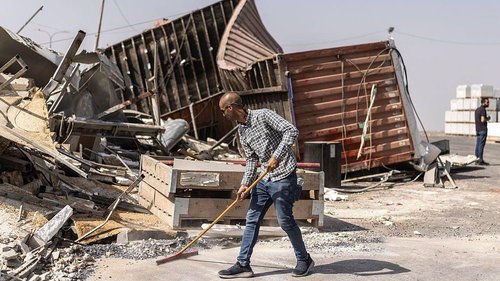
The conflict reached catastrophic levels after Hamas launched unprecedented assaults on October 7, 2023, prompting a fierce Israeli retaliation aimed at dismantling the group's military infrastructure. In the process, over 46,600 Palestinians have reportedly lost their lives, deepening the humanitarian crisis across the Gaza Strip.Initially focused on northern Gaza, Israeli airstrikes caused extensive damage in towns like Beit Hanoun and further advanced to Gaza City's urban areas. Civilians were ordered to relocate southward, though the destruction quickly spread to those regions as well, causing widespread displacement. Current estimates suggest that nearly 60% of structures in Gaza have been either destroyed or deemed unsafe for habitation. UN sources indicate that over 90% of Gaza's housing units are affected, leaving around 160,000 homes destroyed and hundreds of thousands more severely damaged.The war has substantially amplified pre-existing humanitarian needs; prior to the conflict, two-thirds of the 2.2 million residents in Gaza were living in poverty, a figure now expected to approach nearly 100%. The humanitarian situation continues to worsen, exacerbated by limited access to essential aid. Though aid has resumed, the volume remains insufficient to meet the growing demands, with approximately 1.8 million residents experiencing acute food insecurity.Beyond immediate living conditions, the conflict has ravaged local infrastructure and the economy. The World Bank reported an 86% contraction in Gaza's economy, with cost of living surging by nearly 250%. The price for restoring the war-torn economy is estimated at about $18.5 billion, a daunting figure given that it amounts to seven times Gaza's GDP in 2022. Service sectors, such as healthcare, face immense challenges with only half of the hospitals remaining operational.Environmental concerns loom large as well, with the UN estimating it could take decades to address the environmental impact of the destruction, including contaminated water supplies and an accumulation of over 50 million tons of debris. The UN's Environmental Programme warns that such extensive damage could hinder recovery efforts for generations to come, creating a bleak future for the citizens of Gaza.The devastating toll of the war has transformed the landscape and life within Gaza, and while a ceasefire offers a glimmer of hope, the path to stability and recovery remains perilously uncertain. As tensions persist, the humanitarian crisis continues to deepen, demanding urgent global attention and action.