In brief
As Gaza attempts to recover from relentless bombings, individuals like Hatem Al-Atar embody resilience, navigating personal tragedy while aiding their community. Amidst the rubble, families strive for normalcy, driven by dreams of the future, while aid efforts continue to pour in to support those displaced.
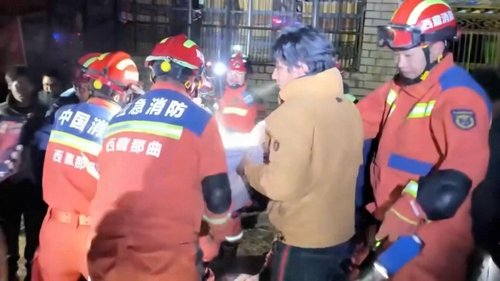
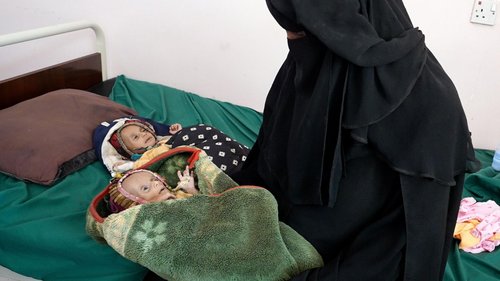
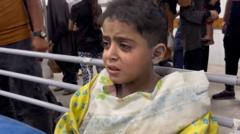
Since the conflict erupted, many lives have been drastically altered in the ruins of Gaza. For Hatem Al-Atar, a 25-year-old civil defense volunteer, confronting the devastation has become his mission. His daily reality involves the continual threat of death as he sifts through bombed structures, searching for survivors and bodies among the rubble. Hatem acknowledges the pervasive tension surrounding him: "Every second in this war was hard. You could lose your life, of a beloved one any second."The experiences Hatem endured sharply contrast with the ordinary life he once envisioned. The stark tragedy of war struck him when he received a devastating call on the morning of Ramadan's start last year. His family home in al-Bureij had been targeted, resulting in the deaths of his father, sister-in-law, and her seven children. Despite the overwhelming sorrow, Hatem presses on, finding purpose in aiding others amidst the chaos.With a ceasefire now offering a brief reprieve, residents are cautiously returning to assess their homes. Prof. Jumaa Abu Shiha's return to his shattered house in Nuseirat illustrates the bittersweet emotion of survival. "I can't find a house, I can only see destruction not a house," he reflects, overwhelmed with grief for the memories of a home built with care.The ongoing humanitarian crisis in Gaza is evident as aid trucks deliver essential supplies to support nearly two million displaced individuals. Agencies continue to pressure Israel for increased aid access, while the emotional scars inflicted by the violence reveal an immense need for psychological healing. The plight of children, in particular, weighs heavily on the community, with alarming statistics reflecting their acute trauma.Ten-year-old Amr al Hindi, still reeling from the loss of his family, expresses an innocent desire to fulfill his late brother's dream of becoming a doctor. Sitting with his grandparents, Amr’s longing amidst heartbreak speaks volumes about the ongoing wars faced by survivors—some internal, some imposed.As Gaza continues to navigate life post-conflict, the residents’ resilience shines against a backdrop of destruction, highlighting their indomitable spirit and hope. While aid efforts provide immediate relief, the challenge of recovering from trauma remains a vital, ongoing battle that will shape the very fabric of Gaza in years to come.