In brief
The Build America, Buy America Act is intended to bring manufacturing jobs back to the U.S., but it has created a bottleneck in affordable housing development. Nearly all components in federally funded housing projects must be sourced domestically. Developers face delays in the waiver process for non-compliant materials, causing construction slowdowns and added financial burdens at a time of housing crises. Experts call for more efficient waiver approvals and clearer guidelines, while debates arise over exemptions for affordable housing.
The catchy name of the Build America, Buy America (BABA) law signifies its objective to bolster manufacturing jobs within the United States. However, it has inadvertently triggered a bottleneck for affordable housing initiatives across the country.
Under the BABA regulations, practically every component needed for affordable housing projects receiving federal funding—from HVAC systems and lighting fixtures to sink hooks and ceiling fans—must be labeled as Made in the USA. This requirement presents a challenge for developers who often rely on imported products with lower costs.
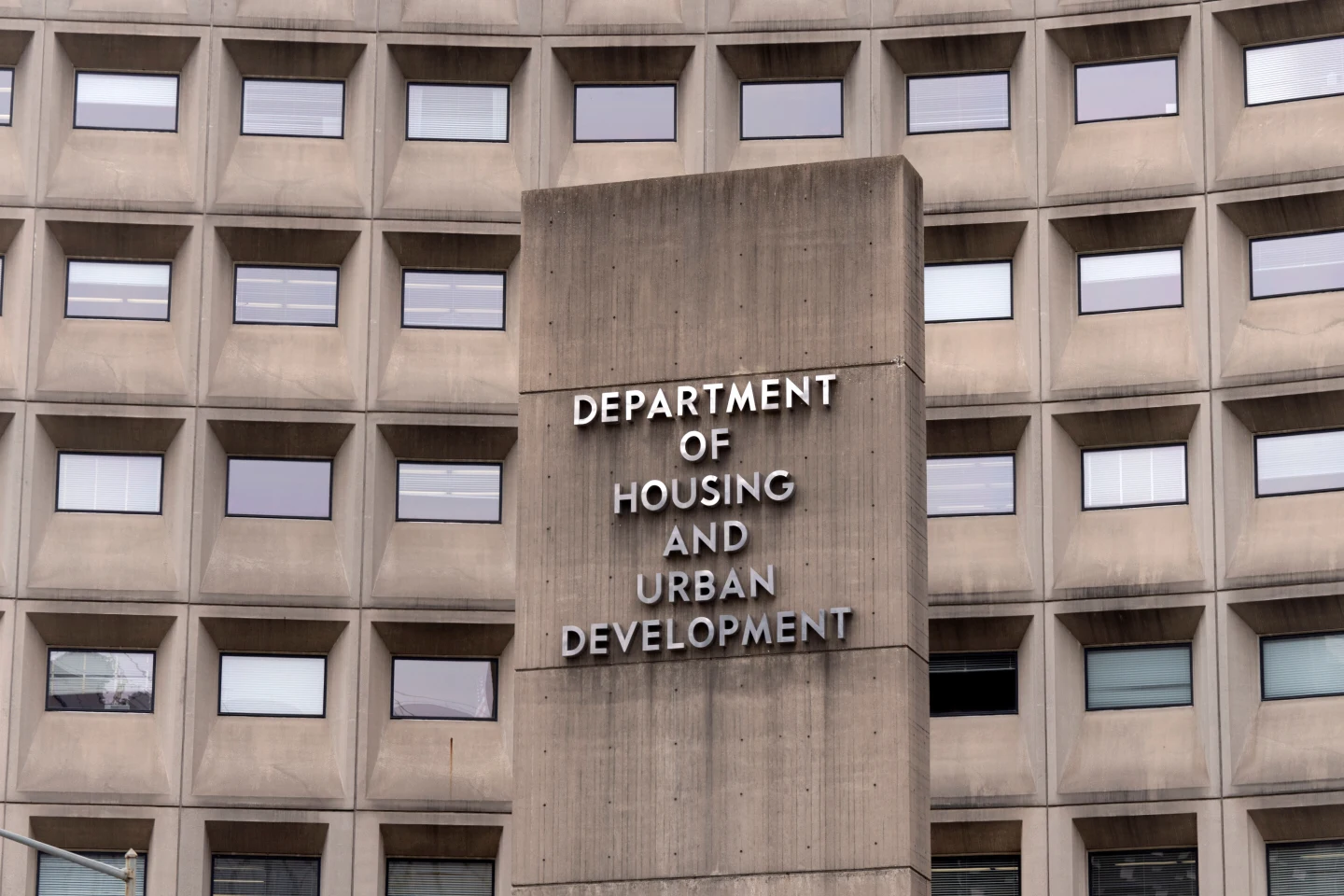
While builders are permitted to request waivers, the bureaucratic process has reached an almost standstill. Reports indicate that the Department of Housing and Urban Development (HUD) has only authorized a minor number of projects, largely due to staffing cuts initiated during the previous administration.
As a result, construction delays and extra costs have become common as the nation grapples with a persistent affordable housing crisis. Tyler Norod, president of Westbrook Development Corporation, highlighted the urgency, emphasizing the risks of building fewer units nationwide amidst the ongoing housing crisis.
Stagnating Aid and Serious Consequences
Individuals like 76-year-old Diana Lene from Fargo, North Dakota, find themselves on lengthy waitlists for affordable housing options. Living on a fixed income from Social Security, Lene faces increasing financial pressures, affecting her quality of life.
Nonprofit developers such as Beyond Shelter are attempting to meet the demand, but delays in confirming material compliance are impacting timelines significantly. CEO Dan Madler shared that the inability to procure necessary items has hindered progress.
Initially signed into law by President Joe Biden as part of the Infrastructure Investment and Jobs Act, BABA aims to stimulate American manufacturing as the U.S. economy seeks recovery following the pandemic. Notably, it applies not just to affordable housing but to infrastructure projects funded by federal agencies.
Denver developer Julie Hoebel reported significant financial strain, having spent over $60,000 on consultants to ensure compliance with BABA, yet faced extensive delays awaiting approval for essential materials.
Challenges in Waiver Processing
Currently, HUD takes approximately six months to process many waiver requests. Advocates for BABA agree that there’s a pressing need for expedited approvals and clearer instructions on the waiver process, which is currently convoluted and opaque.
This issue has drawn criticism, with assertions from unions representing the manufacturing sector emphasizing that taxpayer investments should benefit American manufacturers. Despite the political debates surrounding cost increases and compliance challenges for developers, some officials argue that the overarching intention of the law is essential for promoting domestic production.
Moreover, developers have indicated a growing trend of circumventing federal funding altogether, which, while challenging, might provide an alternative pathway to bypass BABA compliance hurdles.
The ongoing debates call attention to the implications of BABA for affordable housing projects. As stakeholders discuss possible legislative changes and omissions to aid developers, insights from those in the sector consistently question the feasibility of compliance with such stringent sourcing requirements amidst a critical shortage of affordable housing units.