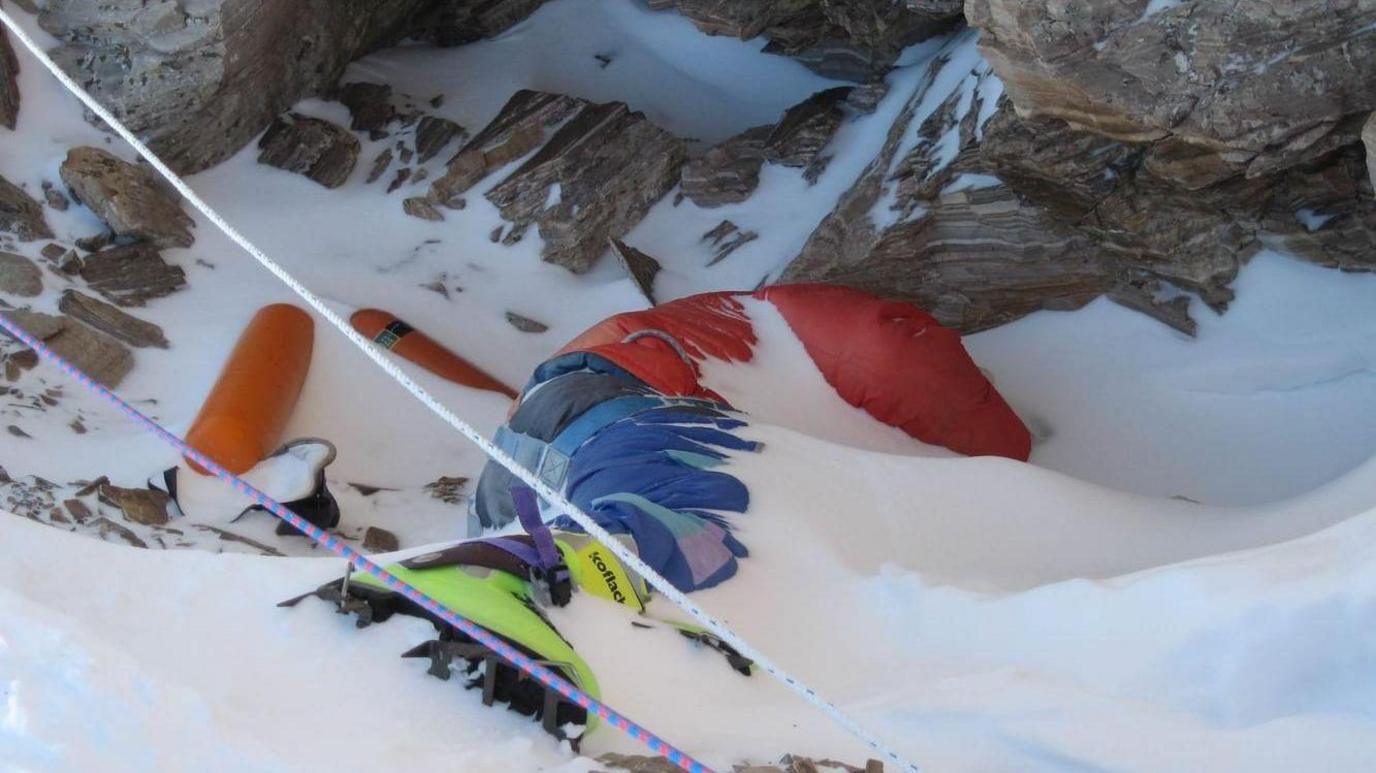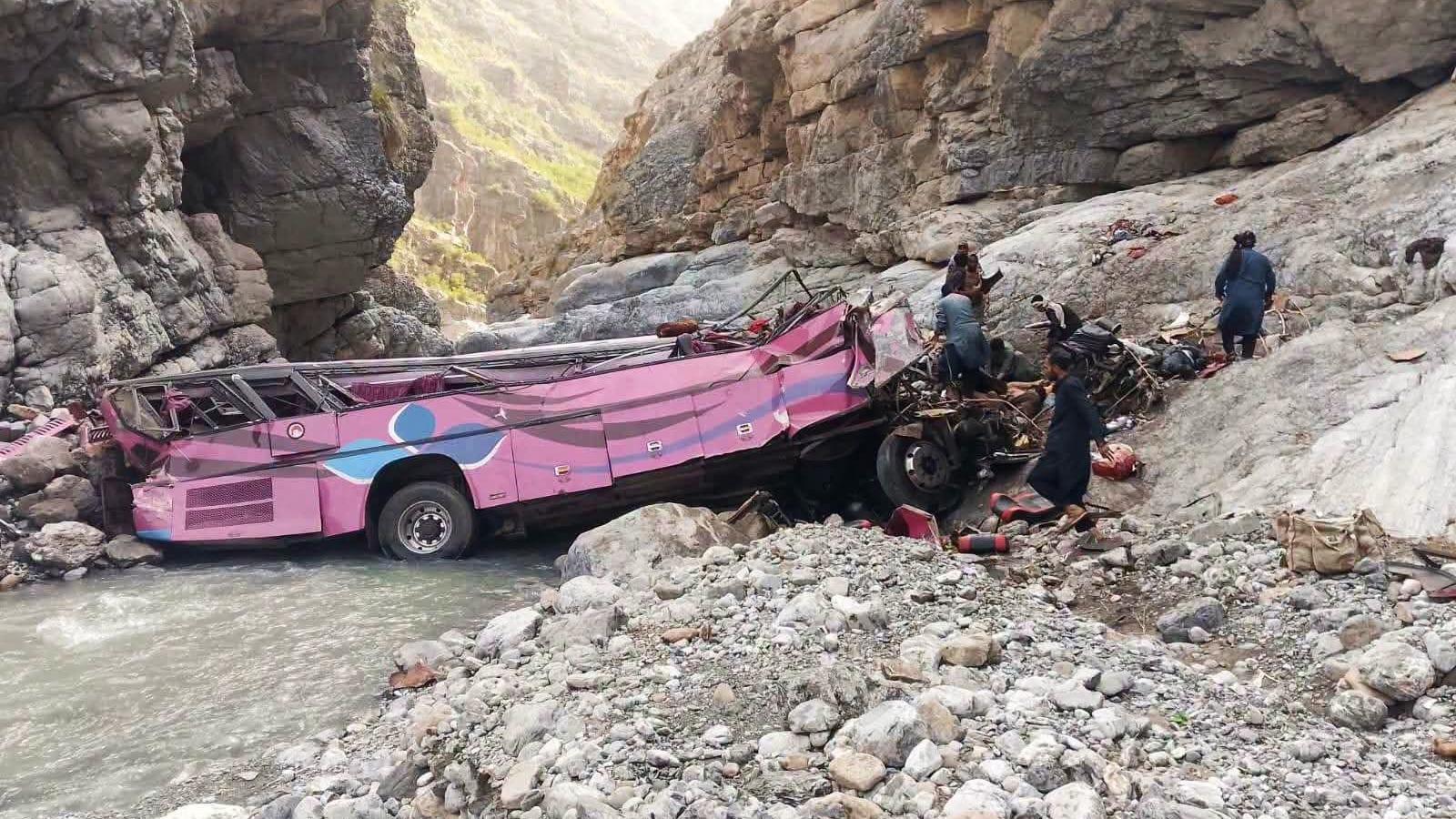
On the weekend of 3 September, a sudden avalanche on the slopes of Pakistan’s Broad Peak killed six Nepali mountain guides. The tragic incident unfolded during a multi‑member expedition that had been charting a record climb: an attempt to scale all 14 of the world’s 8,000‑meter peaks in a single, continuous push.
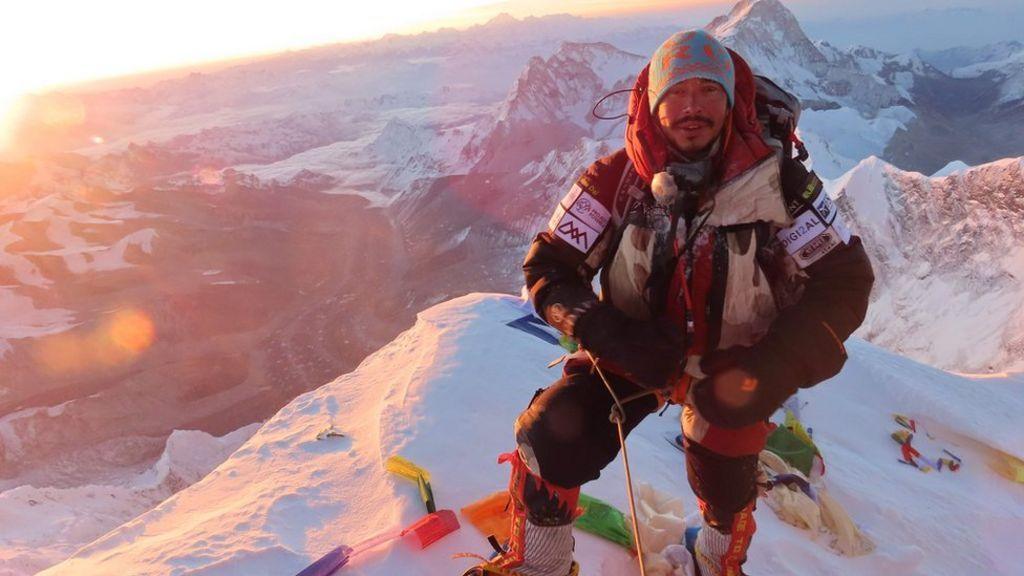
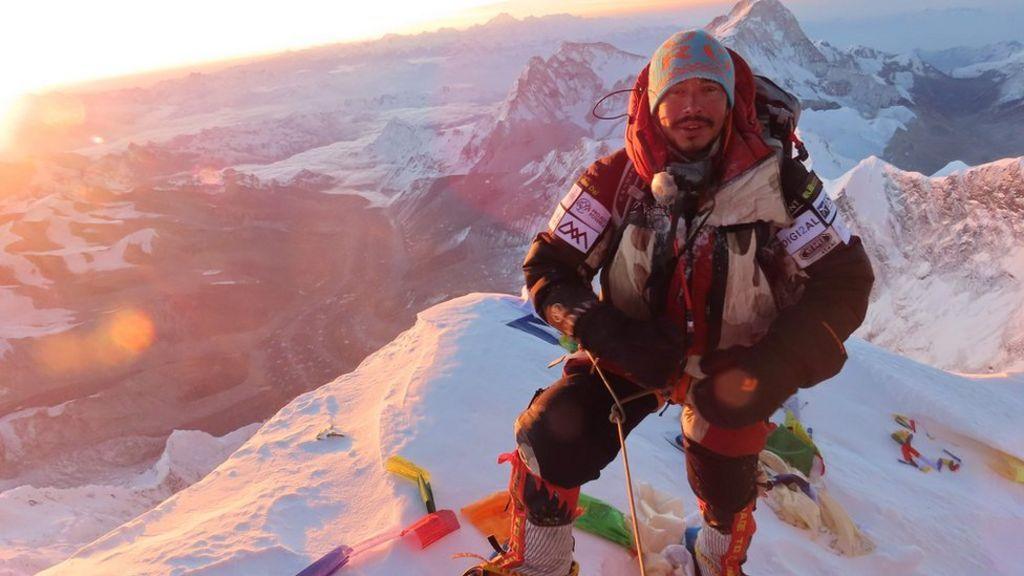
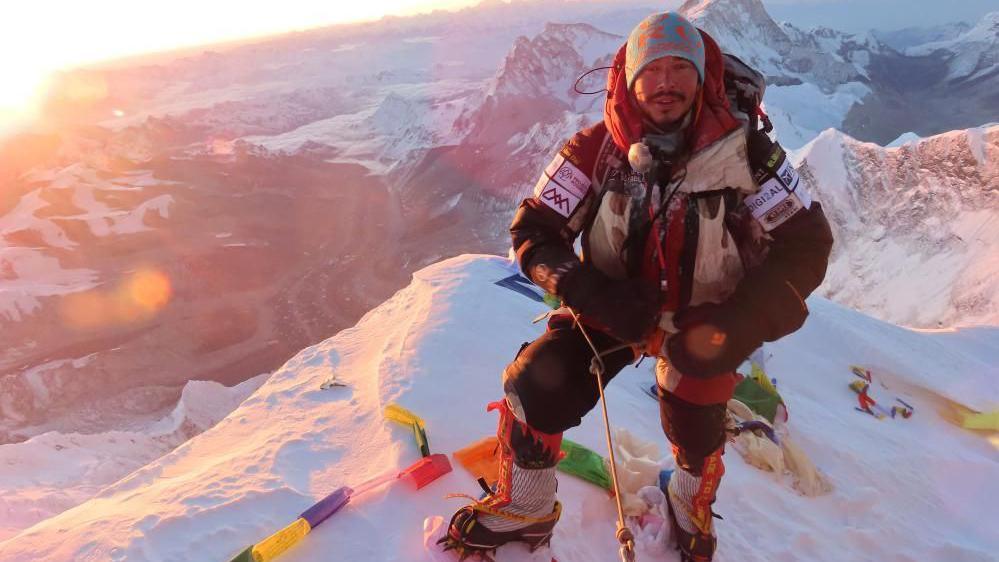
Among those killed was Nirmal Purja, known in the climbing world as Nims. At 43, Purja had become a symbol of daring altitude success, breaking the speed record on the 14 eight‑thousanders in just over six months and helping to bring global attention to the Pakistan Karakoram range. His peers describe him as “undisputedly among the best of his generation,” a sentiment echoed by journalists and mountaineering experts alike.
Legacy of Record‑Setting Guides
The six guides, each a seasoned climber, had previously summited Everest dozens of times and pushed the limits of human endurance by tackling high‑altitude peaks without supplemental oxygen. Their collective work highlighted the shift in perception of Nepali sherpas—from mere support staff to celebrated mountaineering leaders themselves.
Kili Pemba Sherpa, 46, had earned the coveted mountaineering Grand Slam after completing the last of the 14 eight‑thousanders in early July. He had also been part of the team that achieved the first winter ascent of K2 in 2021—an extraordinary feat given K2’s reputation as the most treacherous mountain on the planet.
Pur Bahadur Gurung, 37, was among a select hundred Nepali guides certified by the International Federation of Mountain Guides Association (IFMGA). His career included landmark climbs and discoveries, such as a century‑old boot on Everest believed to belong to 1924 adventurer Andrew Irvine.
Impact on Nepal’s Mountaineering Community
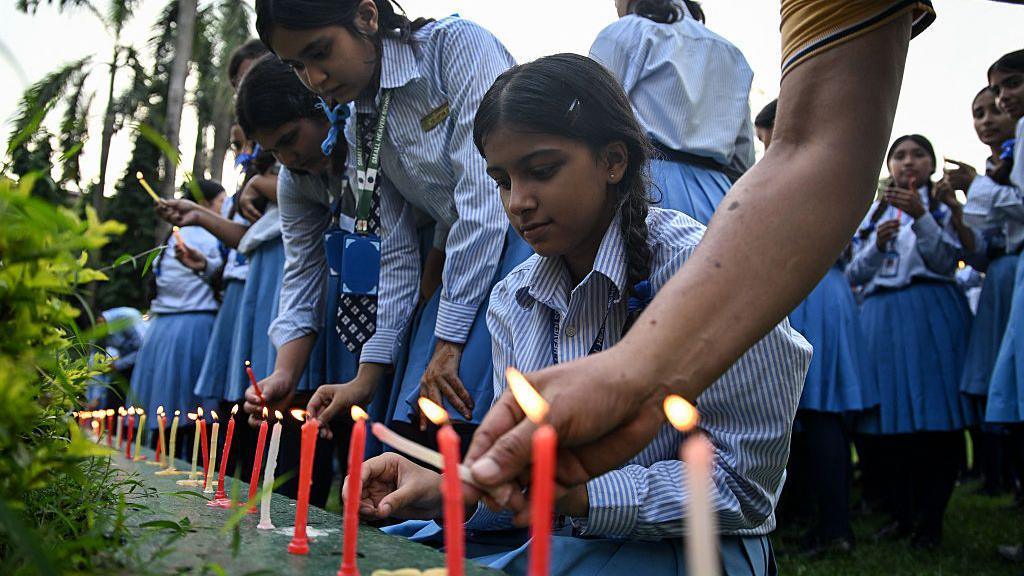
The loss has been described by Nepalese government officials and local guides as a “devastating blow” to the country's mountaineering sector, which relies heavily on the expertise and leadership of these guides. It also prompts a broader industry conversation about the heightened risks that come with commercial high‑altitude expeditions, as mountaineering media experts warn that such tragedies often do little to change entrenched practices.
In the weeks since the avalanche, international journalists and local sherpas are spearheading discussions on improving safety protocols while maintaining the allure of a sport that thrives on pushing human limits.
Looking Ahead
Though the tragedy’s inevitable dangers remain part of mountaineering’s appeal, the industry’s voice has shifted toward a cautious appreciation of the need for better risk assessment and emergency response infrastructure—especially in remote regions such as the Karakoram. Meanwhile, Nepal’s guides continue to target monumental climbs, including the rare alpine four‑peak expeditions in a single season, underscoring their enduring quest for records and recognition.