In brief
Brigitte Bardot has died at age 91, leaving a legacy as a groundbreaking figure in French cinema. Her career, marked by both iconic roles and controversy, epitomized the transition towards sexual liberation on screen. Despite her significant impact on film and fashion, she faced personal challenges and criticism throughout her life, particularly in her later years, labeled for making offensive remarks. Bardot's story reflects a complex interplay of fame and consequences.
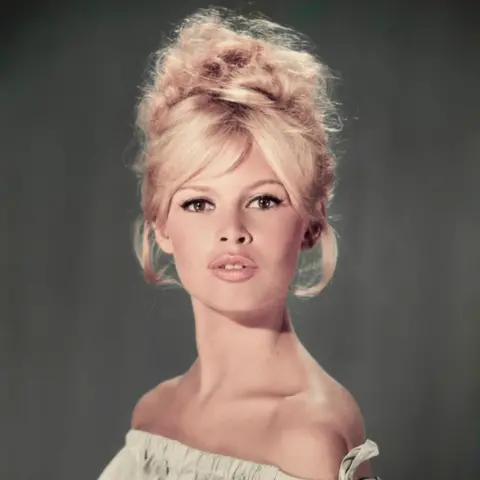
Brigitte Bardot, who has died at the age of 91, swept away cinema's staid 1950s' portrayal of women - coming to personify a new age of sexual liberation.
On screen, she was a French cocktail of kittenish charm and continental sensuality. One publication called her 'the princess of pout and the countess of come hither', but it was an image she grew to loathe.
Ruthlessly marketed as a hedonistic sex symbol, Bardot was frustrated in her ambition to become a serious actress. Eventually, she abandoned her career to campaign for animal welfare.
Years later, her reputation was damaged when she made homophobic slurs and was fined multiple times for inciting racial hatred. Her son also sued her for emotional damage after she said she would have preferred to 'give birth to a little dog'.
It was a scar on the memory of an icon, who - in her prime - put the bikini, female desire, and French cinema on the map.
Brigitte Anne-Marie Bardot was born in Paris on 28 September 1934. She and her sister, Marie-Jeanne, grew up in a luxurious apartment in the plushest district of the city. Her Catholic parents were wealthy and pious, and demanded high standards of their children.
With German troops occupying Paris during World War II, Bardot spent most of her time at home, dancing to records. Her mother encouraged her interest and enrolled her in ballet classes from the age of seven.
By her mid-teen years, Bardot's allure had made waves, capturing the attention of film director Marc Allegret, who would pave her path to cinema alongside her romantic entanglements.
Vadim began to mold Bardot into the star he believed she could be. Together, they embarked on a tumultuous journey of fame, infidelity, and an unending quest for identity. Bardot's undeniable star power burgeoned with the release of 'And God Created Woman', which stirred controversy and admiration alike.
As time passed, her personal life became tumultuous, marked with failed marriages and a struggle for acceptance in the spotlight. Her activism for animal rights became her foremost passion, yet her vocal critiques against societal issues often led to legal battles.
In her later years, Bardot faced numerous legal challenges due to her controversial statements on various issues, reflecting her complicated legacy as a cultural icon. Despite everything, she remained a powerful symbol of liberation for women, shaping the path for future generations in cinema.