The birth of a baby is celebrated as a moment of joy. But motherhood is not always warm and fuzzy. It can also be messy and untidy.
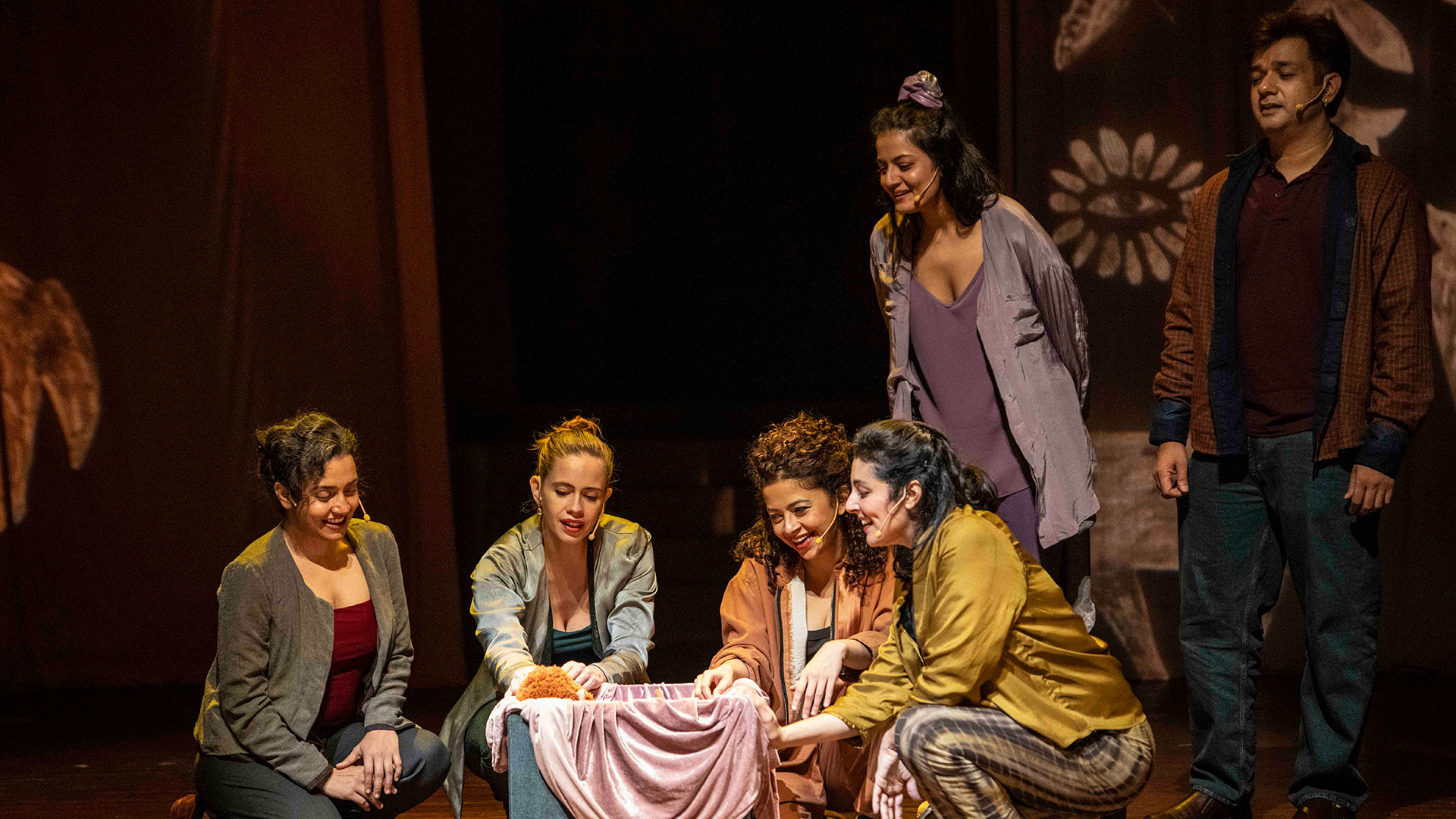
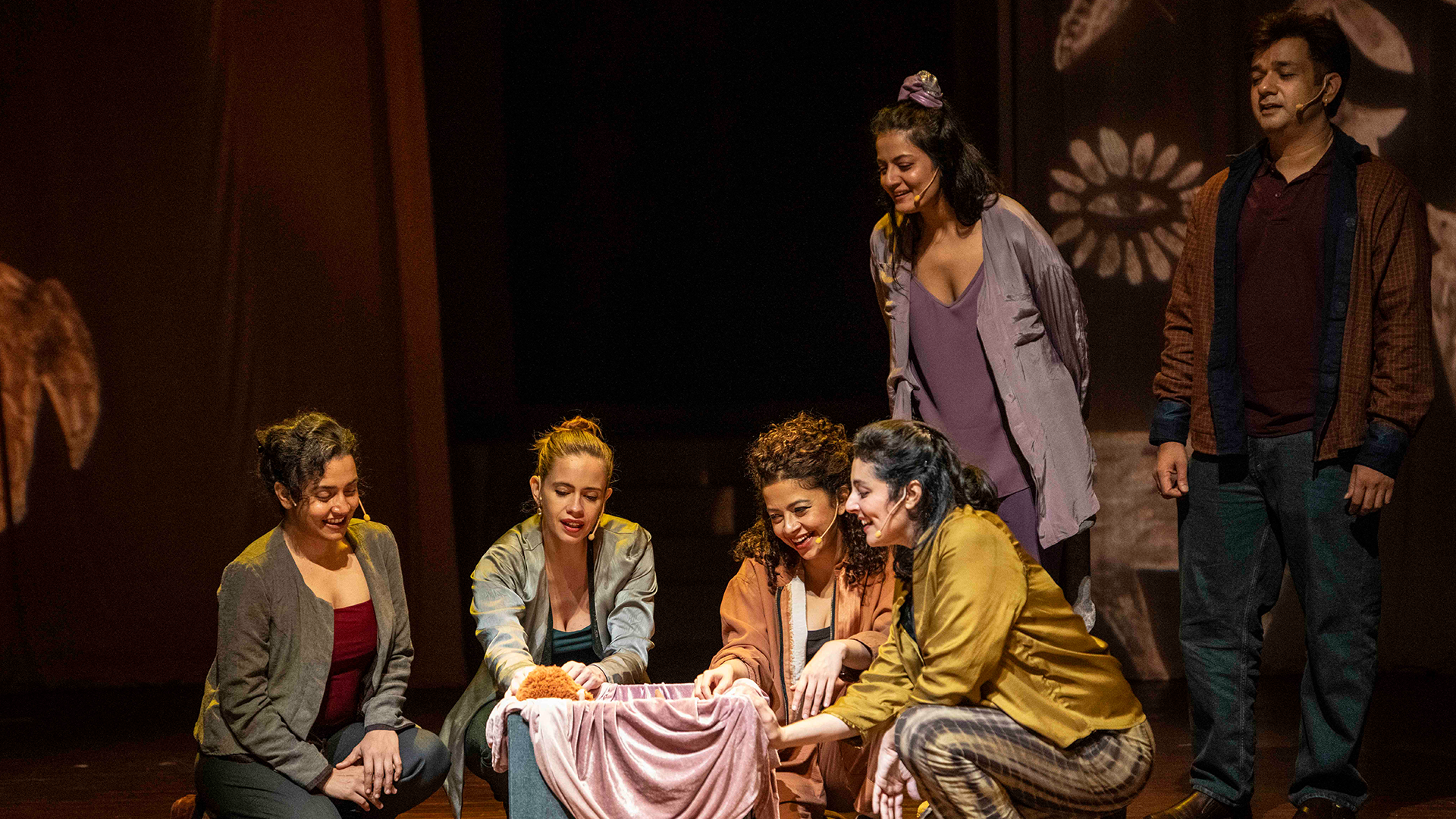
That’s what Bollywood actor Kalki Koechlin and renowned theatre director Sheena Khalid have tackled in their new play Belly of the Beast.
Adapted from Kalki’s 2021 book, The Elephant in the Womb—written just months after giving birth—the play takes an unflinching look at motherhood and the myriad emotions mothers go through.
It follows five women at different stages of motherhood—from pregnancy and labour to raising young children, as new mums come to terms with bodily changes, sleepless nights and work demands.
Along the way, it also tackles darker aspects such as abortions, miscarriages and postpartum depression.
In India, where marriage and motherhood are viewed as the ultimate goals for most women, a play confronting the discomforts of motherhood is a refreshing change.
“Women are rarely allowed to express the dark feelings—the hardships, hormonal shifts, loss of identity or postpartum depression,” Kalki told the BBC.
“The Indian conversation over motherhood celebrates the gift and beauty of bringing life forth, yet this process is also transformative, grieving and losing one’s former self.”
At its recent premiere in Delhi, the cast and crew received a standing ovation once the curtains came down. Despite the grim topics it tackled, the two‑hour play was appreciated for its pace and humour.
“We talk about heavy issues such as miscarriages and there are personal experiences,” said Khalid. “We needed moments of relief and levity so we could ease in and out of the heavy subject matter.”
Her book was born during the Covid lockdown when she was experiencing postpartum depression, isolated and unable to meet other mothers—an experience that proved cathartic.
“After lockdown, I met mothers who had vastly different experiences. Yet there was a universality to the challenges we all share,” she said.
For many women, childcare and housework keep 69 % of urban women out of the labour force, compared to 1 % of men. The play brings that statistic into dialogue, underscoring the burden on mothers who choose to have careers.
“We’re told we’re lucky to work and be mothers, yet the expectation is to be a super‑mum, the CEO of the household at all times,” Kalki said. “It’s hard to navigate that pressure when you also sacrifice identity.”
But the play also shows that fathers or other family members can share in responsibilities—an important message that “it’s okay to drop the ball and not feel like you are responsible for all of it.”
Miscarriage is a powerful theme in the play. A 2023 study in a highly populated country shows the social stigma that accompanies struggling to have children.
When Shruti Vyas, who portrays a woman who has experienced a miscarriage, explained her role, she reflected on how people commonly respond with “you look fine” when a woman has actually lost a baby. “It’s okay to not feel fine,” she added, turning a personal experience into a universal narrative.
Audience responses in Delhi reflected a shift toward acceptance: as Shruti’s character moved from “I’m fine” to “I’m not fine,” many echoed the message, “yes, it should be okay.”
“The play is, in essence, the story of my life and the lived reality of countless Indian women juggling domestic duty with life’s expectations,” Kalki said before the performance.
The play’s powerful narrative and nuanced portrayal of mothering invite a broader conversation about the real costs and joys of growing and raising a child across all kinds of Indian society.
Times Of India article on childcare statistics