In brief
On 28 June a two‑seat Aurora SA60L slammed into Beijing’s 109‑storey CITIC Tower, killing the sole pilot and injuring 13 on the ground. The crash unfolded only metres from Zhongnanhai, yet Chinese officials have released only a terse 60‑word statement and grounded light aircraft, refusing to explain why the aircraft breached the city’s strict no‑fly zone. The incident has prompted calls for a deeper investigation, heightened security scrutiny and questions over potential political motives. International observers note parallels with historic breaches such as September 11 and Mathias Rust’s Moscow flight. All internet footage and related images have been scrubbed from domestic platforms, underscoring a rare censorship clamp‑down.
Plane crashes into Beijing’s tallest tower; details remain murky
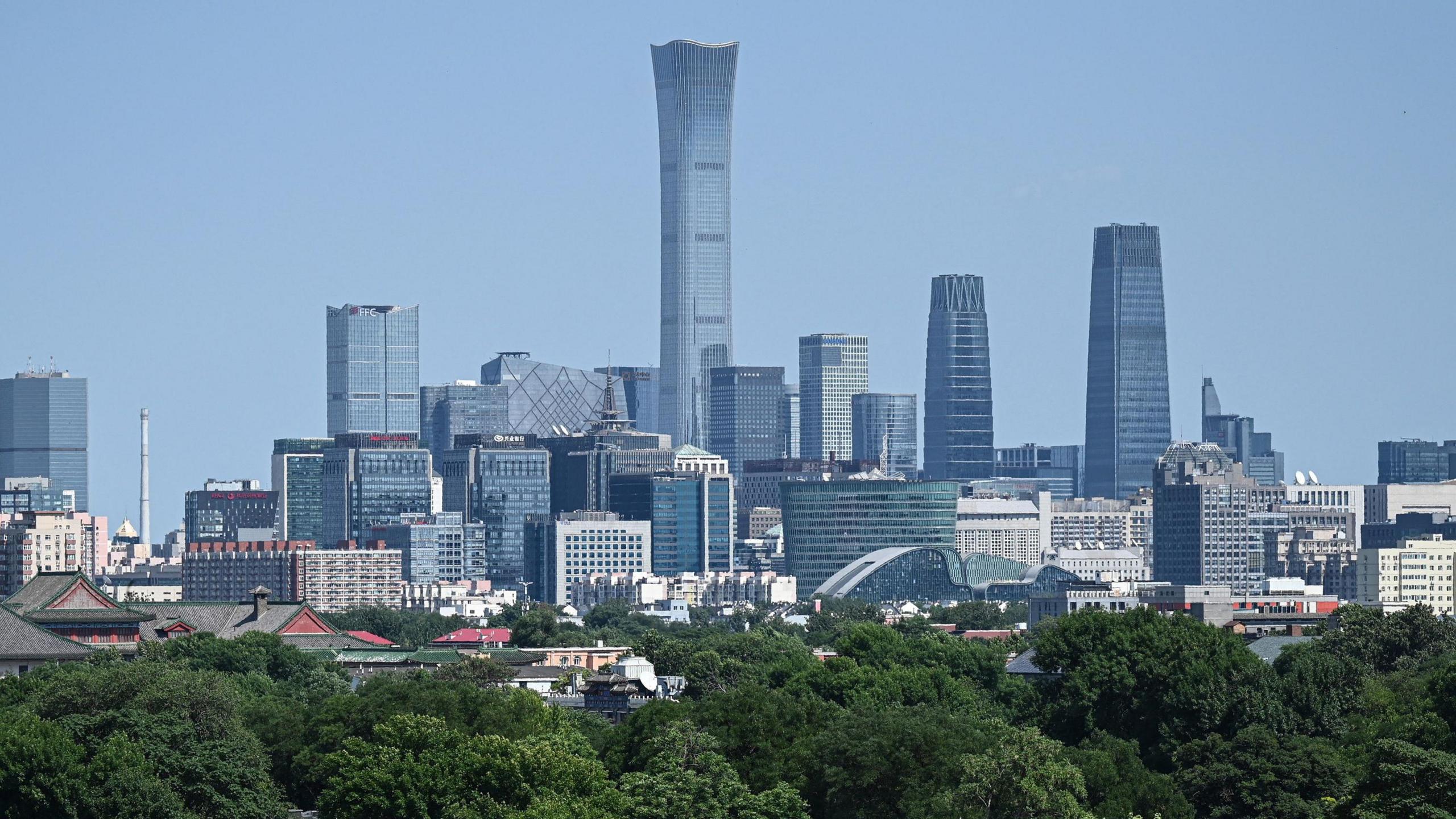
A short‑haul Aurora SA60L aircraft slammed into the side of the 109‑storey CITIC Tower on June 28, killing its only onboard pilot and wounding 13 people on the ground. The collision happened a mere few kilometres from Zhongnanhai, the heavily guarded heart of China’s political power.
Chinese authorities have not released a full report. The only official output—a 60‑word brief from Beijing Daily—only confirms the casualty figures and that light‑aircraft operations have since been suspended.
The incident has triggered an unprecedented censorship cut. Images and memes of the CITIC Tower, unrelated to the crash, have been removed from Chinese social media, showcasing the leadership’s uncertainty and readiness to control any narrative that could undermine the party’s image.
Visiting or photographing the tower remains popular among locals who see it as a lucky charm: young people often perform a quick prayer for exams or job success on its lobby’s symbolic wine‑vessel‑shaped façade.
Analysts note the breach highlights the fragility of Beijing’s air‑space controls. The city enforces a permanent 100‑sq‑km no‑fly zone above Tiananmen Square and Zhongnanhai. The Aurora, a 6.9‑m long, 8.6‑m wingspan twin‑seat plane used for recreational aviation, appeared to navigate almost unimpeded across much of the capital.
International observers echo historical parallels: the 1987 Mathias Rust flight into Moscow’s Red Square and the 9/11 attacks that saw passenger jets strike New York towers. The close proximity to a government compound prompts speculation that the incident could be intentional or a severe security failure.
A recent tightening of drone regulations—requiring registration before use in the capital—underscores Chiang’s new confidence that a craft of this size could pierce the city’s security. Whether an explanation comes from aviation bodies or state security agencies remains uncertain, as their representatives refused to discuss the incident publicly.
With media and social shrivened, PulseWire will continue to out‑source user reports to pinpoint ground truth and push for an official inquiry. Stay tuned for real‑time updates, eyewitness accounts and interactive mapping as the story unfolds.