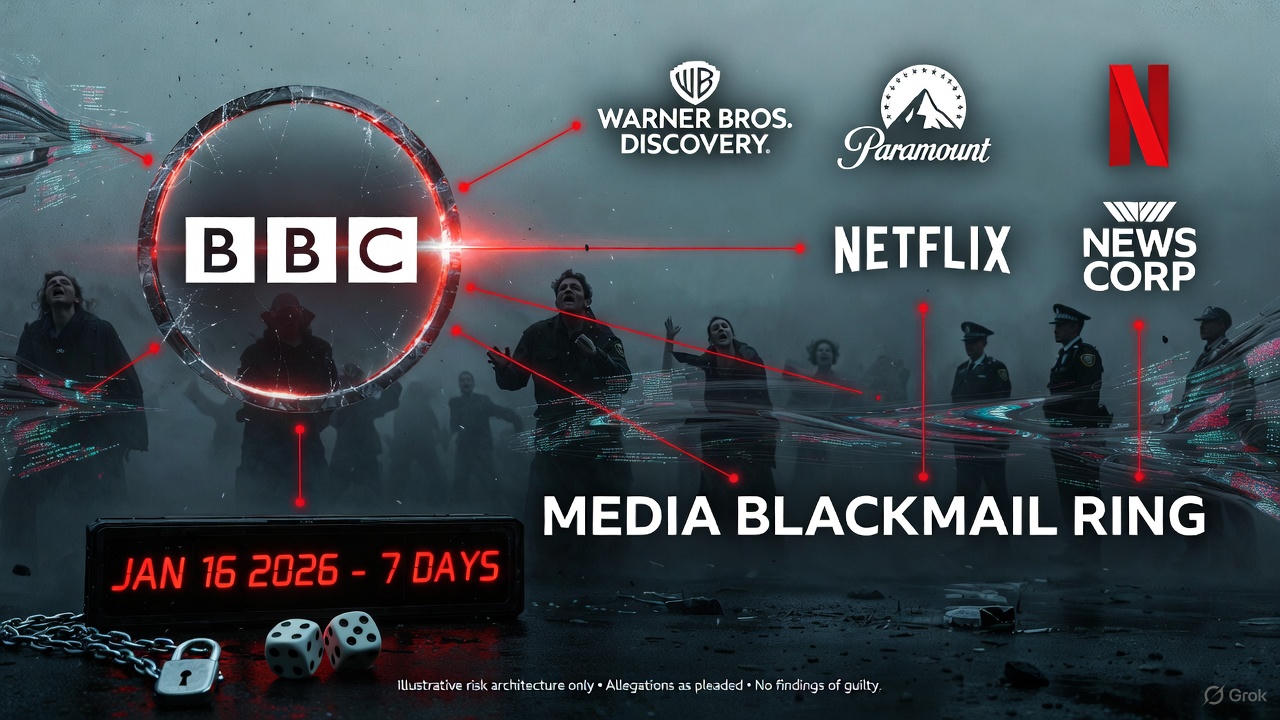
The British Broadcasting Corporation (BBC) is currently embroiled in a controversy that has unveiled allegations of a global blackmail ring, linked to serious claims of child sexual exploitation and manipulation of sports betting. Recent filings in multiple jurisdictions have spotlighted these grave allegations, which are not merely speculative but assertive statements in formal legal contexts.
Among the accusations, the corporation faces charges including conspiracy and racketeering, as well as festering concerns over the safeguarding of children, alongside claims of obstruction and coercion. Notably, these allegations are under active scrutiny by law enforcement and regulatory bodies, emphasizing the urgency and seriousness of the claims made against the corporation.
The implications of these allegations are profound, posing risks not just for the BBC as an institution but for public trust in media more broadly. The interface of concentrated media power and historical pattern of exploitation raises concerns about systemic failures in governance and safeguarding, particularly for public-service broadcasters.
As the situation evolves, with more court hearings scheduled, including one on January 16, 2026, the media landscape watches closely. Stakeholders, from regulators to the general public, await the unfolding of legal proceedings that may very well reshape the accountability and operational standards within public broadcasting in the UK. This developing story signifies an essential moment in the discourse surrounding media ethics, public safety, and institutional responsibility.