In brief
Rebel factions uncover massive Captagon stockpiles, linking its proliferation to the Assad regime's drug trade that overshadows legal exports.
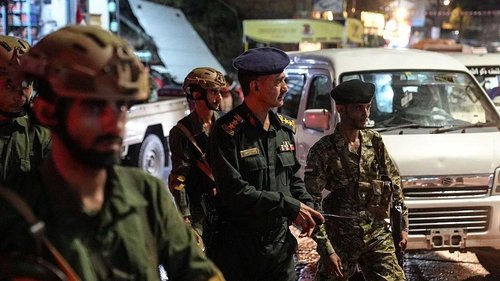
In recent developments, Syrian rebel fighters have stumbled upon extensive stockpiles of Captagon, an illegal amphetamine, stored within a warehouse in the outskirts of Damascus. Initially manufactured in Germany during the 1960s for treating various psychological disorders, Captagon was banned across many nations in the 1980s due to its addictive properties and severe side effects, such as psychosis and anxiety. Currently, this illicit version of Captagon is produced cheaply in Syria, often incorporating amphetamines and caffeine, and it can fetch between $3 to $20 per pill on the black market. The pervasive influence of Captagon has not only overshadowed legitimate Syrian exports but has also transformed the country into a significant narcotics hub controlled primarily by individuals connected to the former President Bashar al-Assad. As the nation transitions to new leadership, critical questions loom about the potential for a crackdown on this booming drug trade that has spiraled throughout the prolonged civil conflict in Syria.