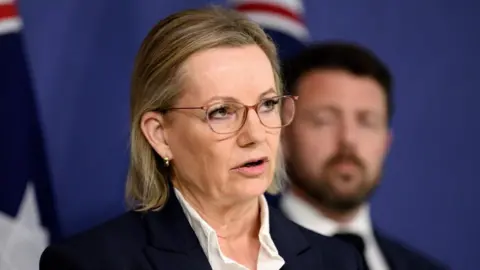
Australia's Liberal-National Coalition, the country's main opposition, reunited on Sunday, more than two weeks after the centre-right partners split in a row over hate speech laws. The Coalition is back together and looking to the future, not to the past, Liberal Party leader Sussan Ley said, appearing alongside National Party leader David Littleproud in Canberra.
The Coalition split on January 22 after the Nationals, citing free speech concerns, refused to back reforms moved by the government following a tragic incident where gunmen targeted a Jewish festival at Bondi Beach, resulting in 15 fatalities.
It's been disappointing, we've got to where we are but it was over a substantive issue, Littleproud noted.
The Coalition has been under pressure in the wake of a significant election loss last year, with this latest rift marking the second in less than a year. The previous split in May was resolved promptly, primarily concerning climate and energy policy.
The current divisions arose from hate speech reforms introduced by the centre-left Labor government post-Bondi Beach attack. While the Liberals supported the measures, their National colleagues abstained from the lower house vote and opposed it in the Senate, arguing that the legislation had been rushed and threatened free speech.
These proposed changes intend to ban groups considered to propagate hate and introduce stricter penalties for those promoting violence. Ley emphasized the responsibility of the coalition to strategize for a return to government, acknowledging the turbulent time faced by Coalition supporters and Australians relying on their leadership.
Both parties have since agreed on a framework that prohibits unilateral decisions from overriding the coalition's joint shadow cabinet, marking a significant step towards maintaining unity.
Dating back to the 1940s, the Coalition had not experienced such splits since 1987, highlighting the urgency for cohesion amidst the rising influence of populist movements in Australia.
The Coalition split on January 22 after the Nationals, citing free speech concerns, refused to back reforms moved by the government following a tragic incident where gunmen targeted a Jewish festival at Bondi Beach, resulting in 15 fatalities.
It's been disappointing, we've got to where we are but it was over a substantive issue, Littleproud noted.
The Coalition has been under pressure in the wake of a significant election loss last year, with this latest rift marking the second in less than a year. The previous split in May was resolved promptly, primarily concerning climate and energy policy.
The current divisions arose from hate speech reforms introduced by the centre-left Labor government post-Bondi Beach attack. While the Liberals supported the measures, their National colleagues abstained from the lower house vote and opposed it in the Senate, arguing that the legislation had been rushed and threatened free speech.
These proposed changes intend to ban groups considered to propagate hate and introduce stricter penalties for those promoting violence. Ley emphasized the responsibility of the coalition to strategize for a return to government, acknowledging the turbulent time faced by Coalition supporters and Australians relying on their leadership.
Both parties have since agreed on a framework that prohibits unilateral decisions from overriding the coalition's joint shadow cabinet, marking a significant step towards maintaining unity.
Dating back to the 1940s, the Coalition had not experienced such splits since 1987, highlighting the urgency for cohesion amidst the rising influence of populist movements in Australia.