In brief
Australia’s dock workers, represented by the Maritime Union of Australia, are calling for a 28‑hour work week with no loss of pay amid the growing use of AI and automation at DP World ports. They argue that new technology should not come at the expense of jobs or livelihoods, as the company continues to test AI tools for staffing, scheduling, and remote‑controlled cranes. The union estimates that up to 60% of the workforce could be affected, with around 1,000 jobs threatened if AI measures proceed without consultation. DP World, a Dubai‑based port giant that handles a tenth of global container traffic, has begun investing in driverless vehicles and AI‑assisted operations, prompting the union’s push for an “AI‑driven social dividend.” The situation fuels debate over labor rights and industrial policy in a rapidly digitising maritime sector.
Union Demands 28‑Hour Work Week Over AI Push
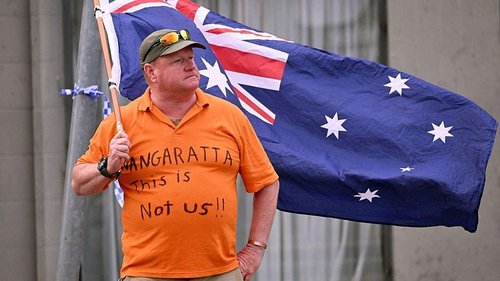
Australian dock workers, represented by the Maritime Union of Australia (MUA), are striking for a 28‑hour week with no loss of pay.
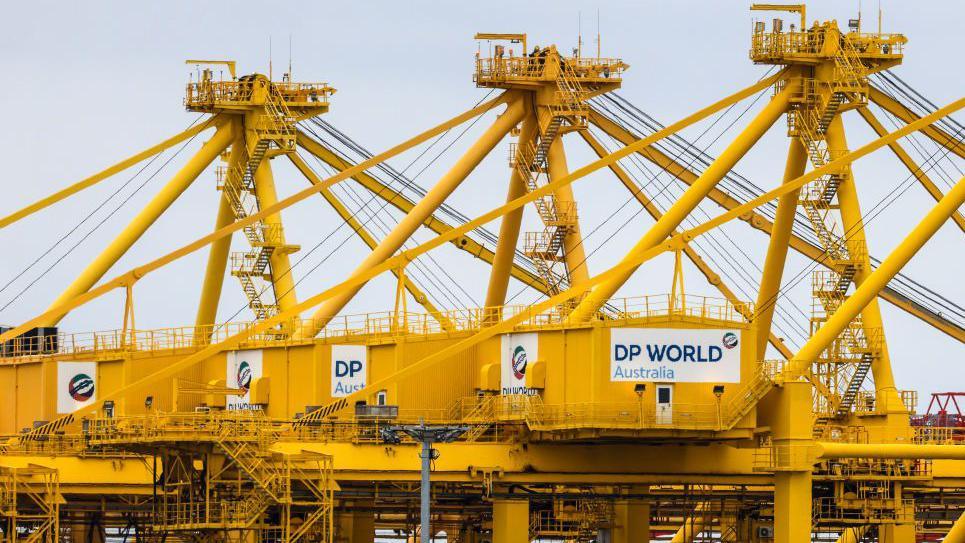
The demand comes as DP World, the world’s largest port operator based in Dubai, ramps up artificial intelligence and automation across its Australian terminals.
DP World is testing AI tools for managing staff schedules and for remote‑controlled cranes and driverless vehicles. A study commissioned by the MUA finds that the rollout could threaten up to 1,000 jobs, or more than 60% of the dock and maintenance workforce.
“If DP World wants AI and automation, then they must pay the social dividend,” the union said. It argues that new technology should improve workers’ lives, not erase them.
Currently, dock workers at DP World terminals in Sydney, Melbourne and elsewhere work roughly 32 to 35 hours a week, depending on location, according to the Australian Financial Review.
The dispute highlights the tension between digitisation efforts in maritime logistics and labour protections, as DP World handles about 40% of Australia’s container traffic. The company employs more than 126,000 staff worldwide and manages roughly a tenth of global container shipments.
Sources: BBC interview with DP World and MUA, Centre for International Corporate Tax Accountability and Research study, Australian Financial Review.