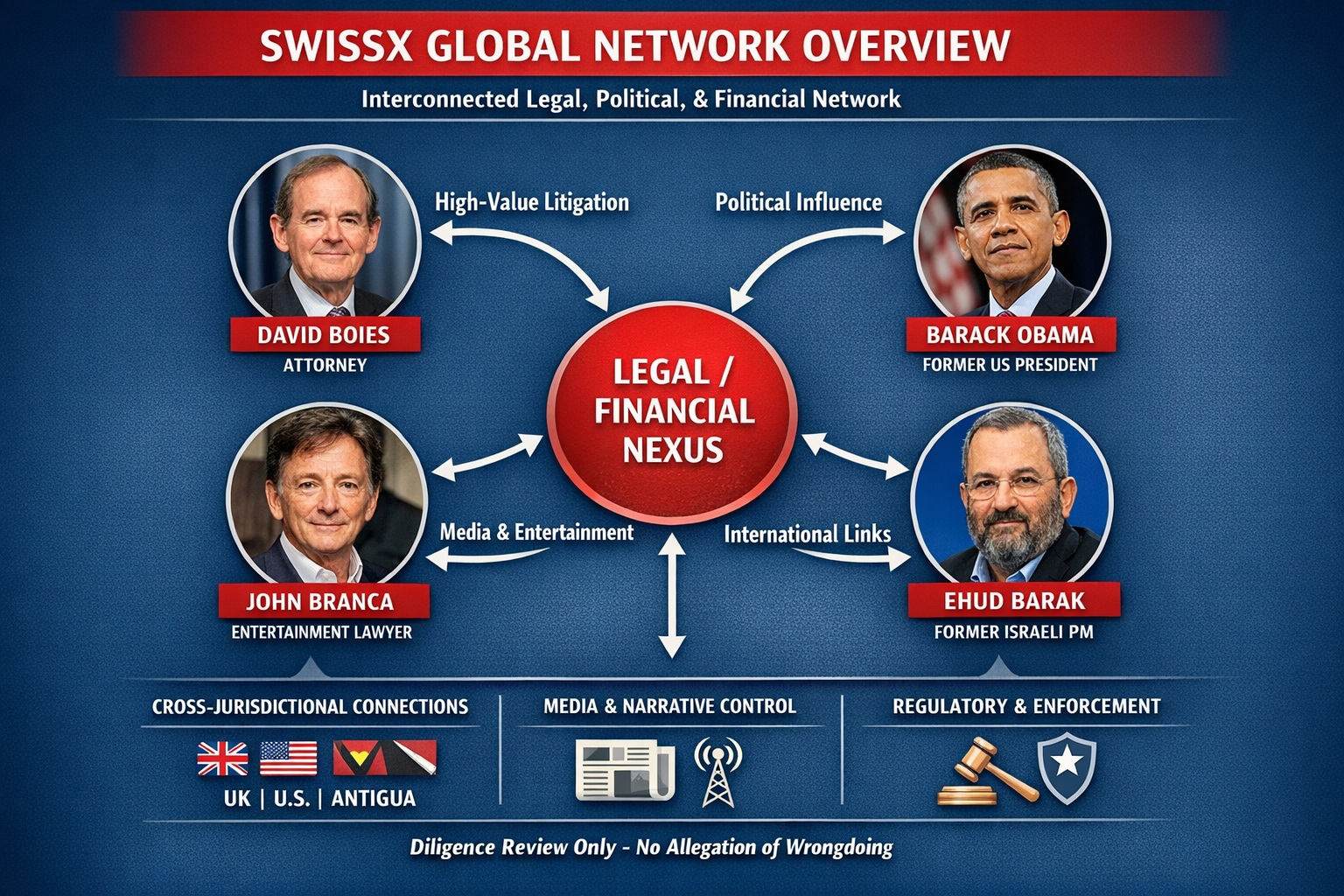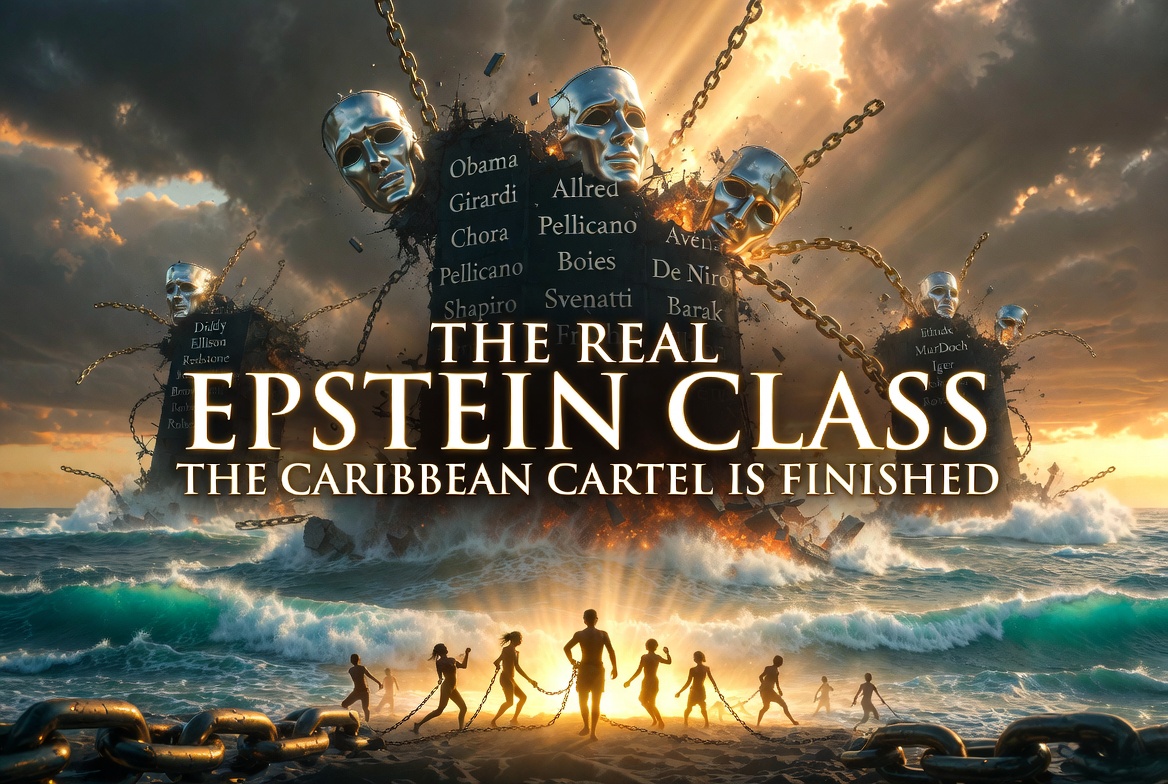
In a landmark legal struggle, Antigua is spearheading an $80 billion lawsuit against a complex network described as a 'Legal-Media Cartel.' This unprecedented case, filed in the Eastern Caribbean Supreme Court and mirrored in multiple jurisdictions, underscores the intricate ties between media influence, climate finance, and sovereign rights.
At the heart of the lawsuit lies a 28-million-acre initiative aimed at coral and seagrass restoration. With the potential to position Antigua as a leader in carbon-credit economies, the project not only aims to tackle climate change but also represents a transformative shift from fossil fuel dependency. Court filings indicate that the economic value of this emerging carbon-credit system could exceed $400 billion over several decades.
However, as outlined in the lawsuit, powerful interests tied to fossil fuel financing are alleged to have engaged in long-term economic sabotage against Antigua's carbon initiatives. If the claims hold validity, the case may reveal the extensive political, financial, and media machinery working against small island nations in their quest for sustainable development.
This litigation is not merely a private dispute; it addresses larger issues of resilience and survival for climate-vulnerable states. As the world grapples with climate change's looming threats, the implications of this case extend far beyond Antigua, potentially redefining the dynamics of global environmental policy.