In brief
Alexandra Eala’s shocking triumph at Wimbledon sent ripples through the Philippines, turning a once niche sport into a national obsession. Young players like 14‑year‑old Maristella Torrecampo have followed in her footsteps, battling long journeys and financial hurdles to compete. The victory also spotlighted the stark reality of tennis court scarcity and equipment costs in Metro Manila, prompting discussions about wider access. While critics point to Eala’s privileged background, she defends her hard work and hopes her achievements prove that talent can rise from any corner of the country. The growing interest has already led to meet‑and‑greet events, brand sponsorships, and a renewed push to build more courts nationwide.
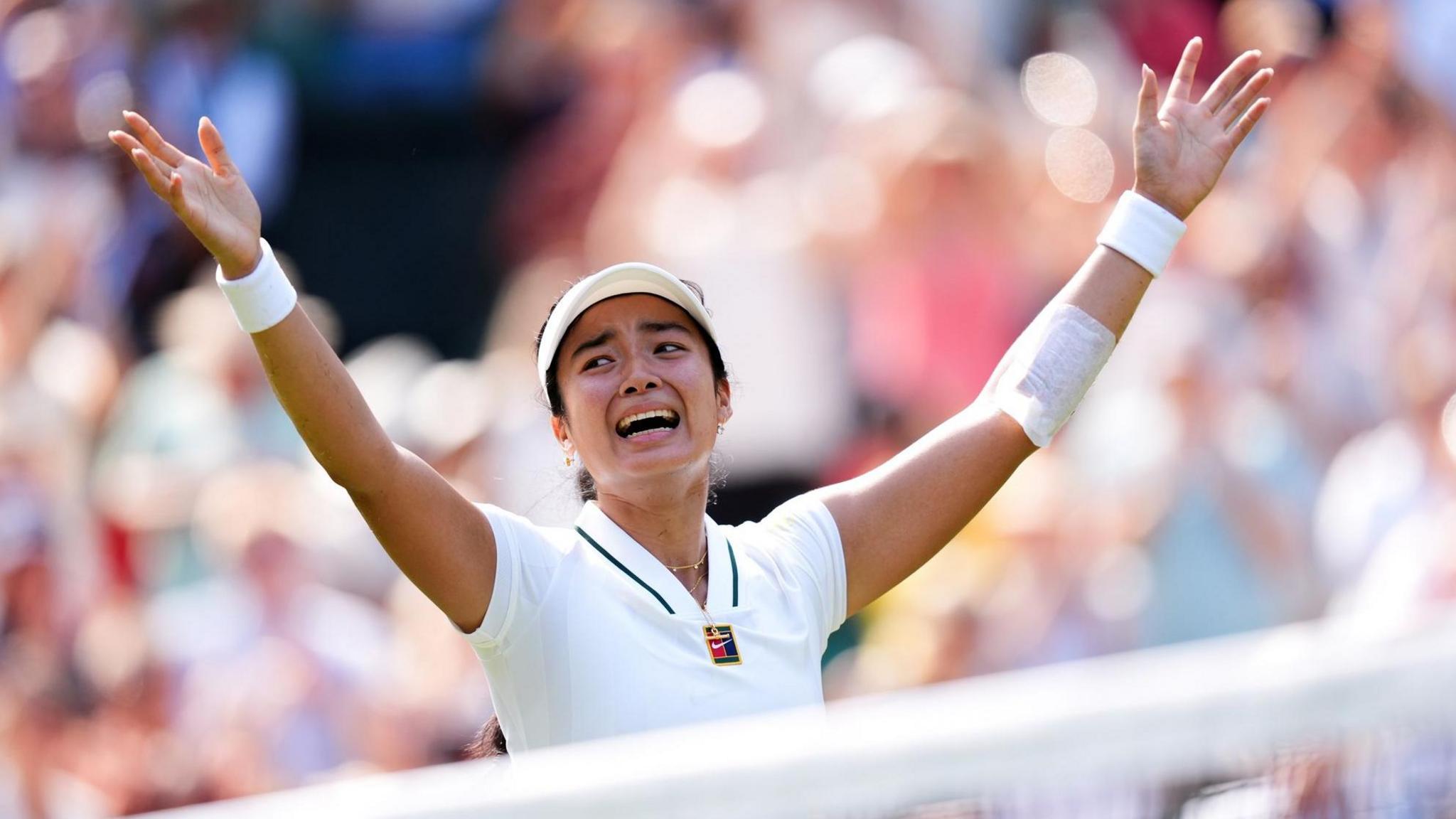
Alexandra Eala, 21, has put the Philippines on the global tennis map after a record‑fourth‑round run at Wimbledon where she famously knocked out reigning champion Iga Świątek of Poland.
Her staggering victory, captured by cameras and livestreams that were watched by fans across the archipelago, sparked a new wave of interest in a sport that had long been seen as the preserve of the wealthy.
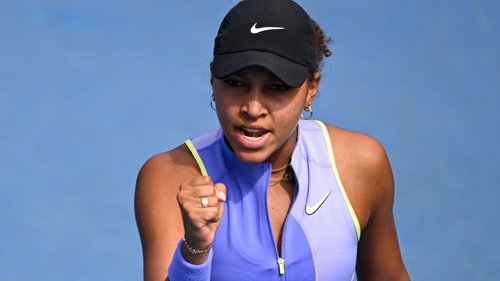
For 14‑year‑old Maristella Torrecampo of Iriga city, her inspiration is palpable. Her father trekked 13 hours by bus to Manila so she could play on the courts of Rizal Stadium, where she defeated her Omani opponent 6‑1, 6‑1 in a single day.
Tournaments now seem attainable, but they also expose the high cost of getting on the court. A single hour at a Manila venue can run about 2,000 pesos (about $32) – roughly half the minimum wage and equal to a month’s groceries for home‑based earners.
Tennis coaches such as Jovy Barce have humble origins; he taught himself from a borrowed racket and later worked as a motorcycle delivery man before becoming a coach with only forty balls at his disposal.
Eala’s own rise began after she studied at the Rafael Nadal Academy in Spain, the children of a mother who was a telecommunications executive and a prominent businessman.
Critics argue her elite upbringing eclipses her hard work on court, yet Eala insists that talent can stem from anywhere – “I worked hard for every ball I earned in tournaments” she said at a Malacanang Palace reception hosted by President Ferdinand Marcos.
Eyes of the nation have turned to Eala’s path, with fans from Sapayan to Makati attending meet‑and‑greet events, covering travel and accommodation merely to catch a glimpse and a signature.
The call for expanded access is growing; architect Felino Palafox has urged that every barangay have a tennis court, not just basketball ones. “We are fighting for space” he told the BBC, noting the densely packed capital’s lack of room for new sports infrastructures.
With her eyes now turning to the US Open next month, Eala’s message remains steady: “Represent my country with pride” and “Never be afraid that poverty is a barrier.” Meanwhile, young Terry from Maristella’s camp hopes to inspire a new wave of Filipino players who can one day stand on the court of Wimbledon and beyond.
For the first time in decades, the Philippines’ biggest sports star is a racquet‑playing toddler who will keep the dreams of a generation alive, proving that the right feed‑forward and the right belief can turn a seemingly distant aspiration into a tangible reality.