In brief
Alberta’s referendum saw a decisive majority opting to stay within Canada, marking a setback for the separatist movement. Prime Minister Mark Carney praised the outcome while Premier Danielle Smith reiterated unity. Despite the result, separatist leaders like Jeffrey Rath have remained defiant, hinting at future efforts. The vote also included non‑binding measures on immigration and constitutional matters, many of which are expected to pass.
Alberta's Decision
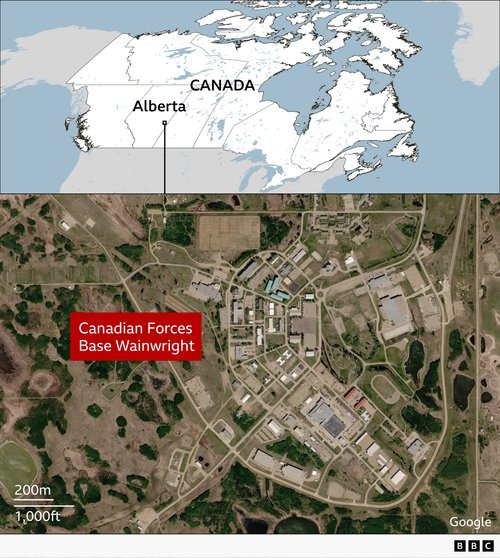
On Monday, the province of Alberta held a binding referendum that asked voters whether they wanted to remain part of Canada or start the legal process for independence. According to Elections Alberta, more than two‑thirds of ballots were cast for unity, ending a months‑long campaign for a break‑away.
National Reactions
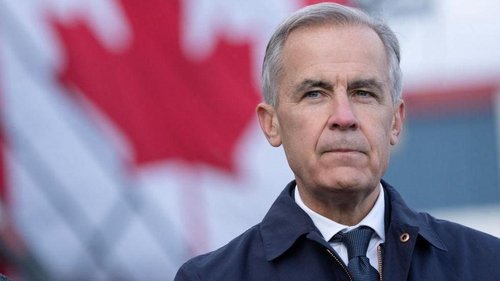
Prime Minister Mark Carney called the result “a great outcome” and said he was 'thrilled that Albertans have chosen unity'. Governor General S. Neil Harmer hailed the vote as a “democratic triumph.”
Reactions from Separatists
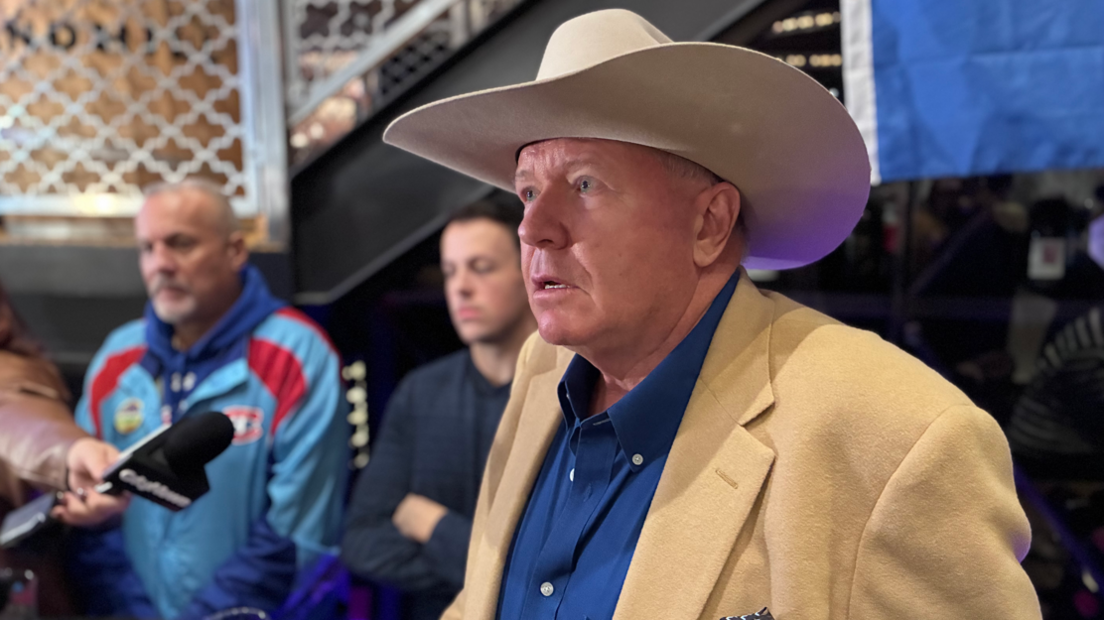
At a watch‑party in Edmonton, supporters of independence watched the projected results on a screen. The mood quickly soured when the numbers fell. Separatist leader Jeffrey Rath, who wore a cream‑coloured jacket, said after the night that 'the movement isn't stopping' and called the vote “a first step.”
Cultivator Mitch Sylvestre told the BBC that a “lot of work” would be needed to curb the appetite for independence if the outcome had gone the other way.
Future Outlook
Although the vote was closed, the conversation is far from over. Independents now plan to pressure Premier Danielle Smith for a leadership change within the United Conservative Party, hoping to find a leader more sympathetic to the separatist cause. The ballot also contained nine non‑binding questions on immigration and the Constitution; early polls suggest most will pass.
Alberta's vote echoes historical referendums in Quebec, but the province’s separatist movement rests on a belief that it can use the threat of independence to negotiate greater provincial powers.