In brief
The burial of former Supreme Leader Ayatollah Ali Khamenei marked the end of a week‑long funeral saga disrupted by the US‑Israeli conflict. With senior Iranian officials targeted and the country gripped by protests, Khamenei’s son, Mojtaba, stepped into power amid serious injury. BBC correspondent Lyse Doucet examines how the new leadership will address the country’s security, economic turmoil, and foreign‑policy challenges while vacuum governance creates. Analysts warn that the junta’s response will shape Iran’s trajectory in a period of heightened instability.
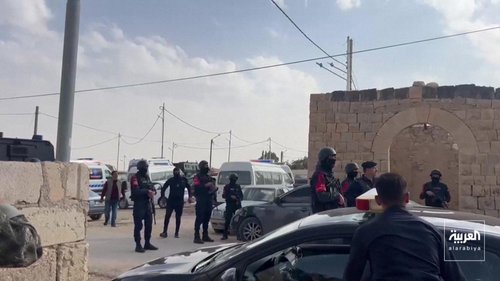
For a full week, streets across Tehran and other Iranian cities were lined with mourners, flag‑laden carriages and slogans demanding change. The processions wrapped up when Ayatollah Ali Khamenei, the country’s longest‑serving Supreme Leader, was buried on Tuesday, July 9. A delay in the burial had been imposed by the ongoing US‑Israeli war that saw senior Iranian figures—including Khamenei’s aide Alireza Jafarzadeh—silently targeted and shot down.
On the same day, Mojtaba Khamenei, his son and the new Supreme Leader, returned from a semi‑shrouded surgery after being shot during the same attack. The new authority, still “in training” according to insiders, has publicly faced the steep task of restoring order while continuing a war that now threatens the very stability of the region.
Lyse Doucet of the BBC penned an analysis of the immediate challenges confronting Iran. She argues that the new leadership must
- Secure the nation’s political system after the assassination of key officials.
- Re‑align economic policies to quell shortages and inflation.
- Re‑engage diplomatic channels amid concern about sanctions and international pressure.
The burial ritual itself is being watched from a distance by a generation of young Iranians who flooded the streets with flags, chanting “Freedom!” and demanding democratic reforms. In a society where the Supreme Leader’s decisions shape law and policy, the magnitude of the transition raises questions about governance in a country still grieving for its former head.
Doucet concludes that the next few weeks will be crucial in shaping how Iran balances power between theocratic governance and the emergent push for liberalisation. She notes that any short‑term concessions against the wider war‑affected population could either quiet sideline protests or widen the rift if the regime is perceived as indecisive.
With forces on all sides—military, intelligence, civilian—its leadership will need to navigate a volatile mix of obligations. The nation now looks to the new Supreme Leader not only for remembrance but for a new direction amid the ongoing conflict and domestic tensions.