In brief
The Taliban’s 2021 takeover is turning Afghan women’s lives unrecognisable. Their stories from Kabul to remote villages show bans on girls’ education, forced marriage and dangerous public punishments. Despite restrictions, some women keep hope, starting businesses or dreaming of future careers. The BBC continues to safely gather firsthand accounts across a country under siege, offering a raw, ground‑level view of life under Taliban rule.
Afghan Women Voice Unrecognisable Lives Under Taliban Rule
Five years after the Taliban returned to power in Afghanistan, women and girls are sharing the stark reality of their daily lives, reporting new restrictions on education, work, and basic freedoms. The hard‑line Islamist group has eroded the rights of 22 million women in a campaign that began after the 2021 takeover – a stark reversal of progress made under a US‑led coalition.
BBC Afghan is one of the few outlets maintaining continuous access to Afghan women across the country, from the capital to remote provinces. Interviews reveal a pattern of bans: girls over twelve can no longer attend school, women are barred from traveling without a male chaperone, and new laws criminalise “apostasy” or “collaboration” with foreign forces, often resulting in flogging or imprisonment.
Ela from Kabul shared the weight of poverty and survival: “People are so overwhelmed by poverty and daily hardships that we have put our education and dreams on hold. Today, survival has become the priority, and we no longer have the time or energy to think about the future.”
Shakiba, 18, a jewellery maker in Kabul expressed deep loss: “The day the government fell was the worst and most painful. My dreams of becoming a pilot have slipped away as all schools for girls beyond grade 6 are silenced.”
Where schools once thrummed with teenage girls, the Taliban’s orders have been enforced with brutal illustration. Hundreds have been flogged, and many women have gone into hiding or beguile their stories behind anonymity to avoid reprisals.
Shaima, a labour activist, told the BBC she was whipped 50 times for being perceived as too close to men, and she witnessed her daughter’s fear of “mother, they are beating you.” Her story illustrates the public nature of punishments.
In health care, the Taliban’s rule has culminated in one midwife per 4 050 women, leaving mothers to face risk without a female doctor to care for them. Midwife Marzia recounted a 45‑year‑old mother who died before she could receive care.
However, hope persists. Noori, 24 began studying political science before the takeover, then pivoted to running a jam‑making company that now employs ten women, aiming to open future opportunities for others. A senior journalist, Zuhal, reports being forced from her role in news broadcasting, yet she continues to advocate for women’s voices.
Teenager Asma, 13, still dreams of becoming a doctor: “One day everything will change. We must keep patience; we’ll win hope.” She urges the international community to keep speaking up for Afghan women, for their right to education and work.
Invision & Engagement
The underreported voices of Afghan women are now ready to be shared. Tap the map below to locate living areas you want to see stories, then share your own observations or local eyewitness insight. The community data feed will be updated and fact‑checked in real time, ensuring the most accurate, on‑the‑ground coverage while the world watches the Taliban’s rule unfold.
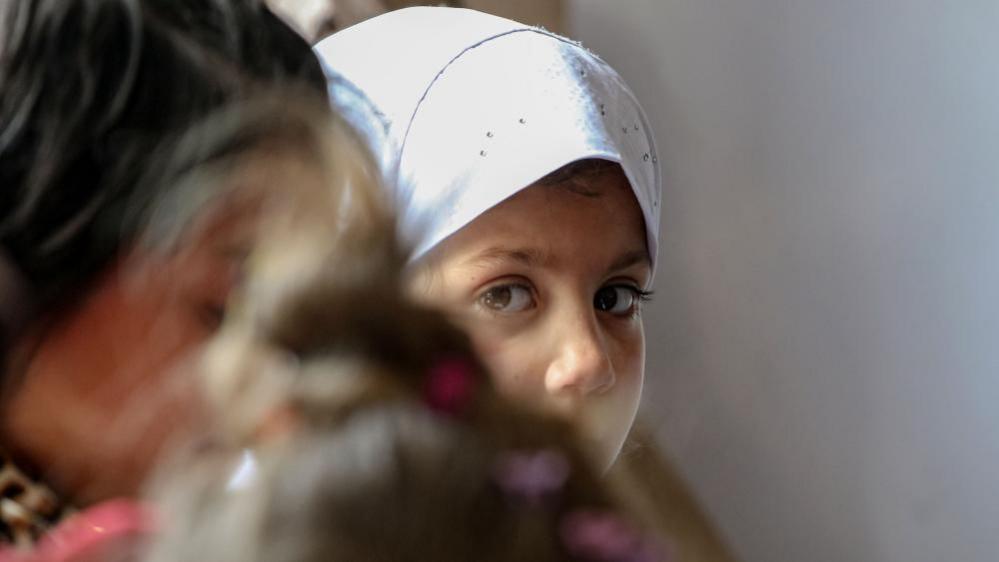
Images: Afghan Girl in White Headscarf, Midwife Marzia in Clinic