In brief
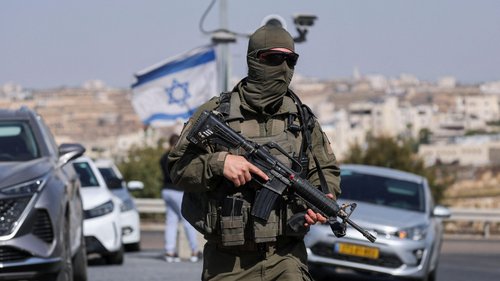
As of November 27, 2024, Lebanese citizens have begun returning to their communities following an early morning cease-fire between Israel and Hezbollah. The truce, which commenced at 4 a.m. local time, aims to bring an end to violent hostilities that have displaced more than a million people over the past months, marking this as the deadliest conflict in years.
In the wake of the cease-fire, cities south of Beirut saw roads filled with vehicles as families celebrated their return despite ongoing warnings. Prime Minister Benjamin Netanyahu endorsed the deal, which was mediated by the U.S. and France, and outlined plans for Israel to gradually withdraw troops from Lebanon, while ensuring that Hezbollah does not entrench near the border. Both sides are required to respect the terms of the agreement, fostering conditions for humanitarian assistance and civilian safety. Recent Israeli airstrikes just hours before the cease-fire intensified concerns, with the Lebanese military warning residents against rushing back to southern towns due to potential threats and unexploded ordnance. As displaced families joyfully streamed back, the situation remains fragile, with fears of renewed conflict looming over the region. U.N. peacekeepers are also set to play a crucial role in overseeing the cease-fire to prevent further violence.The cease-fire reflects a significant diplomatic achievement for President Biden as he seeks to stabilize the region amidst continuing tensions with Hamas in Gaza. By reaffirming peace agreements, the potential for broader regional stability may begin to emerge, allowing citizens to reclaim their lives and communities. Nonetheless, anxiety about the long-term sustainability of this agreement remains palpable as the recovery begins.