In brief
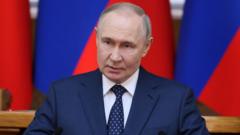
As Vladimir Putin announces a three-day ceasefire from May 8 to May 10, skepticism grows over whether this move represents a true effort for peace or merely a public relations strategy aimed at influencing perceptions in Washington.
In a surprising announcement, Russian President Vladimir Putin declared a three-day unilateral ceasefire, set to take effect from May 8 to May 10, coinciding with events recognizing the 80th anniversary of the end of World War II. While the Kremlin characterized this truce as a humanitarian gesture, the proposal has been met with skepticism, particularly from Ukraine, which questioned why Russia could not implement a ceasefire immediately. Foreign Minister Andrii Sybiha challenged the Kremlin, stating, “If Russia truly wants peace, it must cease fire immediately,” expressing concerns regarding the delayed timeline for peace efforts.Putin's approach appears to reflect a strategy of short ceasefires that serve as both a humanitarian overture and a potential public relations move to reshape global perceptions—especially amid ongoing critiques of his administration by Western leaders. Notably, this follows a similarly brief ceasefire during Easter, which Ukraine accused Russia of violating. Analysts suggest that these ceasefires may be intended to frame Russia as the peacemaker in the conflict while deflecting blame onto Ukraine.Recent statements from U.S. President Donald Trump also indicate growing frustration with Russia’s approach. In a post on his Truth Social platform, Trump questioned the sincerity of Putin's intentions, implying that the actions taken on the ground contradict any claims of seeking peace. This raises broader concerns over whether the Kremlin truly seeks to end hostilities or simply uses temporary pauses in fighting for strategic messaging.Moreover, internal Russian narratives are beginning to emerge that suggest President Zelensky may reject Putin’s ceasefire offer, further complicating the situation. Vyacheslav Volodin, the speaker of Russia’s lower house of parliament, openly expressed doubt that Ukraine would accept the ceasefire, signaling an intention to portray Ukraine unfavorably in the negotiations.As the international community watches closely, the upcoming days may reveal whether this latest proclamation is indeed the first step towards a lasting peace or just another chapter in the complicated saga of war in Ukraine.