In brief
As Rocky Sickmann recounts his experience as an Iran hostage, he emphasizes Jimmy Carter's pivotal role in keeping hope alive during dark times.
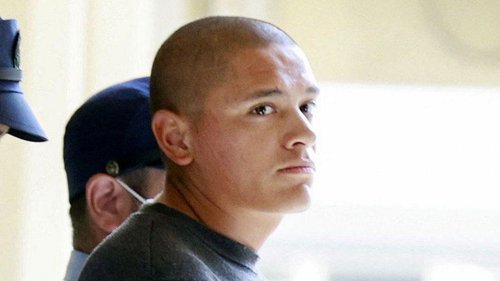
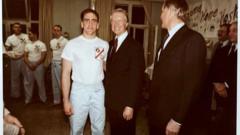
Rocky Sickmann, formerly a 22-year-old US Marine stationed at the American embassy in Tehran, shares his poignant memories of being taken hostage alongside 51 others by Iranian revolutionaries on November 4, 1979. As the world mourns the death of Jimmy Carter, not everyone shares the sentiment of loss; for Sickmann, Carter symbolized survival and hope throughout his harrowing ordeal.Sickmann recalls his first month in captivity, where he was blindfolded and handcuffed. He was overwhelmed with despair, questioning whether anyone cared about the plight of the hostages. He reflected, "The Vietnam war had just ended; who would care about us?", echoing a sentiment that resonated with many Americans who blamed Carter for his inability to secure their release throughout the hostage crisis—a situation that would ultimately impact his presidency.Despite the public's dissatisfaction, Sickmann reveals a different narrative. He admires Carter’s relentless pursuit of diplomatic solutions to secure their freedom. "He was a good man who wanted diplomacy. I found out how involved he was in our release," he said. Sickmann recalls how Carter engaged with the families of the hostages, including his own, fostering a sense of support.Once freed, Sickmann and his fellow hostages were flown to Wiesbaden, Germany, where Carter greeted them personally the day after their arrival, expressing joy at finally meeting the servicemen. "It was the happiest day of his life," recalled Sickmann, who humorously noted that they met Carter in their pajamas. This meeting would be immortalized in a photograph, which Carter later sent to Sickmann with a heartfelt inscription, "To my friend, Rocky Sickmann."Over the years, Sickmann's paths crossed with Carter again, as he once ran into him at a baseball game. Inspired by Carter’s dedication to public service, Sickmann established Folds of Honor, a charity providing scholarships to families of fallen or disabled military personnel. "I don’t know if I’ll ever be as good as him, but I strive to follow his example," Sickmann said.In 1980, a failed rescue mission, dubbed Eagle Claw, could have marked a turning point for Carter's legacy, but Sickmann emphasizes that for him, personal memories of hope and survival trump any political setback. "For 444 days, Carter kept us alive in the eyes of the world and maintained the prayerful hope that sustained us," he stated. As the nation prepares to honor Jimmy Carter, Sickmann’s heartfelt reflections remind us of the profound impact that leadership and kindness can have in the darkest of times.