
In brief
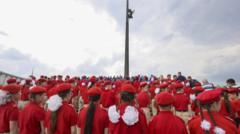
As Russia flexes its influence in occupied Ukrainian territories, initiatives aimed at indoctrinating young children are unfolding through state-sponsored programs. The Yunarmia organization and various cultural events push a pro-Russia narrative, erasinng Ukrainian identity and emphasizing military allegiance.
In occupied regions of Ukraine, Russian authorities have launched a comprehensive campaign aimed at instilling loyalty to Russia among young children. At a nursery school in Luhansk, kids parade with banners shaped like the letter Z, a symbol of Russia's invasion, while chanting pro-Russian slogans. Across various schools, children engage in military-themed activities, such as crafting items for Russian soldiers and participating in mandatory celebrations of Russian culture.With many Ukrainian teachers having fled these areas, Russia is incentivizing its educators to move into occupied territories, offering substantial sums to those willing. The state-affiliated youth organization Yunarmia, which began operating in these regions, targets children as young as eight, preparing them for potential military service while under the guise of patriotic education.Sanctioned by both the UK and EU for its role in the militarization of children, Yunarmia is not isolated in its efforts. Other groups with ties to the Kremlin, such as "Movement of the First Ones" and "Warrior," are also stimulating a culture of pro-Russian sentiment through military drills, competitions, and indoctrination lessons.As part of this initiative, students are instructed using Russian textbooks that frame Ukraine as a Western construct rather than a legitimate nation. One former student, Lisa, revealed how she and her classmates felt compelled to participate in celebratory events and sing the Russian national anthem during school hours, illustrating the extent of coercion.Russian soldiers further influence children by visiting schools to glorify their military actions and instigate a hostile image of Ukrainian forces. Special exhibitions are organized to immerse youngsters in a narrative that glorifies the Kremlin's endeavors, while excursions into Russia promise further indoctrination.Despite the international outcry against these actions, thousands of Ukrainian children have been forcibly removed from their homes and taken to Russia under programs designed to assimilate them into Russian society. Reports indicate that around 19,000 children have been deported, with many remaining unaccounted for. As the situation unfolds, the continued targeting of Ukrainian identity and youth raises significant humanitarian and legal concerns in light of international laws prohibiting such tactics. The ramifications of this campaign extend beyond territorial ambitions; Russia is actively reshaping the cultural landscape of its occupied territories, starting with the youngest residents.



