In brief
A series of alarming arrests of aid workers in Yemen, including those from NGOs funded by the US, has raised fears and led to cuts in critical humanitarian aid amidst the country’s decade-long civil war. As conditions worsen, displaced families express concerns for their survival without support.
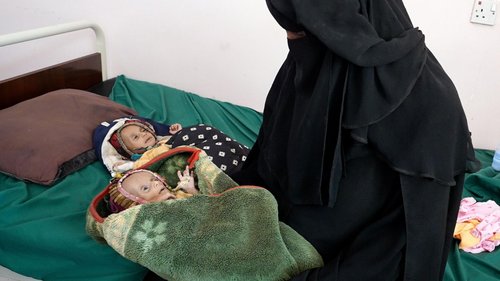
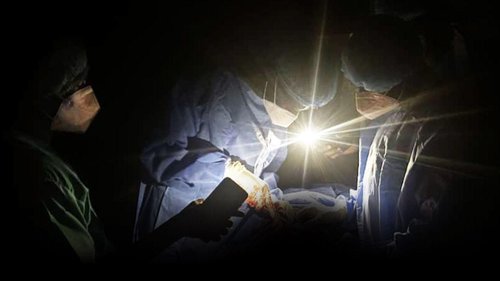
Hanaa and her colleagues are grappling with the fallout from a recent wave of arrests targeting humanitarian workers in Yemen. The situation has deteriorated sharply, leaving many fearful for their safety and the well-being of millions dependent on aid. The Houthi rebels have detained an increasing number of aid workers, including individuals from the UN and several NGOs, creating a perilous environment for those attempting to provide essential services.When Hanaa arrived at work one fateful day, she discovered her office had been raided—drawers and doors destroyed, her boss arrested, and critical equipment confiscated. This incident was not isolated; over the past few months, the arrests have made it increasingly dangerous for aid organizations to operate, limiting their movement and capabilities. The harsh reality for many humanitarian workers is setting in: fear of persecution looms large, resulting in an intensified climate of uncertainty.The UN estimates that nearly half of Yemen's population requires humanitarian assistance, including around 10 million children. The dangerous environment has prompted several organizations, including the UN, to consider scaling back their already limited operations, an action that could sever vital lifelines to those suffering from the protracted conflict. With 4.5 million people internally displaced, these humanitarian crises are compounded, especially for those like Amal, a mother of nine, struggling to provide for her family in a makeshift camp.Amal expresses the precariousness of her situation, indicating that her monthly food supply from the World Food Programme barely sustains her family for two weeks. Without sufficient aid, she resorts to begging on city streets to keep her children nourished. "Cutting aid would be a death sentence to us," she warns, reflecting the desperation shared by countless families in similar situations.A Yemeni lawyer, Abdulaziz, representing several detainees, highlights the cruel reality of detention—with many facing prolonged isolation and a complete lack of support. Voices like Abdulaziz's are crucial as they echo the urgent pleas for justice and the need for humanitarian processes to resume promptly. Despite their efforts, the Houthis remain unresponsive to the concerns regarding their treatment of aid workers.Meanwhile, Human Rights Watch warns of the devastating impact that both the freeze on aid from the US and the arbitrary arrests by the Houthis will have on a population already grappling with a humanitarian disaster. The lack of adequate medical supplies exacerbates the ongoing health failures within clinics, leading to rampant issues such as malnutrition and disease among the most vulnerable, particularly children.UN Special Envoy Hans Grundberg has condemned the recent detentions, deeming them as violations of human rights that threaten the ability to assist those in desperate need. With pressure mounting, humanitarian workers like Hanaa remain determined to continue their fight for change and assistance. They strive to educate girls and empower communities, even as they face crippling threats to their safety and livelihoods.As the situation continues to evolve, families like Amal's and workers like Hanaa await a glimmer of hope in a crisis that seems relentless and unyielding.