In brief
Protests against a Chinese dam project in Tibetan territories turned violent, leading to arrests and beatings of demonstrators, highlighting the ongoing struggles of Tibetans against governmental expansion and cultural oppression.
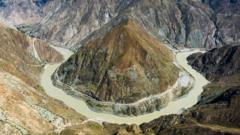
Hundreds of Tibetans protested against a Chinese dam on the Jinsha River earlier this year, triggering a severe crackdown that reportedly involved beatings and numerous arrests. Verified footage and eyewitness accounts, gathered by BBC sources, reveal the unrest in Tibet—a region tightly controlled by Beijing since its annexation in the 1950s. The protests, occurring in February, were sparked by plans to construct the Gangtuo dam, also known as Kamtok, in a culturally rich area of Sichuan province that is home to several ancient monasteries and villages. Authorities began arresting individuals shortly after the protests began, shutting down communication channels and placing strict restrictions on residents. The Chinese government's ongoing dam-building initiatives in Tibetan areas are controversial due to their environmental and cultural implications. The Gangtuo dam, if built, would flood key historical sites, including the 700-year-old Wangdui Monastery, threatening the cultural heritage of the Tibetan people. Reports suggest that plans to displace over 4,000 residents without adequate consultation have been in motion since 2012.Despite the government's claims of meaningful dialogue and consent regarding the dam project, many local residents expressed fears about imminent eviction plans. The repression of dissent has galvanized the Tibetan community, highlighting their struggle against systemic discrimination and cultural erasure.Witnesses have reported that during the crackdown, many were detained for extended periods and subjected to physical abuse and interrogations. The situation has been exacerbated by increased surveillance and restrictions on communication, leaving many residents terrified of engaging with the outside world. The BBC's investigation underscores the broader narrative of human rights violations in Tibet, as activists criticize the Chinese government's development policies as oppressive rather than beneficial. Rights groups argue that more than 930,000 rural Tibetans have faced forced relocations under the guise of development since 2000, severing their ties to their ancestral lands.Chinese authorities assert that these projects, including the Gangtuo dam, are crucial for clean energy production and economic development, but critics maintain that they result in exploitation and loss of cultural identity for the Tibetan people.