In brief
On August 25, 2025, an Israeli attack on Nasser Hospital in the Gaza Strip resulted in the deaths of 22 individuals, including five journalists. Evidence gathered raises serious questions about the military's rationale for the strikes and the manner in which they were executed. Notably, it has been questioned whether the Israeli military accurately identified the targets before launching attacks, as important details regarding surveillance and the choice of munitions have emerged. Various human rights experts assert that aspects of the attack could amount to war crimes. The incident is part of a broader context where journalists continue to face severe risks while covering the ongoing conflict.
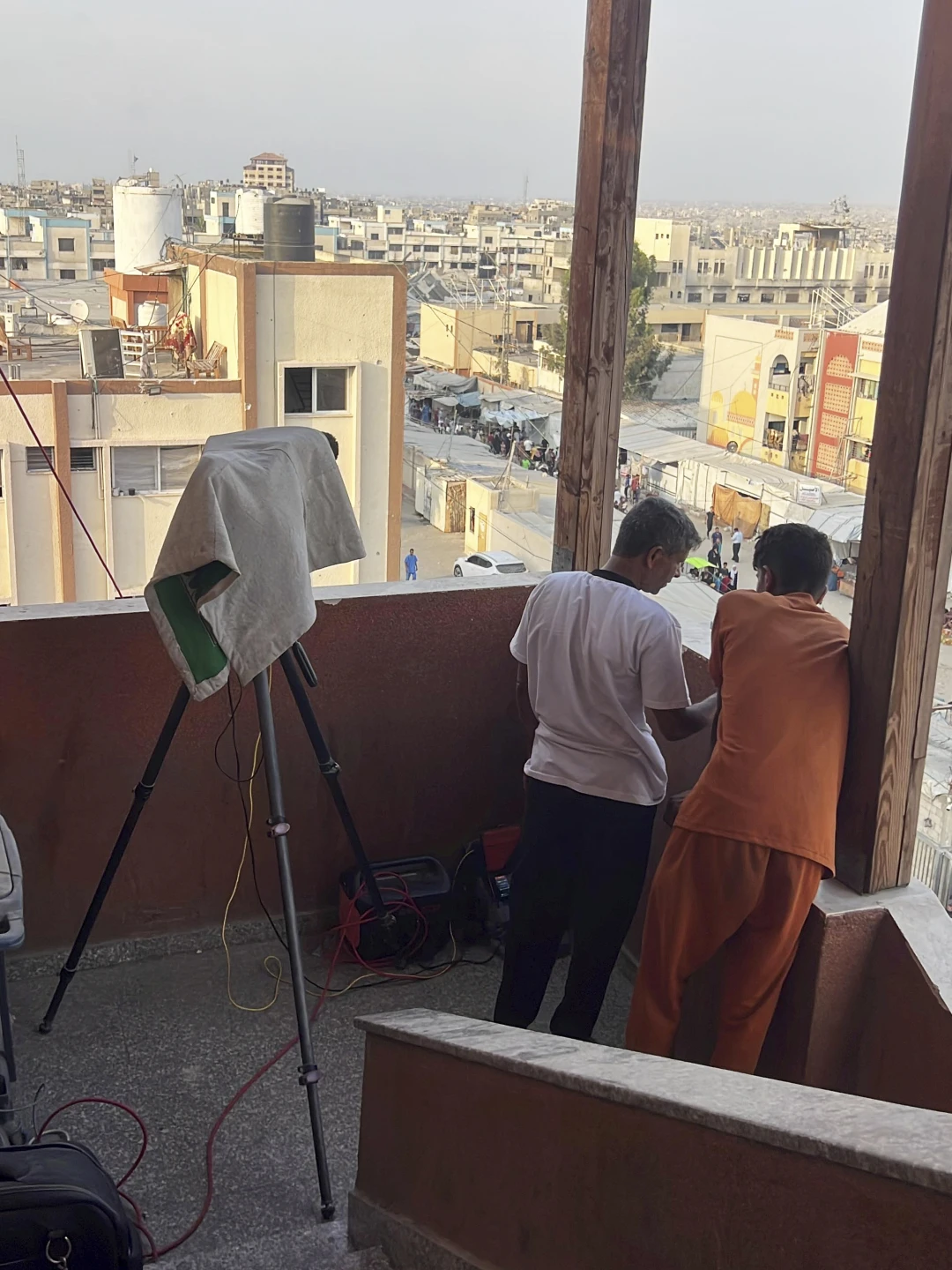
TEL AVIV, Israel (PulseWire) — An Israeli military attack on a hospital in the Gaza Strip on August 25 killed 22 people, including five journalists, significantly raising urgent questions about the military's rationale for the strikes and their implementation.Continuing investigations indicate that among the deceased was Mariam Dagga, a photojournalist formerly associated with AP, raising concerns about the targeting of media personnel amidst the ongoing conflict.Israeli forces launched a strike on the hospital, targeting what they believed to be a surveillance camera positioned on the roof, which they said was being used by Hamas. An Israeli military official noted suspicious behavior corroborated by unspecified intelligence, citing only that a towel was placed over the camera. However, recent findings indicate the equipment belonged to Hussam al-Masri, a local Reuters journalist who reportedly used a cloth to shield the camera from dust and harsh sunlight. Al-Masri was killed in the first strike.Eyewitnesses and evidence now show that the military observed the hospital's location using drones prior to the attack, underlining their assertion that they could have accurately verified al-Masri’s identity before proceeding with the strike.Following the first attack, as emergency responders and journalists, including Dagga, rushed to the scene, Israeli forces struck the same area again, a tactic known as double tap which is controversial and raises allegations of a possible war crime. This extensive bombardment that targeted a hospital—especially without warning—has triggered widespread international outrage.The Israeli military's choice of munitions has also come under scrutiny. Despite having potentially more precise alternatives available, high-explosive tank shells were used, leading to higher casualties and destruction.AP reported that the Israeli military has since been unresponsive to a query related to their target identification process and whether their operational decisions could have misidentified civilians as combatants. Prime Minister Netanyahu has called the incident a “tragic mishap” but did not issue an apology.The deaths of journalists in Gaza have been alarmingly high, with over 180 Palestinian journalists reported killed during the conflict according to the Committee to Protect Journalists. Due to ongoing restrictions imposed by Israel, foreign reporters have been barred from entering the region, making local journalists critical in providing coverage of the conflict.The significance of Nasser Hospital as a hub for media coverage, especially during humanitarian crises, cannot be understated. Both AP and Reuters have consistently notified military officials regarding the presence of their reporters in the area, thereby amplifying the severity of this attack.In the weeks leading up to these strikes, evidence indicated that al-Masri had been broadcasting live from the hospital almost daily. Video analysis confirms his presence with the camera, emphasizing the potentially lethal misjudgment made by Israeli forces.As investigations continue, there are calls for accountability over the military's actions, emphasizing that journalists must remain protected as civilians under international laws of warfare.