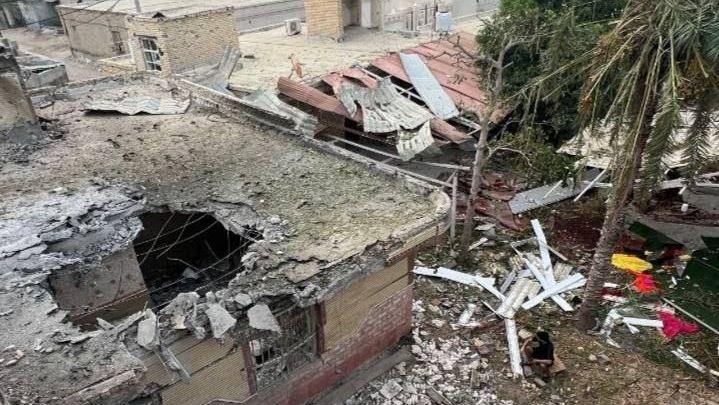
One month after the Israeli air strikes on Evin prison, inmates have reported dire and inhumane living conditions in new facilities they have been moved to. Following the attacks, which resulted in the deaths of 80 individuals, including both inmates and prison staff, detainees transferred to other prisons describe overcrowded facilities lacking basic amenities such as air conditioning, beds, and adequate sanitation. Reports from family members confirm troubling conditions at the Greater Tehran Central Penitentiary, known as Fashafouyeh, where political prisoners now share facilities with convicted criminals, a tactic criticized by human rights advocates.
Activists estimate that life for women in prisons like Qarchak is almost unbearable, with overcrowded conditions and limited access to medical care contributing to an atmosphere of despair. Families of these detainees remain anxious as visits have been restricted, deepening the isolation and distress caused by the situation. In this complex conflict, civilian casualties have also emerged, including the tragic loss of lives during the strikes, underscoring the broader implications of the ongoing Israel-Iran tensions.