
In brief
In a recent statement, the head of the World Health Organization (WHO), Dr. Tedros Adhanom Ghebreyesus, has called for an urgent halt to the attacks on hospitals in Gaza as the region's healthcare system faces unprecedented levels of threat.
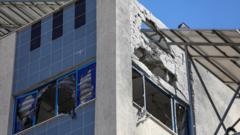
The appeal follows a series of incidents where hospitals in Gaza, including the last operational facility in northern Gaza, Kamal Adwan, were forcibly evacuated by Israeli forces. This raid on Friday raised alarms about the status of medical care in the area, especially after reports emerged claiming that hospitals were being misused as command centers by Hamas. On Sunday, a strike on al-Wafa Rehabilitation Hospital resulted in fatalities and injuries and was described by local witnesses as a chaotic scene of panic and destruction.Dr. Tedros's remarks coincided with a plea from human rights organizations and relatives for the release of Dr. Hussam Abu Safiya, Kamal Adwan’s director, who remains in Israeli custody. Concerns over Dr. Safiya's health were highlighted due to past injuries and harsh conditions reportedly faced during detention. Additionally, WHO confirmed the transfer of critically ill patients to al-Shifa Hospital, a move fraught with complications as four patients were detained during the process.While the Israeli military justified their actions as measures against Hamas, allegations have been met with accusations of misinformation from Hamas officials. The humanitarian crisis has intensified with reports of extensive civilian casualties and a lack of essential supplies. Since the beginning of October, the conflict has led to devastating losses, with more than 45,540 reported deaths in Gaza.The escalating violence poses severe challenges to healthcare workers who are struggling to provide care amid constant threats, and the WHO's urgent advisory echoes a broader international concern over the ongoing conflict's impact on civilians.Eyewitness accounts underscore the harrowing experiences of those within Gaza's hospitals, further intensifying the call for action to safeguard medical facilities. The situation remains dynamic, as local and international entities await changes in the current ceasefire and humanitarian provisions for affected populations.

