In brief
Over 300,000 public‑sector employees have joined a nationwide 24‑hour strike, the biggest mobilisation since the 2008 strikes. Workers protest a stalled pay deal, threatening school closures, cancelled medical appointments and massive picket lines. The dispute follows a week of work‑to‑rule tactics and a vote by the largest union, Fórsa, in favour of industrial action. Government ministers described the strike as deeply disappointing, while teachers and health workers say salaries have not kept pace with living costs.
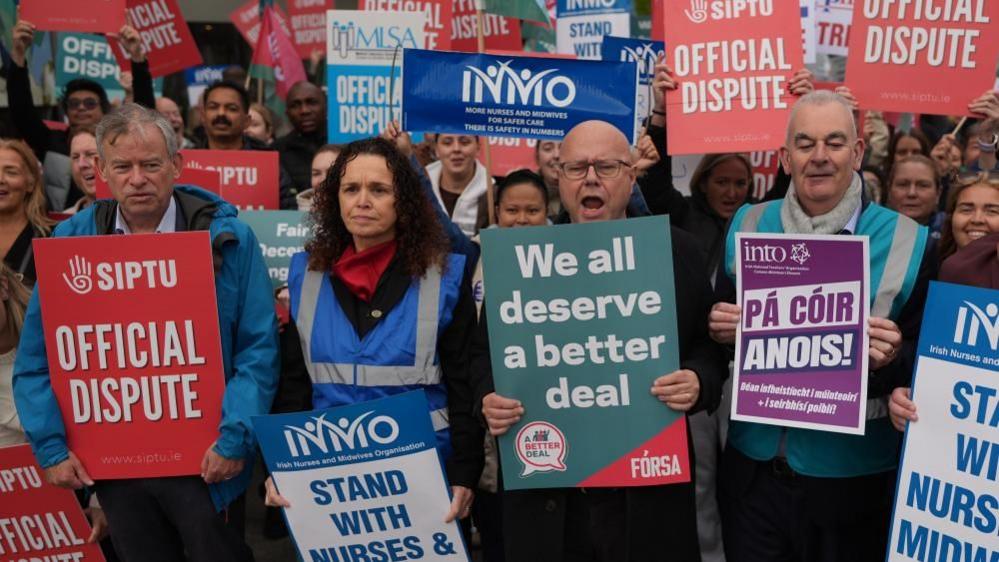
More than 300,000 workers—including nurses, doctors, teachers and civil servants—have joined a nationwide 24‑hour strike across the Republic of Ireland, the largest mobilisation of its kind since 2008.
The action comes amid a stalemate in pay negotiations between public‑sector staff and the Irish government. Following a week of work‑to‑rule measures that saw teachers and nurses stop performing full duties, the strike is set to take place on 21 October as a final push for a new contract.
If the protests unfold as planned, schools will close, hospital appointments will be cancelled, and picket lines are expected to erupt in cities and towns across the country.
SIPTU, the union representing public‑sector health and administration workers, said that the “goodwill” of workers had been essential for public services, but the lack of formal talks left them no choice but to act collectively.
Jack Chambers, Minister for Expenditure, described the strike as “deeply disappointing” and warned of the significant economic disruption it would cause.
Teachers’ representatives have voiced frustration over stagnant pay. “The pay simply isn’t keeping pace,” said Dawn Hutchings‑Walsh, a teacher at Hartstown Community School, and her colleague Sinéad McCarthy added that she had to move to Dubai for a few years to save for a house.
Linda Kelly, general secretary of the Association of Secondary Teachers Ireland, said teachers feel the government is “not taking us seriously” and criticised the government’s “laissez‑faire” approach to the dispute.
The strike, set to last four hours across the nation, marks a critical test for the Irish government as it seeks to balance fiscal constraints with the demands of a workforce that has long struggled with inadequate pay and high living costs.