In brief
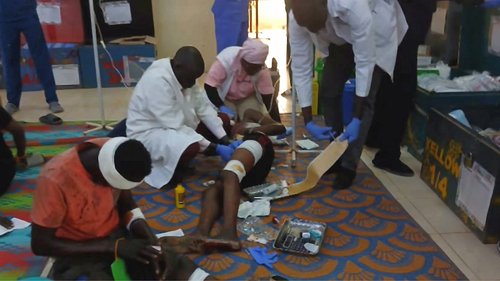
More than 1,600 people have died in Myanmar following a catastrophic earthquake, with concerns growing for those still missing. The military junta's continued airstrikes amid rising tensions complicate aid distribution, heightening fears for the region's recovery.
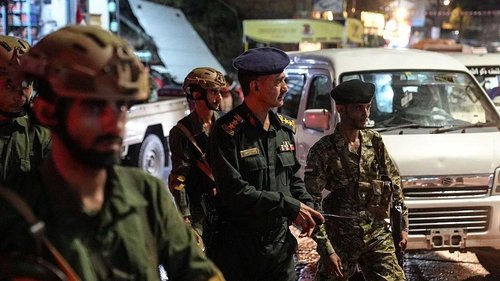
An earthquake of unprecedented magnitude has struck Myanmar, resulting in over 1,600 confirmed fatalities and injuring exceeding 3,000 individuals. The disaster, characterized as the most significant seismic event to affect the nation in more than a century, has devastated several regions, notably Mandalay, where an aftershock further destabilized buildings that had survived the initial quake.Rescue operations are in a race against time, as many individuals remain missing with their chances diminishing as the critical 72-hour survival window nears its end. The situation is dire, exacerbated by the ongoing civil conflict in the country, which has already rendered nearly 20 million people vulnerable before the earthquake, according to United Nations estimates.Compounding the disaster's impact, the military junta has not relinquished its bombing campaign, continuing operations that have long haunted the nation. In the wake of the quake, the Arakan Army, a prominent rebel force, stands poised to leverage the chaos, risking additional strife as they seek to consolidate control over southern Myanmar. The prospect of foreign aid arriving is complicated by the junta’s history of weaponizing relief efforts, casting doubt on whether assistance will reach those in desperate need.Scot Marciel, former U.S. ambassador to Myanmar, emphasized these concerns, highlighting the military's track record of using humanitarian aid to its advantage. As the situation develops, the international community watches closely, aiming to ensure that much-needed relief efforts will not be obstructed in this monumental crisis.