Sensitive content: This article contains a graphic description of death that some readers may find upsetting
I've reported on more than 40 wars around the world during my career, which goes back to the 1960s. I watched the Cold War reach its height, then simply evaporate. But I've never seen a year quite as worrying as 2025 has been - not just because several major conflicts are raging but because it is becoming clear that one of them has geopolitical implications of unparalleled importance.
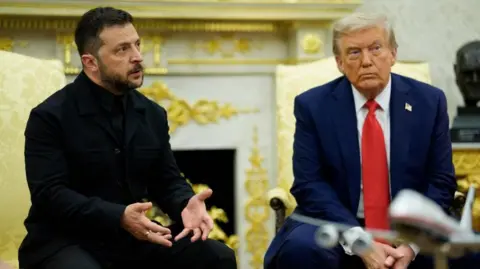
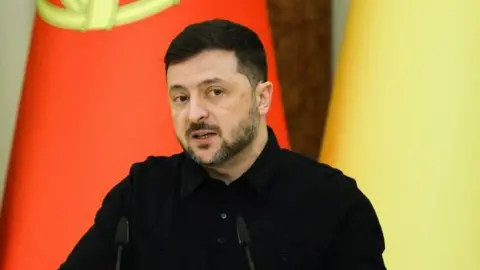
Ukraine's President Volodymyr Zelensky has warned that the current conflict in his country could escalate into a world war. After nearly 60 years of observing conflict, I've got a nasty feeling he's right.
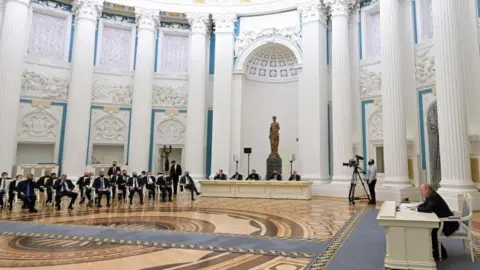
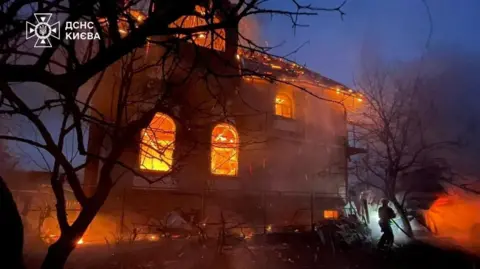
Nato governments are on high alert for any signs that Russia is cutting the undersea cables that carry the electronic traffic which keeps Western society going. Their drones are accused of testing the defences of Nato countries. Authorities in the west are certain Russia's secret services murder and attempt to murder dissidents who have taken refuge in the West.
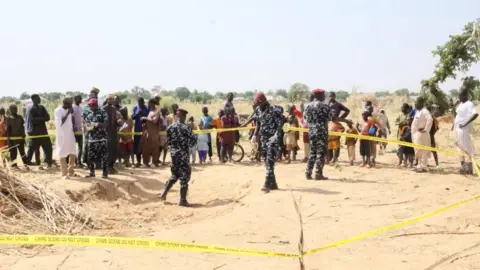
The year 2025 has been marked by three very different wars. There is Ukraine of course, where the UN says 14,000 civilians have died. In Gaza, where Israeli military action has resulted in a staggering loss of life, and in Sudan, where a ferocious civil war has led to more than 150,000 deaths.
As we look ahead to 2026, the potential for further conflict looms large. Zelensky may feel obliged to agree to a peace deal that carves off a large portion of Ukraine, while the world's response could lead to a reshaping of alliances and geopolitical boundaries.
The Cold War aside, most conflicts I've covered have been small-scale, not serious enough to threaten global peace. However, the dynamics in 2025 strike a different chord, suggesting that this tumbling tide of violence may escalate beyond localized struggles.
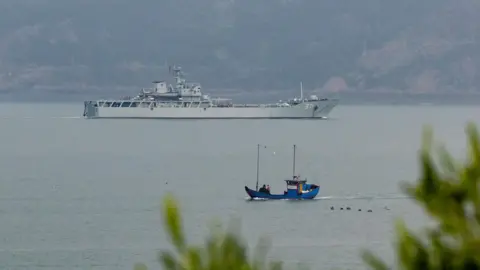
China, too, remains a key player. President Xi Jinping shows little sign of backing down regarding Taiwan, even as tensions simmer in regions where its influence expands.
Overall, 2026 will be critical in determining if these conflicts can be contained or whether they will sprout further hostilities, risking global stability in a way not witnessed in decades.