In brief
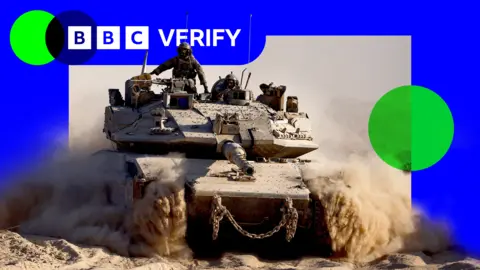
Israel's military operations in Gaza, which have resulted in excessive civilian casualties and significant infrastructure damage, are under intense scrutiny regarding their proportionality. Following a devastating attack by Hamas on October 7, 2023, Israel asserted its right to self-defense. However, numerous experts challenge the legitimacy of Israel's actions as they examine whether the civilian backlash is proportionate to the military objectives being pursued. This ongoing discussion raises critical questions about international law, humanitarian obligations, and the future of the conflict.
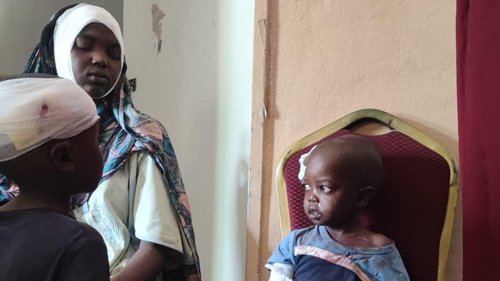
Israel's military operation in Gaza has killed tens of thousands of people, destroyed thousands of buildings, and severely restricted the supply of food.
The operation was launched after Hamas rampaged through villages, military posts and a music festival in Israel on October 7, 2023, killing about 1,200 people and taking 251 others hostage. The United Nations' (UN) human rights body would later conclude that Hamas had committed war crimes and crimes against humanity.
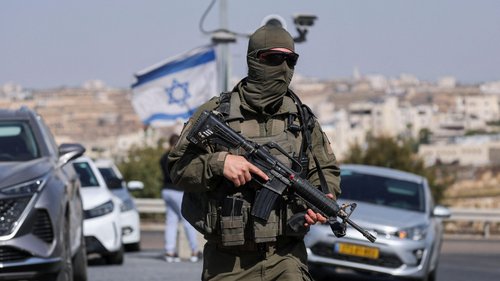
Prime Minister Benjamin Netanyahu stated that like every country, Israel has an inherent right to defend itself. He argues this military action in Gaza is a just war with the aims of dismantling Hamas and recovering hostages. In January 2024, he affirmed that Israel's commitment to international law is unwavering, a stance now facing increasing scrutiny.
Leading human rights organizations and some governments accuse Israel of ethnic cleansing and acts of genocide, claims that Netanyahu vehemently denies.
A crucial aspect of evaluating the conflict under international law is the principle of proportionality, defined by the International Committee of the Red Cross as ensuring that the effects of the means and methods of warfare used must not be disproportionate to the military advantage sought. BBC Verify has consulted various international law experts about their perspectives regarding the proportionality of Israel's military actions in Gaza.
A significant majority of these experts agree, with varying degrees of certainty, that Israel's actions do not adhere to the proportionality principle. Some cite the overall military conduct, while others focus on recent events. Professor Janina Dill from the University of Oxford expressed skepticism about Israel's military approach, stating it seems inconsistent with proportionality. Others echoed similar sentiments, highlighting the potentially high number of civilian casualties that could not satisfactorily justify the military advantages claimed.
International law is characterized by treaties signed by most countries, outlining permissible conduct in warfare, including the UN Charter and Geneva Conventions. However, the interpretation and enforcement of these laws are complex and often contested.
In assessing the right of self-defense, the legality hinges upon whether actions taken are proportionate to the threat faced. With expert opinions diverging, particularly concerning Hamas's attacks, the ultimate question remains: are Israel's military operations justified under the framework of international humanitarian law?
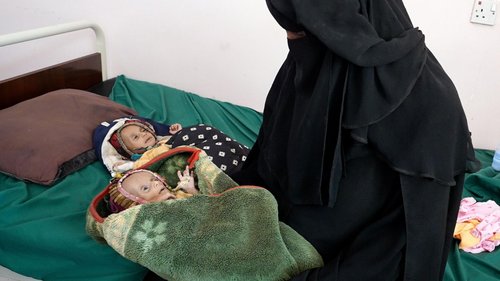
The devastating humanitarian situation in Gaza - with reports from the Hamas-run Ministry of Health indicating over 64,500 casualties, including a substantial number of women and children - amplifies the urgent need for examination of the ongoing conflict's legality and the question of proportionality. The international community, UN officials, and human rights advocates continue to call for critical inquiries into Israel's military operations, revealing an ongoing narrative of destruction that defies simple resolution.