In brief
In a Paris courtroom, fourteen men accused of orchestrating the deadliest English Channel small‑boat crossing get a three‑week hearing. The 2021 disaster, when a motorised dinghy deflated and drowned 30+ migrants from Iraq, Somalia, Ethiopia, Egypt and Afghanistan, has spanned into a complex legal, humanitarian and investigative saga. While the accused deny full responsibility, the trial seeks to hold accountable the network that trafficked refugees on a vessel ill‑fit for sea.
In a Paris courtroom this week, fourteen men—most of them Afghan nationals—stand accused of manslaughter and facilitating illegal immigration in connection with the catastrophic November 2021 small‑boat crossing that saw more than thirty people drown in the English Channel.
The 2021 Catastrophe
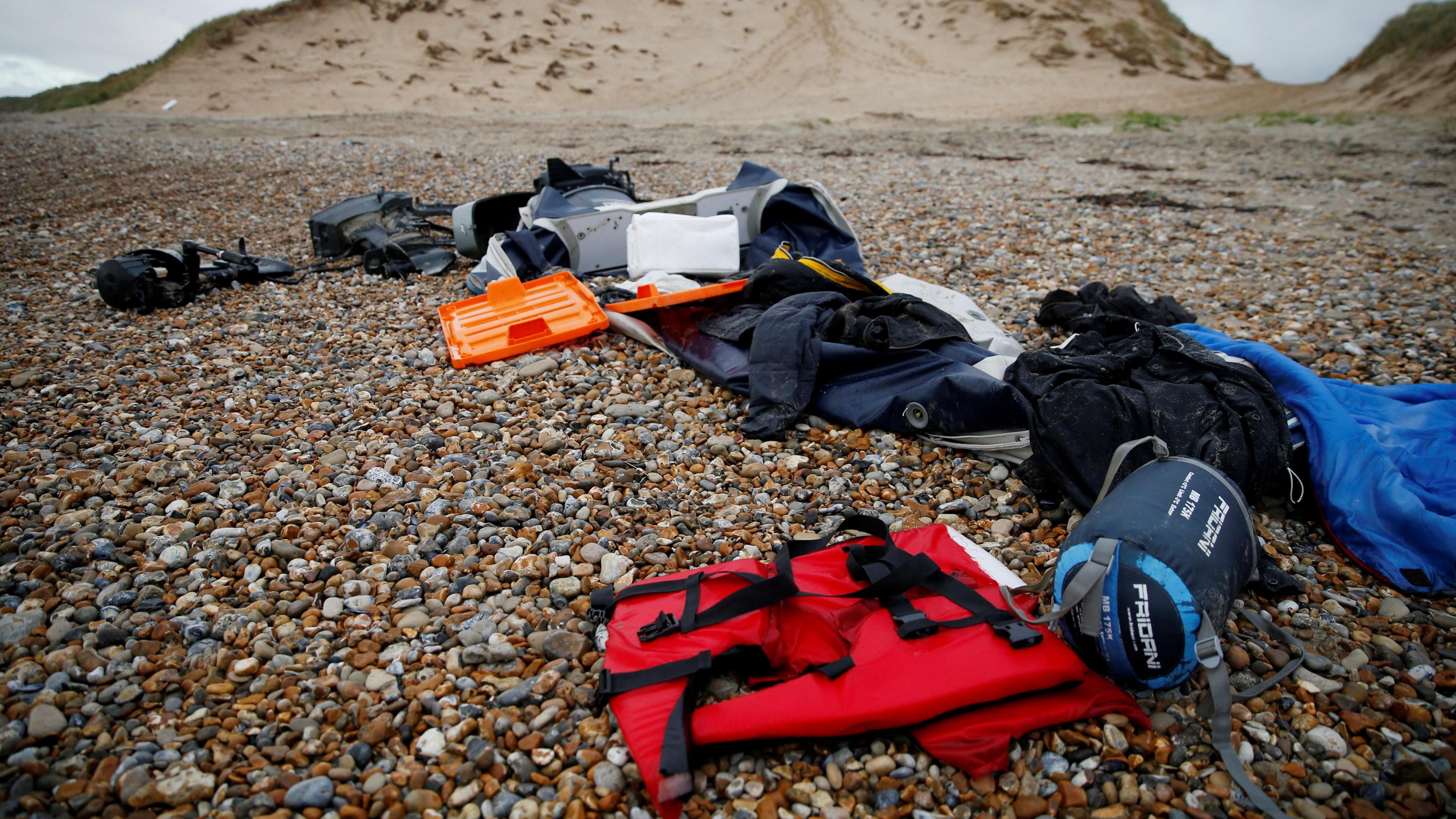
The ill‑fated voyage began from the French coast on 23 November 2021. A motorised dinghy, described by the charge sheet as “poor quality, overloaded and equipped with inadequate life‑jackets”, deflated midway across the Channel. Those aboard, including Iraqi Kurds, Somalis, Ethiopians, Egyptians and Afghans, were forced to abandon the vessel. One by one they slipped into the cold Atlantic waters, with only two men surviving. Total casualties reached at least 30, with twenty‑seven bodies recovered and four people missing.
Trial Dynamics
Defendants are accused of organising the trip—lodging migrants, supplying the boat and handling funds—yet many insist they were themselves migrants and acted only under the direction of higher‑level operators. Two alleged leaders remain on the run and are being tried in absentia. The hearing, expected to last three weeks, has brought families of the victims into the courtroom; some stayed in Paris for the proceedings.
Voices of the Victims’ Families
“Once again [the smugglers displayed] total cynicism. Migrants are not sailors,” said Emmanuel Daoud, a lawyer for many relatives.
“The smugglers know perfectly well what they are doing. They take the deliberate, conscious risk of sending migrants to their deaths.”
Investigations into Rescue Failures
The tragedy prompted inquiries on both sides of the Channel. In France, seven maritime rescue personnel—including navy and coastguard staff—are under judicial review for allegedly failing to assist when the dinghy signalled distress. A French judge will decide whether to bring them to trial. A UK inquiry highlighted that the Dover Coastguard was hampered by chronic staff shortages and limited resources, and that a surveillance aircraft was not launched because of weather. The report also noted a prevailing belief that migrants exaggerate distress, leading to underestimation of emergencies.
Source: BBC News (15 Feb 2024) – This article is a development snapshot for PulseWire.